
Prep lilacs, bulbs for next season

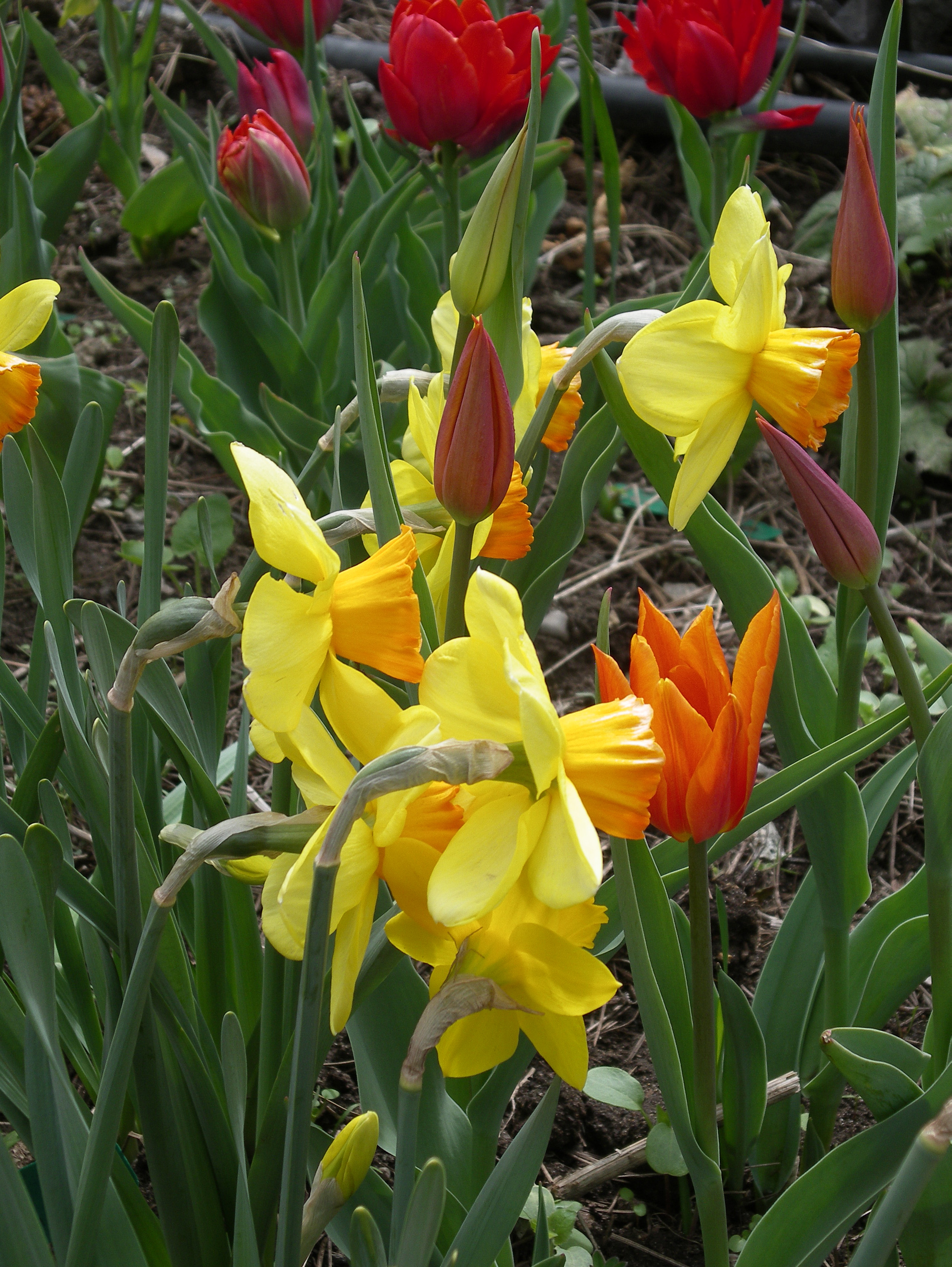
The advantage of our cool spring was that the bulb and lilac displays seemed to go on and on. The yellows, reds, pinks, blues and purples of the daffodils, tulips and hyacinths and the sweet scent of the lilacs was a welcome relief after the long winter.
Now that they are finishing up their show, what can and should you do with them?
Spring bulbs
For bulbs, let them rest and rebuild their reserves. Remove the spent flower heads and leave all the foliage on the plants. Spring blooming bulbs use energy stored in their fleshy root during the previous summer to send out both blooms and leaves in the early spring and must now store up more. By early July, the foliage will have had enough time to store food for next year and will naturally die down.
It is then easily pulled away from the bulb. Granted, the green foliage isn’t the prettiest plant in the garden but it is essential to leave it. Resist the urge to bundle the leaves together in a clump to tidy them up as this reduces the leaf area exposed to the sun. Instead, plant other plants in front of the clumps to hide them.
Don’t dig or move bulbs now. Digging them now interrupts the food storage process and usually results in weakening the plants to the point they won’t reappear next spring. Again be patient and dig them in late August after they have had a rest and replant them where you want them.
If you haven’t fertilized the bulbs by now, top-dress the soil with a low-nitrogen bulb food or balanced fertilizer like a 5-10-10. It will work its way down to the roots as the plant stores food. Once the foliage has dried, the bulbs won’t need to be watered unless we get a really hot, dry spell when a good soaking every couple weeks will keep a little moisture in the ground.
Lilacs
If you have lilacs, now is the time to deadhead them and trim them back. Once the flowers finish and fade, the lilac will grow and set new flower buds for next spring. If you deadhead and trim them much after the middle of June, you stand a good chance of cutting off the new buds that will be next year’s flowers. Snip off the spent flower at its base being careful not to damage the new green buds that will be emerging nearby.
If you have older lilac shrubs that are getting tall or that the flowers are all at the top of the shrub, now is the time to bring them down to size. Identify the largest and thus oldest stems on the plant and remove a third of them to the ground. Next year, remove the second third and the third year the last third. Over the three years you will have rejuvenated the entire plant and brought the flowers down to a level you can enjoy them.