
Ailing program needs a lifeline

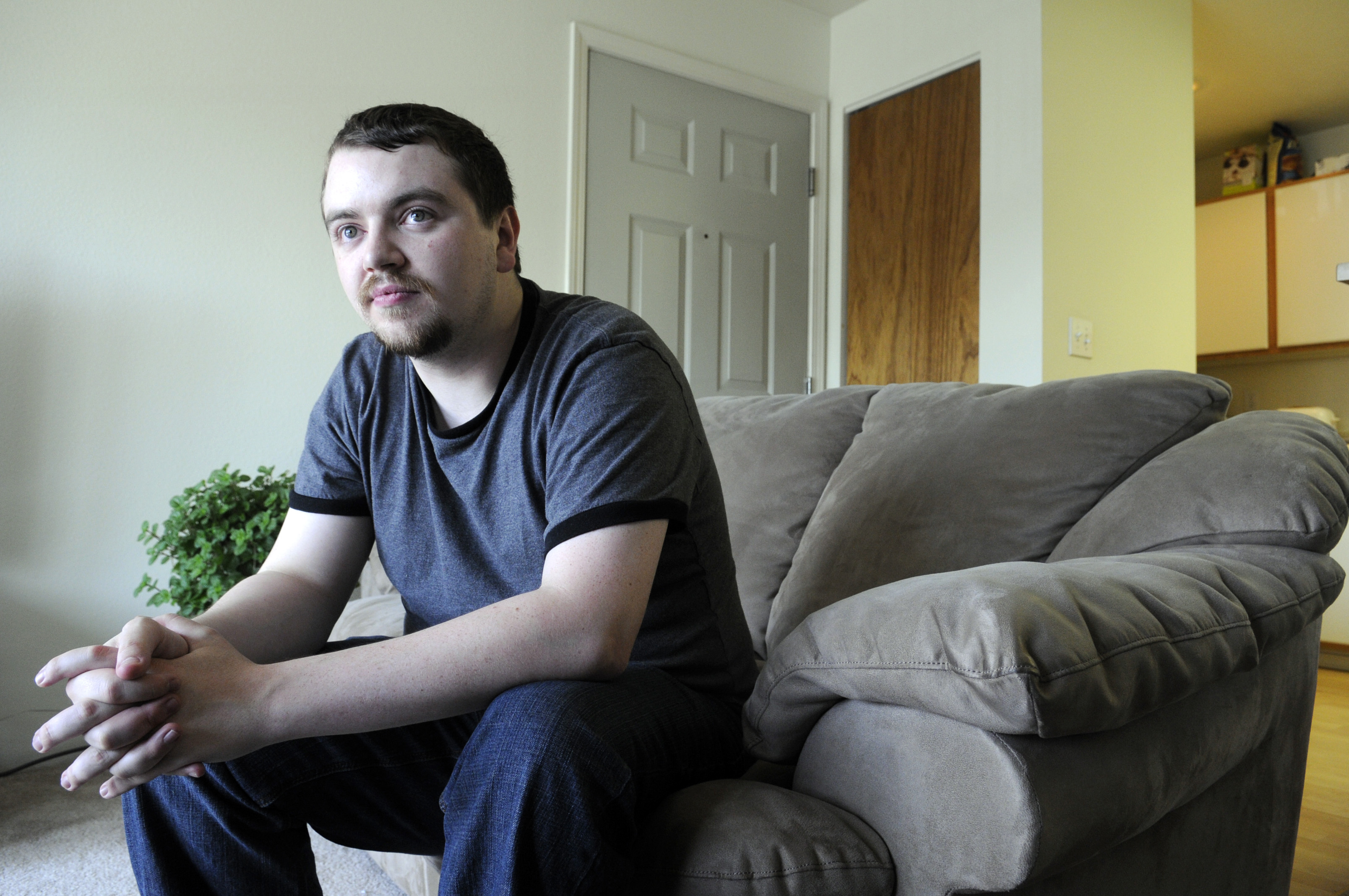
Beau Mellem stared in disbelief at the invoice detailing his medical care costs. Line by line the charges of his two heart surgeries and seven-week intensive care unit stay added up to $893,000. That’s more money than he expects to ever earn.
And then Mellem smiled at the balance due: $0.
He pins his good fortune to Project Access, a nonprofit service in Spokane that connects uninsured people to a network of doctors, clinics and hospitals.
Since its start in October 2003, Project Access has helped orchestrate more than $17.7 million in free medical care and $282,000 in prescription drugs.
And yet this year the program lost funding from Spokane County and the city of Spokane.
John Driscoll, executive director of Project Access, said the city and county remain supportive, but money is tight and local governments have other pressing needs.
To make up about $120,000 in lost funding, Driscoll said the Inland Northwest Community Foundation awarded a grant and the federal government is adding $95,000 from the stimulus package.
The new money is a one-year fix, Driscoll said. He hopes to find other funding, including money from the new charitable foundation established with the roughly $70 million in proceeds from the sale of Deaconess Medical Center and Valley Hospital and Medical Center.
Project Access also will submit a grant proposal to Spokane County’s new Health Sciences & Services Authority. The health authority has captured about $1 million in local sales tax dollars otherwise destined for state government spending and intends to solicit grant proposals.
The nonprofit has received about a third of its $550,000 budget from local governments, another third from health care companies including the big insurers and hospitals, and the rest from outside grants, private donations and corporate gifts.
The problem of uninsured patients keeps mounting.
About 1 in 5 people, or 876,000 Washington residents, do not have health insurance, according to Insurance Commissioner Mike Kreidler. The number of uninsured has climbed 21 percent in the past year, driven by job losses and families dropping coverage to pay other bills.
The scenario stands to worsen as budget cuts take effect.
It’s a plight that worries Mellem.
He lived for 23 years with a defective heart. He has a stack of 30 letters from insurers, including the state, rejecting coverage, citing his pre-existing condition.
No one would help him pay for surgery that would improve and extend his life.
“It wasn’t like I was going for a tummy tuck or a nose job,” he said. “I was trying to make my life livable.”
Now that cardiac surgeons at Sacred Heart Medical Center corrected his congenital heart defect and Mellem walked away without owing a cent, he calls himself a poster boy for Project Access.
He was so thankful, he offered what little he could do for Project Access founder Dr. Samuel Selinger.
“I told him I would mow his lawn for free, for life,” Mellem said.
Today Mellem is 28 years old, lives a regular life with an artificial heart valve and pacemaker, and holds a steady job at the Boeing Employees Credit Union.
“The best part about my new job,” Mellem said, “I have insurance.”