
Nuclear authority changes hands
Pakistan president cedes power in political scuffle
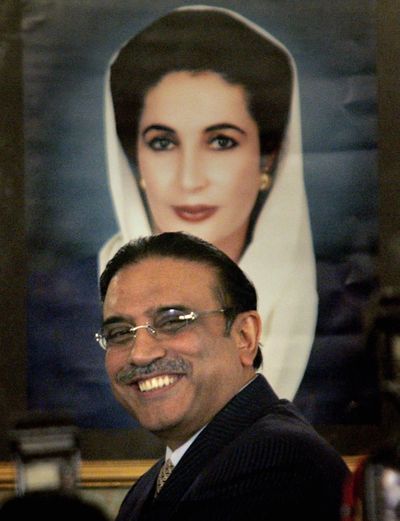
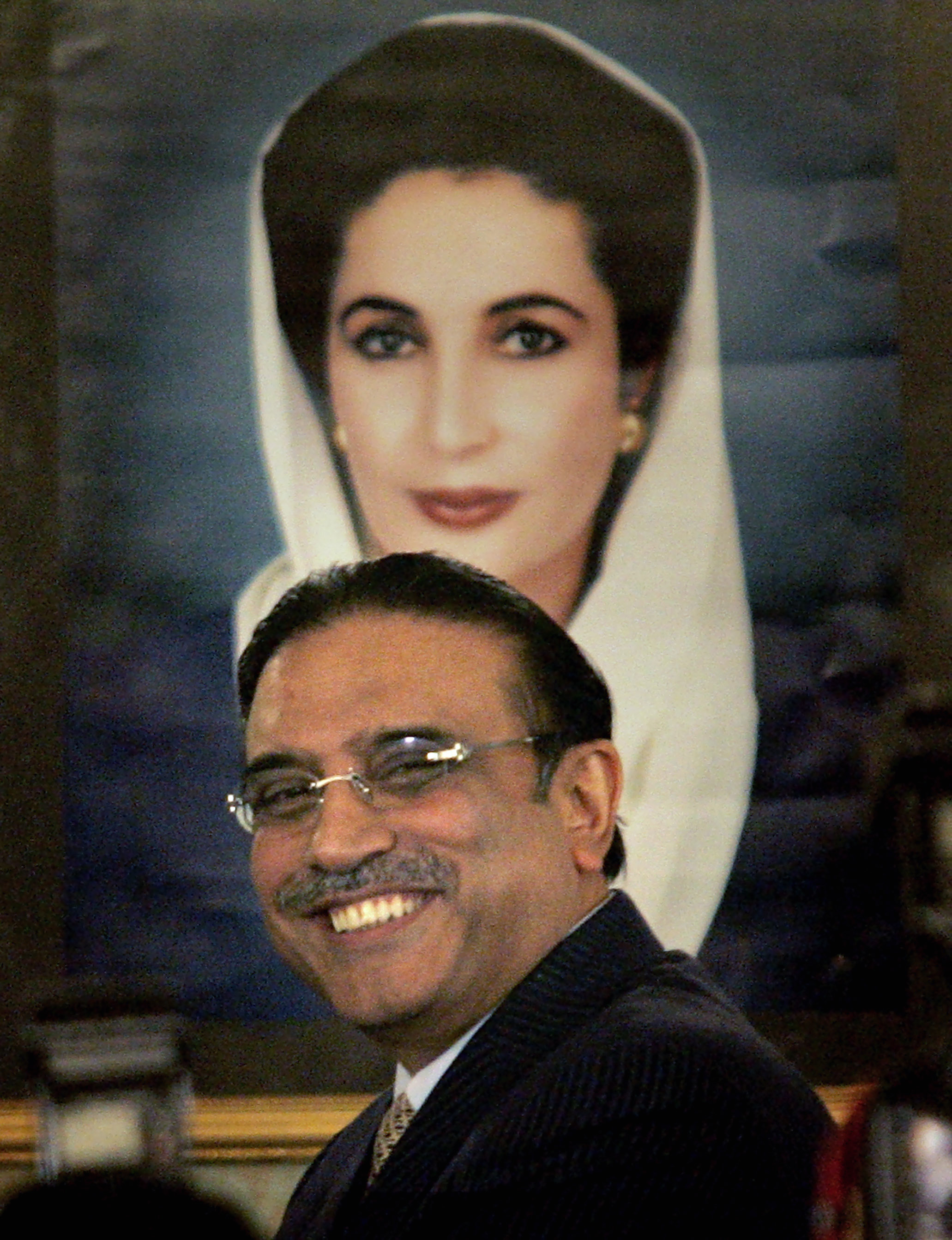
ISLAMABAD, Pakistan – Pakistan’s president relinquished command of its nuclear arsenal to the prime minister, a political ally, and signaled he was ready to shed more power as he faces growing pressure to resign.
The move came as an amnesty protecting President Asif Ali Zardari and thousands of others from graft charges expired Saturday, risking political turmoil that could distract the U.S.-allied nation from its fight against the Taliban and other militants near the Afghan border.
The political opposition called on Zardari to step down.
Zardari, 54, is languishing in opinion polls. He has long been haunted by corruption allegations, dating back to the governments of his late wife, Benazir Bhutto. He denies the allegations that he took kickbacks, which saddled him with the nickname, “Mr. 10 Percent.”
He also has found himself locked in a power struggle with the military, which has objected to his overtures toward rival nuclear neighbor India and acceptance of a multibillion-dollar U.S. aid bill that came with conditions some fear impose controls over the army.
Zardari’s office said the decision to transfer control of the National Command Authority to Prime Minister Yousuf Raza Gilani was a step toward ceding sweeping presidential powers that had been adopted by Zardari’s predecessor, Gen. Pervez Musharraf. The authority comprises a group of top military and political leaders who would make any decision to deploy nuclear weapons.
Analysts said the transfer of authority signaled Zardari’s willingness to divest powers as part of a compromise that would enable him to keep his job.
“It appears to be a self-defense and survival strategy,” said Rasool Bakhsh Rais, a political science professor at Lahore University of Management Science.
In an interview Friday with Express News TV, Zardari said he was also likely to give away authority he inherited from Musharraf to dissolve parliament and appoint services chiefs by the end of this year. Doing that would weaken him politically and reduce the president to a more ceremonial role, but it could reduce some of the pressures on him to step down.