
Economy tops list of concerns in U.K. elections
Brown touts his embattled party
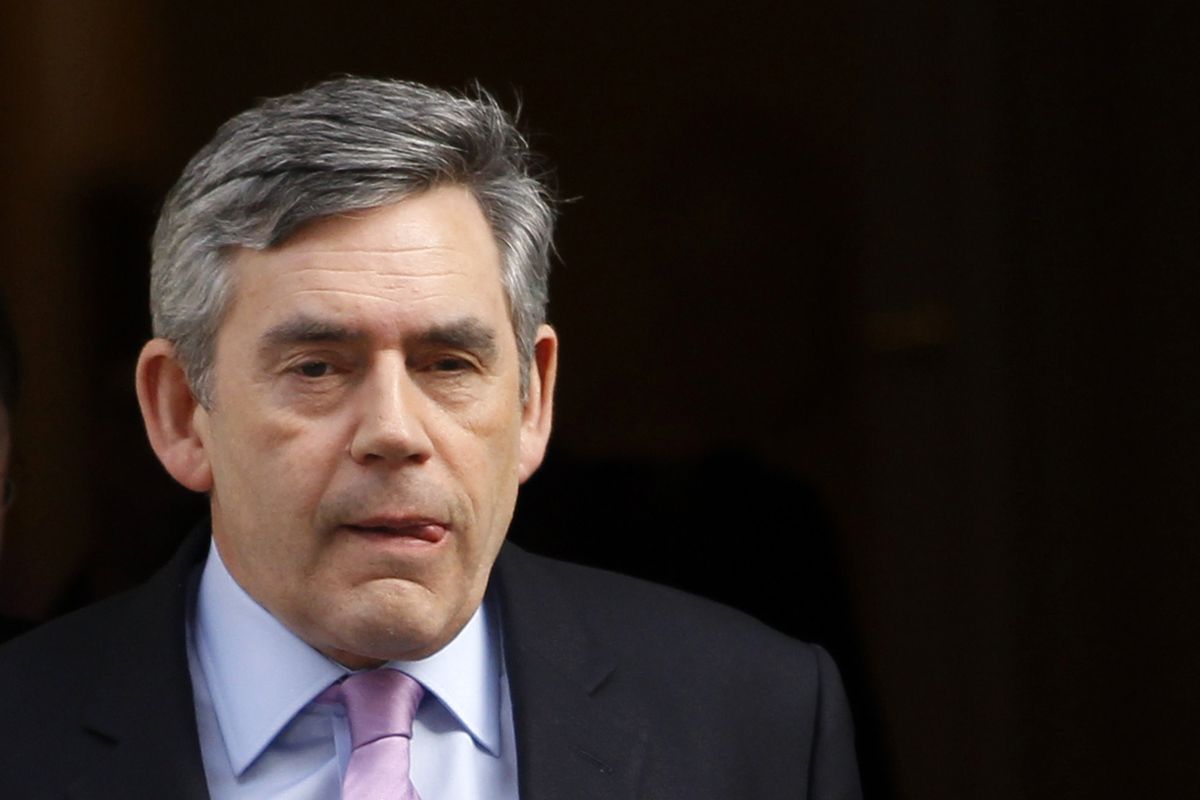
LONDON – Britain’s worst-kept secret was officially let out of the bag Tuesday when Prime Minister Gordon Brown announced that much-anticipated national elections would take place May 6.
The race is shaping up as the tightest in 18 years, and its outcome could be a rare “hung parliament,” where no party commands a decisive-enough majority to form a government. Polls consistently show the opposition Conservatives leading Brown’s ruling Labour Party, but the gap has narrowed significantly in recent months, making the contest too close to call.
Both parties, expecting the May 6 poll date, have already kicked into high campaign gear. So have the Liberal Democrats, a smaller grouping that could play kingmaker if a coalition government proves necessary.
With the nation barely out of recession, unemployment at its highest in years and the government’s budget deficit on the rise, the economy has emerged as the No. 1 election issue here. But Britain’s would-be leaders also face an angry electorate fed up with politics as usual, disgusted by a scandal involving members of Parliament who claimed items such as horse manure (for gardening) and moat-clearing as expenses on the public dime.
Much of the voter ire is directed at members of Brown’s Labour Party, who have been in power for 13 years. The Conservatives are hoping to capitalize on a mood of exhaustion with Labour, under whose rule the nation became bogged down in two wars, in Afghanistan and Iraq, and the worst recession since World War II.
“It’s the most important general election for a generation. And it comes down to this: You don’t have to put up with another five years of Gordon Brown,” the Conservative leader, David Cameron, told cheering supporters Tuesday morning, in a rally not far from Parliament. “You’re voting for the fresh start this country – our country – so badly needs.”
Telegenic and articulate, Cameron, 43, would be Britain’s youngest prime minister in nearly 200 years if his party captures a majority in the House of Commons.
Following established protocol, Brown first paid a 20-minute visit to the queen, who choppered in to Buckingham Palace to receive him, and he formally requested permission to dissolve Parliament.
Then, outside the prime minister’s residence at 10 Downing St., Brown declared that the economy would be safest under Labour’s stewardship. The party contends that spending cuts promised by the Conservatives to reduce the deficit would strangle Britain’s fragile recovery from recession.
“Britain is on the road to recovery, and nothing we do should put that recovery at risk,” Brown said.