
North Idaho Fair searching for Green practitioners
Aug. 6 deadline to enter best compost contest
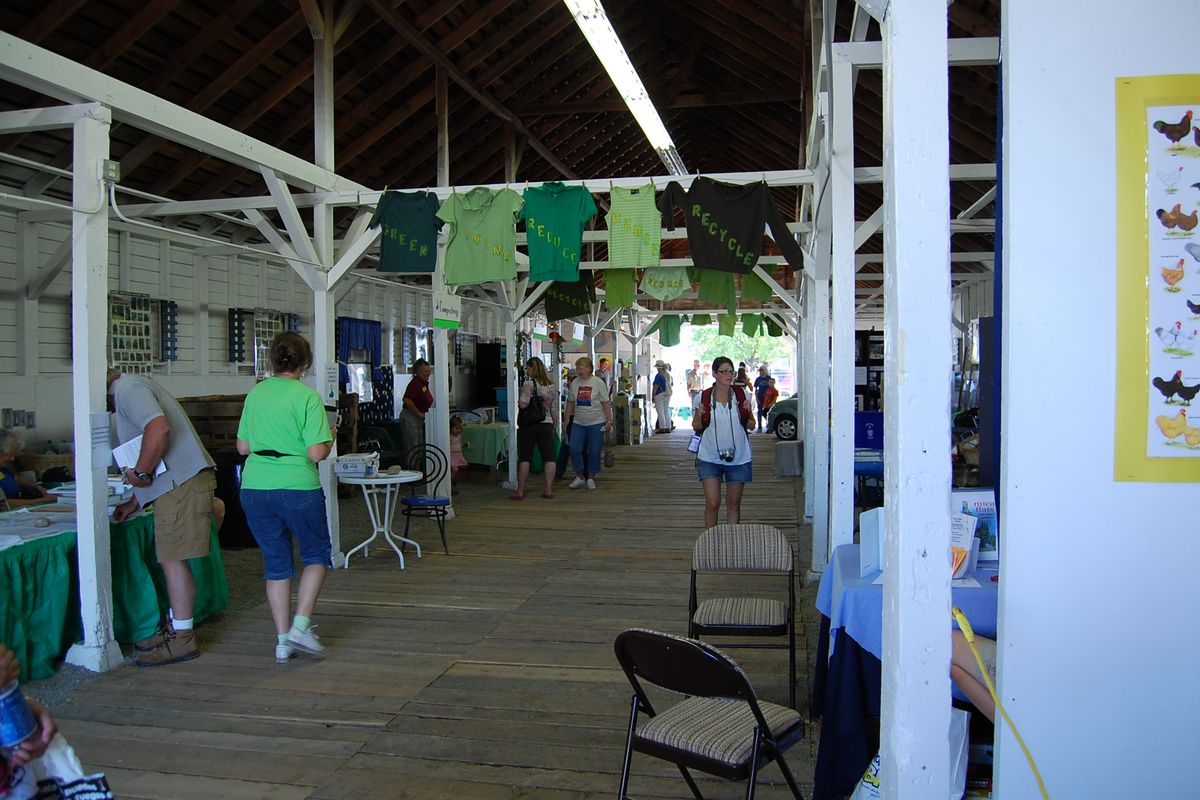
Some call it black gold, but it’s more commonly known as compost.
The most refined of organic matter, compost contains a lot of humus—the beneficial, soil-improving material that helps plants grow and produce. Whether the source is grass clippings or fruit or vegetable scraps from your kitchen, all organic matter eventually becomes compost.
If your family is composting or living a greener lifestyle, Sara Schmelzer, Going Green department coordinator for the North Idaho Fair, is urging people to share their stories by entering the fair’s new division, “Going Green.”
“We want to encourage people to think about the benefits of recycling instead of accumulating waste, and live a more earth-friendly lifestyle,” she said.
This effort includes two new Green-themed categories this year: “Home Compost” and “How We Make An Impact At Home.” The annual event runs Aug. 25-29 at the Kootenai County Fairgrounds in Coeur d’Alene.
The “Home Compost” entry requires a competitor to bring approximately four cups of finished compost in a one quart glass jar to Building 10 on the Kootenai County Fairgrounds August 16-17.
It is necessary to also include a photo of the compost bin and a brief description of the composting techniques used. For example, was a backyard bin, compost pile, or worm composting used? A competitor also needs to explain how the finished sample was collected and processed.
Compost entries will be judged for completeness of composting, organic content, and suitability for growing plants.
According to fair compost judge Connie Fry, “Compost is finished when it becomes dark, loose, and crumbly.”
If you are wondering how a few banana peels or lettuce leaves can increase the amount of greenhouse gases released into the atmosphere, Schmelzer says it is all about the type of bacteria that consume food waste in an oxygen-free environment. The anaerobic bacteria at work in landfills release huge amounts of methane gas as they decompose food scraps.
“Composting, regardless of where you live, is easy, fun, and reduces our carbon footprint,” says Schmelzer.
The second category is “How We Make An Impact At Home.” An entry in this category requires a series of three related photographs that illustrate what is being done or what has been done at the home to go green, cut utility costs, and become more self-sustaining.
Some examples might be composting kitchen scraps, creating a home recycling center, adjusting the thermostat, and planting a vegetable garden. Fair directions stipulate that the entry must be arranged as shown in the graphics and the story must be limited to 100 words and typewritten or printed.
Schmelzer said because of the special nature of these contests, all entries in this department must be pre-registered using an entry form that can be found online at www.northidahofair.com. Click on fair information and then exhibitor’s handbook.
The pre-entry form has to be received in the fair office by 5 p.m. on Friday, August 6—this must be done before the compost entry is brought to the fairgrounds, stresses Schmelzer.
Besides the Going Green department, several other fair departments have new sections in the fair’s exhibitor handbook for entries that have been created using recycled materials. For example, the sewing, knitting, crocheting, quilts, general crafts, children’s crafts and industrial crafts departments all have entries that show what can be done with old or used materials that would otherwise be discarded.
In the future, Schmelzer and her committee plan to work closely with fair attendees and vendors to provide more connections with green, recycling and education. Besides Schmelzer and Fair Director Chris Holloway, Justin McLane from The Solar Stone, Merle Van Houten, Kim Shaner, Ryan Heglie, Lorna Wasson, Sherry Robison, and Jack Evensizer all serve on the all volunteer committee.
Schmelzer, a North Idaho College admission recruitment specialist, was raised on a family farm and has fond memories of attending the fair while growing up. She was recruited to help develop the fair’s sustainable efforts about three years ago by Holloway. Schmelzer was anxious to be more involved in the community and quickly signed up as a volunteer.
“We have just begun to educate our community about the simple steps they can take in their daily lives to have an impact on the quality of life for generations to come,” says Schmelzer.