
World Cup boosts soccer interest
American viewers had chance to watch higher caliber play than they see in U.S.
Americans love to crown world champions in football and basketball, and we’ve even dubbed our professional baseball championships “The World Series,” but there is just one game that makes the world stop whatever it’s doing for a month and turn its collective attention in the same direction.
We call it soccer. The rest of the world calls it football, and for the past month the world stopped and turned its attention to South Africa, where Spain needed extra time to defeat the Netherlands to claim the World Cup, the championship trophy of the Fédération Internationale de Football Association.
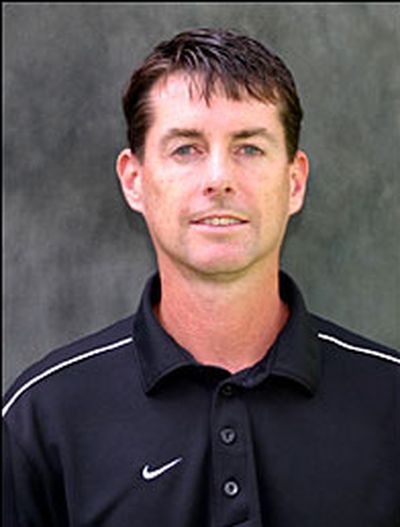
That’s been a good thing, Whitworth University men’s soccer coach insists.
Sean Bushéy not only coaches the Pirates – leading them to five Northwest Conference championships in the past six seasons and a 182-80-31 record during his 15 seasons as head coach – he doubles as technical director for the Spokane Shadow Youth Soccer Club.
“It’s a great thing for kids to be exposed to that level of play,” he said. “We have professional soccer in this country, but it’s still not on par with the level of play you see in the World Cup. It’s good for kids to see that kind of competition and for them to aspire to play at that level.”
That, in a nutshell, is what needs to happen to soccer in the United States, he said. And Bushéy isn’t alone in that opinion.
In its pre-World Cup issue, Sports Illustrated bemoaned the lack of inspiration in the way the game is coached in this country while hailing forward Clint Dempsey, who grew up playing Mexican-style soccer in Texas, for his willingness to improvise and create plays. That ability to create opportunities when none are apparent, the magazine suggests, is a quality lacking in players produced by most U.S. programs.
In other words, it’s time for soccer in the United States to step up from playing the scales and learn to improvise. Instead of playing marches, it’s time to embrace improvisational jazz.
The professional game in this country, Bushéy says, doesn’t compare to that in, say England. The Football Association, home to such world-renowned sides as Manchester United, Chelsea and Arsenal, plays at consistently higher level than does the New York Red Bulls, who just signed superstar Theirry Henry, the Los Angeles Galaxy, led by U.S. standout Landon Donovan, and FC Seattle Sounders, who reached the playoffs in their first season a year ago. Same with leagues throughout Europe, particularly France, Italy and Spain.
“We don’t see a lot of this level of soccer in this country,” Bushéy said. “I hope it’s a good sign that ESPN went all-in on the World Cup and had it pay off the way it did. They had great ratings – I hope that leads to more high-quality soccer on television.”
ESPN ratings were up 60 percent for the just-completed World Cup over the tournament in 2006, and nearly 15 million viewers watched the United States fall to Ghana, 2-1, in its second-round game – putting its television ratings on a par with a game in the NBA Finals. Add in Spanish-language broadcasts and Internet viewing and that total jumps to close 20 million viewers, easily making it the most-watched soccer game in U.S. history.
What’s more, Bushéy said, the time difference made World Cup viewing especially available to youngsters.
“With the games on in the morning the way they were, kids could really get into them,” he said. “We were in the middle of running our summer camps when the tournament started. It was so cool to go out for a session and listen to them talking about a particular goal someone scored or a call that was made in a game. It was great to see them trying to do things they’d seen someone do in a game.”
Youth soccer programs got a huge boost from the 1994 World Cup, which played in venues across the United States. That’s led to huge numbers in youth programs, Bushéy said, and as those players have grown up, they’ve continued to be interested, even passionate, about the game.
“I think we’ll see another bump in numbers this time, too,” he said. “We’ll see when registration time comes around again.”
Speculation is that several players from this year’s U.S. team will be offered contracts to play in Europe once that season begins this fall. Donovan’s name has been mentioned on a number of websites, as has Dempsey’s and Jozy Altidore. The hope there is that, with these players, more attention in this country will be paid to the European game.
The more exposure those leagues get to U.S. audiences, the better, Bushéy said.
Meanwhile, he’s turned his attention to his Whitworth men’s team, which opens fall camp in mid-August and starts its 2010 season on the Sunday before Labor Day.
“I sometimes wish July was a month with 60 days in it,” he laughs. “There’s a lot to get done and the first practice is going to be here before we know it.”