
Slovakia moves to the right
Opposition parties in position for coalition
BRATISLAVA, Slovakia – The center-right opposition has won a parliamentary election in Slovakia, nearly complete results showed today.
The Statistics Office said the governing left-leaning party of Prime Minister Robert Fico was the clear overall winner with 35.1 percent of the vote, or 63 seats in the 150-seat Parliament with votes from 5,757 of the 5,929 polling stations counted early today.
But three opposition parties could form a ruling coalition with an ethnic Hungarian party with a majority of 78 seats.
Fico’s junior coalition partner, the ultranationalist Slovak National Party of Jan Slota, received 5.1 percent or nine seats.
Another coalition member, the party of former authoritarian Premier Vladimir Meciar, was below the 5 percent threshold needed to win parliamentary representation, marking a possible end for a political career of a former leader who led Slovakia into isolation in the 1990s.
The result is a blow for Fico, who has promised to maintain the welfare state in contrast to the budget-cutting being implemented in several other European countries.
The major opposition Slovak Democratic and Christian Union, whose free-market reforms earned the country NATO and EU membership, was second with 15.2 percent, or 27 seats.
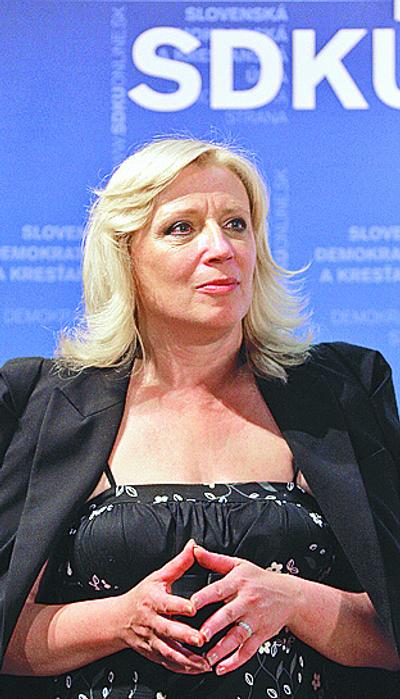
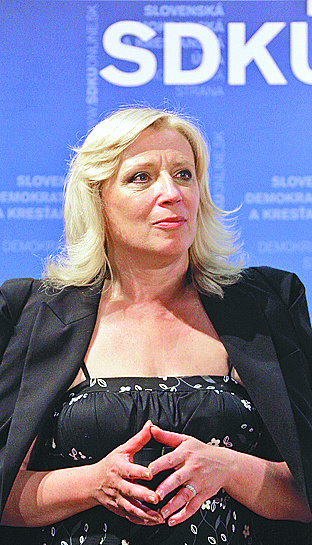
Iveta Radicova, its election leader, said first informal talks with the other three parties on forming a center-right coalition would start later today. If they succeed, she has a chance to become the first woman in the post of prime minister.
“The citizens of Slovakia have voted for responsibility,” Radicova said.
The opposition pledged to improve the business environment, create new jobs, reduce the deficit and fight corruption.
Despite the country’s ballooning budget deficit, the campaign was dominated by debate over a new Hungarian citizenship law, not the economy.
Slota, who is known for derogatory comments about Hungarians and other Slovak leaders, condemned last month’s move by Hungary to make it easier for ethnic Hungarians in neighboring countries, including 520,000 in Slovakia, to acquire Hungarian citizenship.
Calling dual citizenship a security risk, Slovakia responded with a law allowing authorities to strip Slovak citizenship from those who become Hungarian citizens.