
Explore Eco-Friendly Pest Control
Insects are simply a part of life that cannot be avoided. Most bugs that cross our paths are not harmful, just a nuisance. Ridding living spaces of insects without the need for harsh sprays and other chemicals is possible.
* Remove food sources. The first step to keeping homes and outdoor living areas free from nuisance insects is to remove their sources of food. Ants, for example, are naturally attracted to sweet foods, crumbs and water sources. Roaches will feed on similar items and are generally scavengers for tasty tidbits.
Keeping a clean kitchen and bathroom is essential. Use soap and water to clean countertops and floors frequently. Vacuum crumbs and dispose of trash promptly. Rid sinks of standing water and take care of leaky or dripping faucets.
* Eliminate the comfort factor. Some bugs are attracted to particular living conditions. Some like damp, dark corners, while others may like dry, hot areas. Learning about the habits and preferences of pests found in the home can help keep them out over the long haul. For example, silverfish like damp conditions. Remove the dampness with a dehumidifer and the silverfish might just disappear as well.
* Choose natural repellents. Many all-natural products can be used as bug repellents. Diatomaceous earth (a product generally used in pool filters) is generally safe to humans, but serves as a descicant to insects. It cuts through the exoskeleton and dries out the insect. Boric acid can also be used. Insects carry back the powder and die on consumption.
Other bugs, like fleas, are repelled by citrus. Lemon oil used on dogs may keep fleas away. Bay leaves, cloves, mint and eucalyptus can repel flies. Keep sachets of these herbs around windows and pet food.
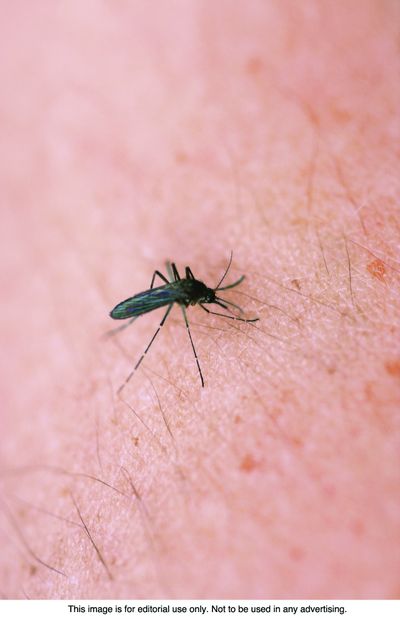
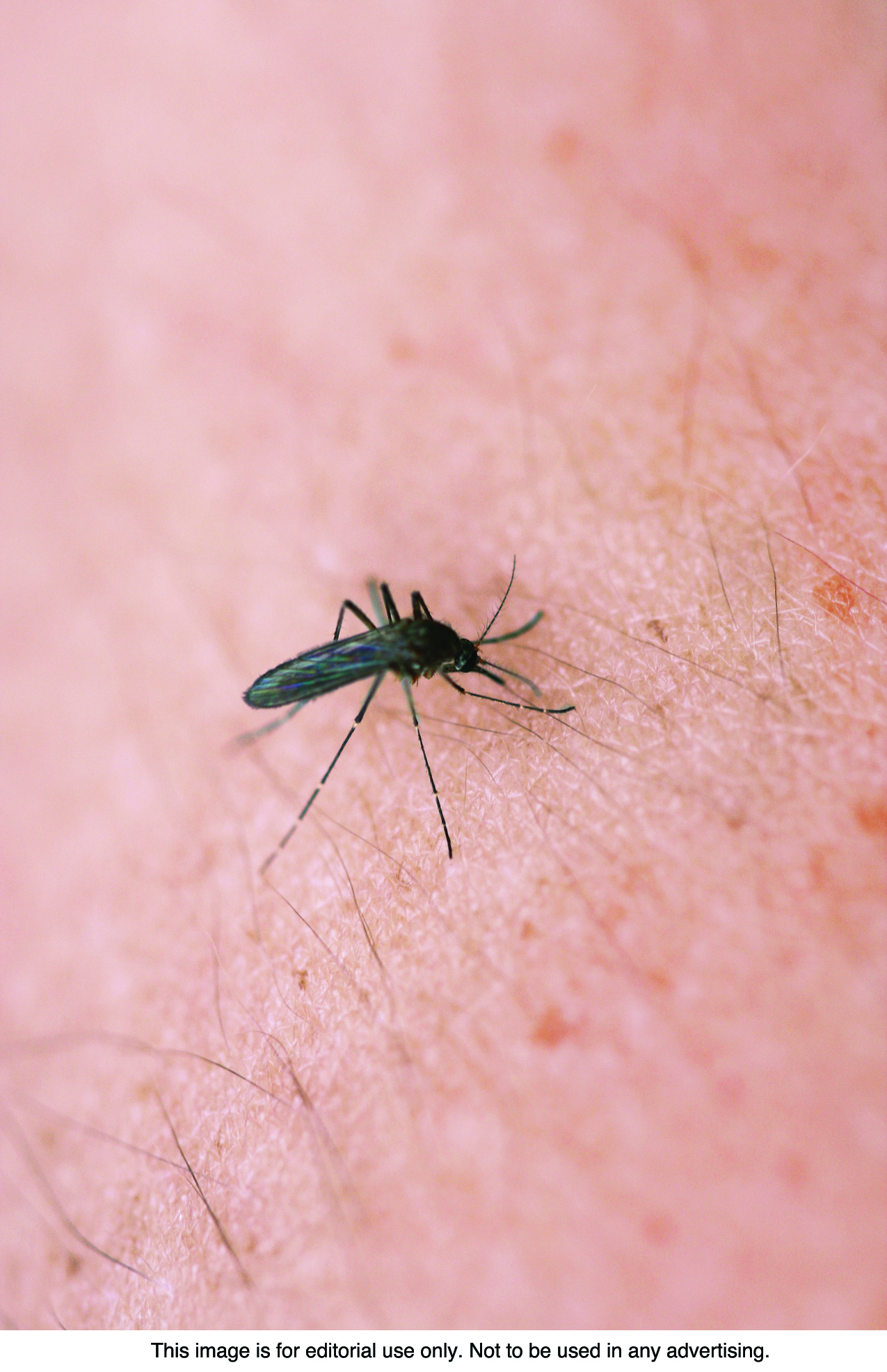
* Get rid of breeding grounds. Mosquitoes are common pests and have the potential to be dangerous because they can transmit diseases. Mosquitoes lay their eggs in standing, stagnant water. Be sure to empty any containers outside of water after it rains to reduce the chance for mosquitoes to populate.
* Consider additional and less harmful preventive measures. Snails and slugs can damage gardens. Chalk can work for homeowners who don’t want to harm the creatures with salt or other torturous methods. Slugs will not cross a thick line of chalk. Sandpaper also serves as a deterrent when laid around plants.
Many people find gophers and moles around the yard. Gophers are rodents and eat the roots of plants. Moles are mammals and will eat insects, making them potentially valuable, if uninvited, guests. Gophers can be chased away using fabric softener sheets placed in burrows. Cat litter might also be effective, as the rodents are frightened by cats.