
Help Save the Environment Without Being an Eco Super Hero
When it comes to going green, the effort can never stop. In order to get the planet back on the right track, an emphasis must continue to be placed on adopting and promoting lifestyles that are healthy to the environment.
Though many people might not know it, Americans have already made great strides with respect to protecting the environment. For instance, the Environmental Protection Agency notes that Americans have reduced toxic releases by 50 million tons since 1970. And while some people lament the sight of sport utility vehicles and other notorious gas guzzlers, today’s cars are actually far more eco-friendly than those of yesteryear. In fact, it would take 20 of today’s model automobiles to release the same number of emissions as a single model from the 1960s.
And it’s not only our vehicles that have improved during that time. EPA statistics indicate lead emissions have reduced by 217,000 tons per year while particulate matter emissions have reduced by nine million tons per year.
While Americans and their lawmakers have made great strides with respect to protecting the environment, there’s still work to be done. And individuals don’t have to work in government or thump the environmentalist platform to make a difference. In fact, average folks can make several slight, yet productive alterations to their daily routines and rest assured that such changes are making a big difference.
* Lights out! With the economy still in flux, many people are looking for ways to save money. Some people might be unaware that it’s possible to save money and benefit the environment by simply turning a few lights off around the house. While keeping a light on can make it easier to navigate the house at night, keep a flashlight on the night stand or in the kitchen and turn those night lights off when not in a room or when going to bed. The monthly utility bill will no doubt take a turn for the more affordable, and the planet will be grateful as well.
* Grow thicker skin. With winter on the horizon, many people are once again readying themselves to crank the heat inside. Unfortunately, doing so isn’t good for air quality, nor is it good for people’s pocketbooks. Whenever possible, choose a warm sweater over a few more ticks up the thermostat. Air quality will improve as a result, and the heating bill won’t be nearly as high.
* Cautiously discard of household cleaners. Pesticides, household paints and every day solvents are composed of chemicals that can prove harmful to the air if not disposed of properly. Obey local laws when it’s time dispose of such household items and make sure each is stored in airtight containers once they have been opened. If confused about proper disposal techniques, consult the local recycling center or visit the EPA Web site at www.epa.gov.
* Take care of your car. Far too many people ignore their vehicle’s maintenance schedule, which ends up costing money in the long run and the environment almost immediately. Cars run more efficiently when they’re well taken care of, and an efficient vehicle uses less fuel. What’s more, a well-maintained vehicle will produce less harmful emissions. Consult the vehicle owner’s manual as to the recommended maintenance schedule and adhere to the manual’s guidelines. The vehicle will last longer and cost significantly less over time and the environment will benefit in myriad of ways.
* Get to the know the handyman. Another way to extend an appliance’s life expectancy while simultaneously protecting the environment is to routinely inspect household appliances and get them fixed at the first sign of a problem. For example, a leaky refrigerator will send harmful gases into the sky while potentially spoiling food if the air inside the refrigerator cannot stay cold enough. If a leak is suspected, call the local repair man at once.
Now that the air conditioners have been retired for the winter, inspect these devices as well. Check the filters to see if they’re dirty. Dirty filters make the unit work harder to cool the room, which leads to significantly more energy consumption. This is an easy and inexpensive inspection or repair. A dirty filter can be cleaned and used time and time again. If the filter needs to be replaced, it’s not a costly item, and the energy savings resulting from the new filter will more than make up for the replacement part.
* Start recycling! If the household doesn’t yet recycle, what’s the holdup? Harmful emissions are produced whenever items like glass bottles, plastics and aluminum cans are produced. When these items are recycled, less of them need to be produced and the environment benefits as a result.
* Get to work, but take a different route. While the gripping headlines might not be as prevalent as they once were, that isn’t because fuel prices still aren’t high. Though more people might have simply accepted the high prices of fuel, there are ways to spend less. Carpool to work if possible, organizing a ride share with fellow office workers who live nearby. If that’s not possible, consider public transportation. In addition to saving money on gas, letting someone else do the driving also has a tendency to save commuters some sanity.
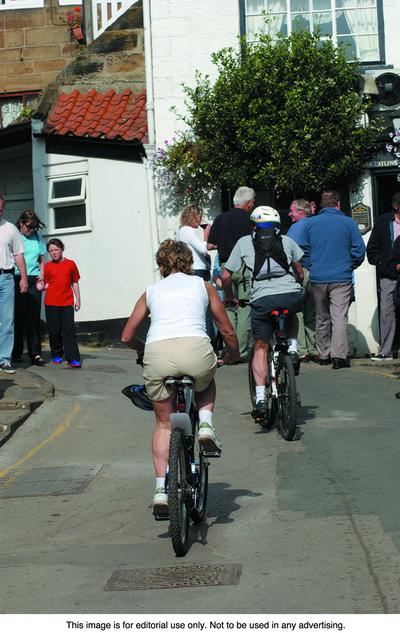
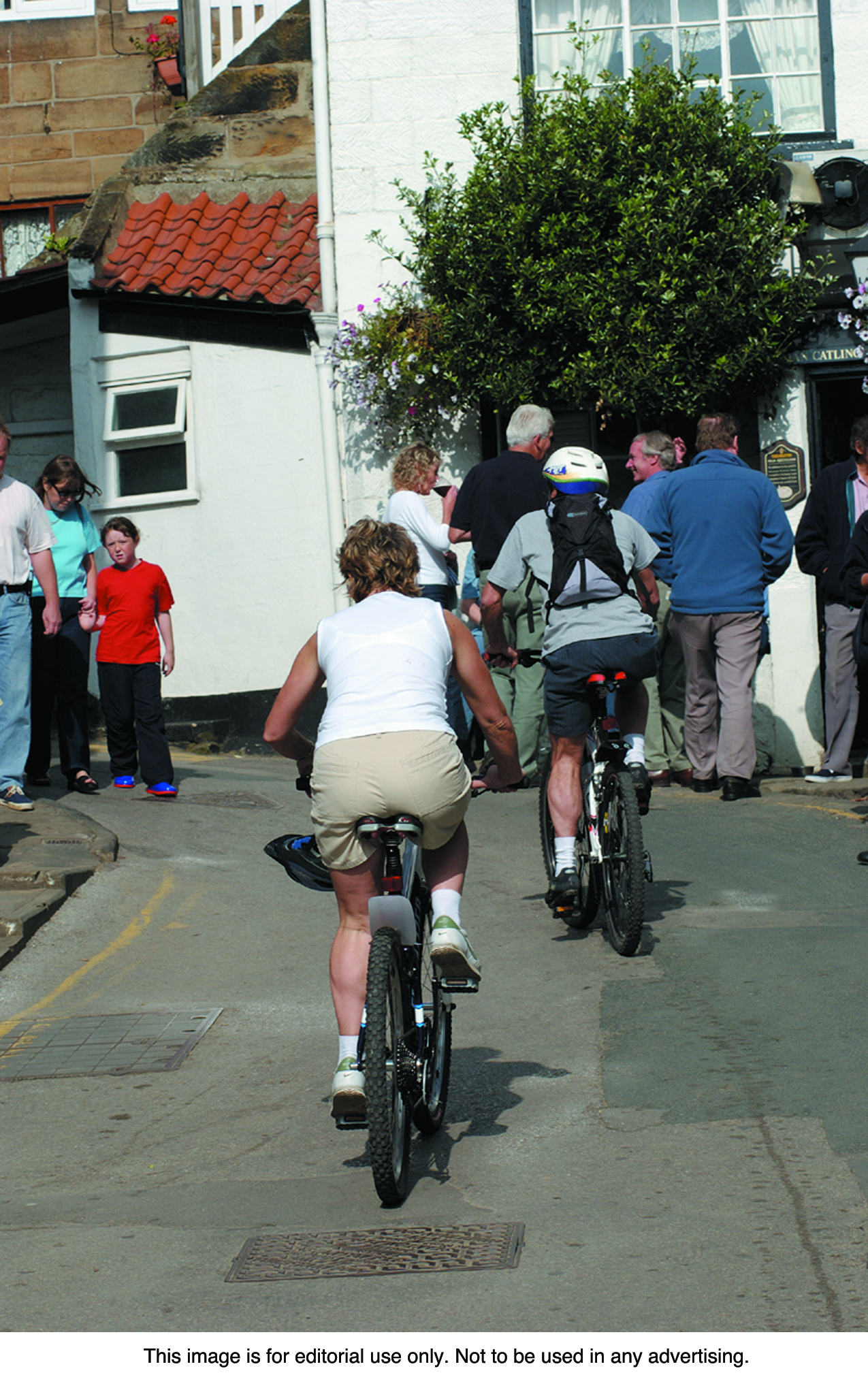
For especially ambitious commuters, ride a bike to work when possible. While this isn’t ideal for those who work far away from home, for those in close proximity it’s a good way to get some exercise, save some money and help the environment all at once.