
U.S. giving terror case to military commission
Holder cites Congress’ funding ban
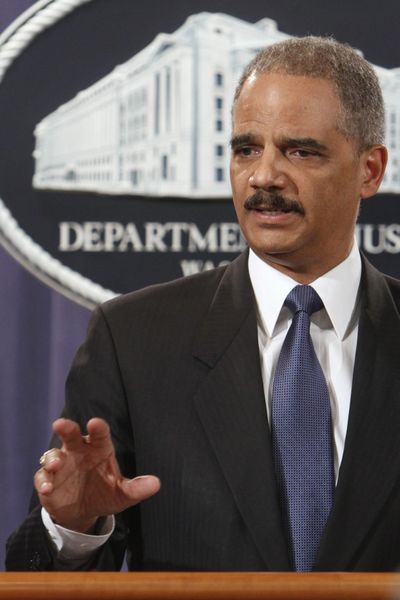
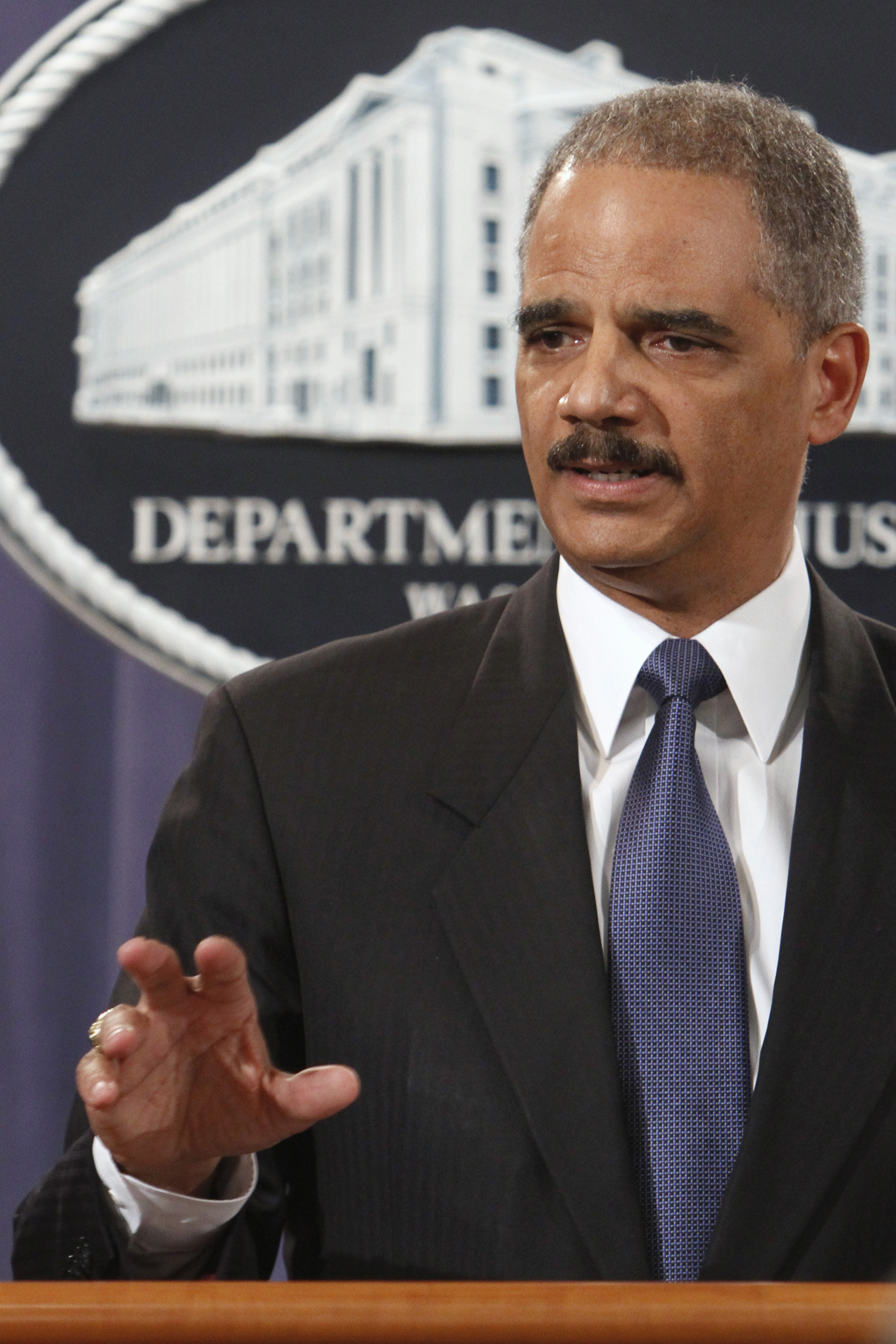
WASHINGTON – The Obama administration admitted defeat in its effort to prosecute the self-described mastermind of the Sept. 11, 2001, terrorist attacks before a civilian jury in New York City, announcing that Khalid Sheikh Mohammed and four others would be tried by a military commission at the U.S. naval base in Guantanamo Bay, Cuba.
The decision, announced Monday by Attorney General Eric Holder, was a sharp political setback for President Barack Obama, who had repeatedly pledged try “high-value” terrorism defendants in civilian courts.
A federal judge in Manhattan promptly dismissed a sealed grand jury indictment from December 2009 against Mohammed and the four others, pending transfer of the case to the military tribunal. The existence of the 10-count federal indictment against the five men was not previously known.
Several hours later, Navy Capt. John F. Murphy, chief prosecutor in the Pentagon’s Office of Military Commissions, said charges would be filed “in the near future” to try the case at Guantanamo. Mohammed and his co-defendants are among about 170 detainees at the military prison there.
In 2007, during a combatant status review tribunal hearing at Guantanamo, Mohammed confessed to the Sept. 11 conspiracy and other lethal terrorist plots, and asked to be put to death. If military prosecutors seek the death penalty, he will not be allowed to plead guilty under the rules of military justice and will have to stand trial.
Mohammed’s U.S. interrogators subjected him to waterboarding, a process that simulates drowning, 183 times in March 2003, shortly after he was captured in Pakistan, according to a CIA report. None of the statements given under such harsh interrogation procedures can be used against him, under Obama administration policies.
By moving the trials to civilian court, Obama had hoped to demonstrate the fairness of the U.S. justice system. Such proceedings are more transparent and include civilian judges and jurors. In military tribunals, the judge and jury are military officers.
But opponents of the plan feared that a trial on U.S. soil would trigger terrorist reprisals and require expensive security. Many also feared that stricter standards for admissible evidence could result in more acquittals and lenient sentences.
Holder said he and the White House “reluctantly” reversed course because Congress passed legislation in December barring the use of federal funds to transfer detainees from Guantanamo to the U.S. In addition, he said, relatives of the 2,976 people killed on 9/11 in New York, Washington and Pennsylvania were losing patience.
Holder said he was confident that prosecutors would have prevailed in New York but took solace that the cases would proceed in the military system.
“For the victims of these heinous attacks and their families, justice is long overdue, and it must not be delayed any longer,” Holder said.