
Unclear who would lead after Gadhafi

WASHINGTON – The Obama administration has emphatically called for Libyan dictator Moammar Gadhafi to step down, and has pledged assistance to the rebels seeking to overthrow him.
Yet the U.S. has far less clarity on a key issue: Who’s in charge of the Libyan revolution?
U.S. diplomats this week began an intense effort to communicate with the protesters, seeking to understand who is leading the rebels and their long-term goals. But after three days of calls to Libya from U.S. Ambassador Gene Cretz in Washington, as well as from officials in the U.S. embassy in Rome, both of those questions remain unanswered, officials say.
“There are a lot of disparate views out there,” sighed a senior administration official. Many of the figures who appear to be calling the shots in Libya “are really obscure,” the official said. “And they really don’t know yet what they want to do.”
Trying to figure out who’s going to end up in charge, the official said, is like trying to figure out “who’s going to be the Republican nominee in 2012.”
The issue is not just academic. U.S. officials are trying to decide how to provide humanitarian relief to thousands of people who are fleeing Libya, and are also weighing whether to provide military assistance against Gadhafi’s forces.
The predicament is similar to what the George W. Bush administration faced after the 2003 invasion of Iraq, and that ended unhappily, veteran diplomats say.
U.S. officials needed to sort out which Iraqis should be in charge after Saddam Hussein fell, and struggled with competing claims from dozens of Iraqi expatriates and others who sought to lead. Some U.S. officials felt afterward that the Bush administration gave too much credence to claimants whose support among Iraqis was thin.
Unlike Iraq, U.S. officials said they don’t need to install new leaders in Libya. But they do need to figure out who can speak for Libya at a time when international support is an urgent issue.
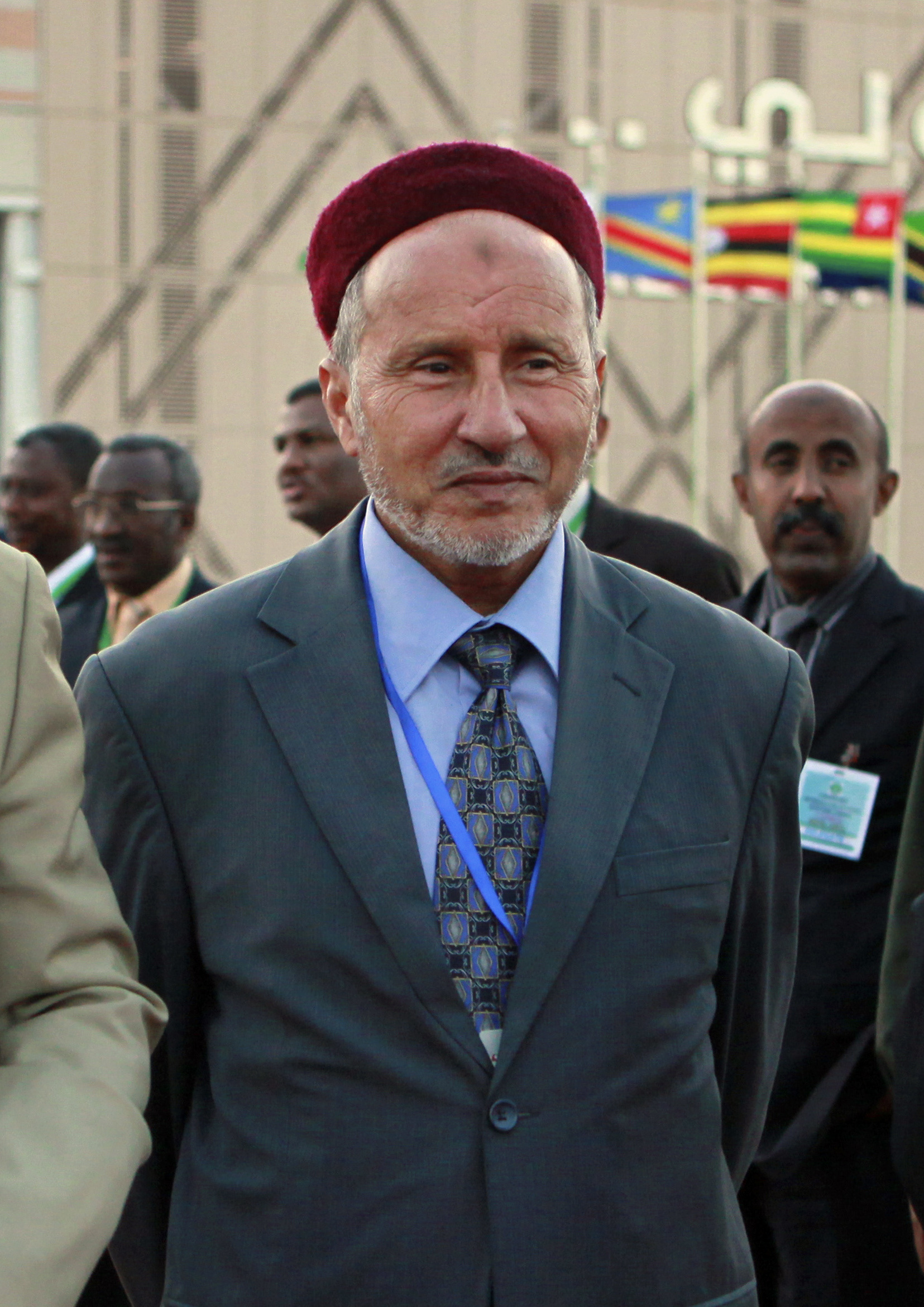
One Libyan who has become prominent during the uprising is an elderly former Libyan justice minister, Mustafa Abdel Jalil, who spoke out against Gadhafi even before the demonstrations. Many Americans and Libyans praise him as a firm believer in the rule of law. But U.S. officials say it remains unclear who Jalil speaks for.
Other potential leaders include diplomats, such as former Libyan Ambassador to the United States Ali Suleiman Aujali, or deputy Libyan ambassador to the United Nations, Ibrahim Dabbashi. Both of the officials have denounced Gadhafi.
Another potential leader is Abdel Fatah Younis, a former Libyan general and interior minister, who resigned Feb. 22 and called on the army to join the upheaval.