
Tokyo water called unsafe for infants
Radioactive iodine exceeds level considered safe
TOKYO – Tap water in Tokyo tested two times above the limits for radioactive iodine considered safe for infants, officials said today amid burgeoning concerns about food safety in the wake of an earthquake and tsunami that crippled a nuclear power plant.
Levels of radioactive iodine in tap water at a water treatment center in downtown Tokyo that supplies much of the city’s tap water contained 210 becquerels per liter of iodine-131, officials from the Tokyo Water Bureau said at a news conference.
That amount is more than twice the recommended limit of 100 becquerels per liter for infants, the most vulnerable segment of the population. Babies in Tokyo should not be fed tap water although the level is not an immediate health risk for adults, officials said.
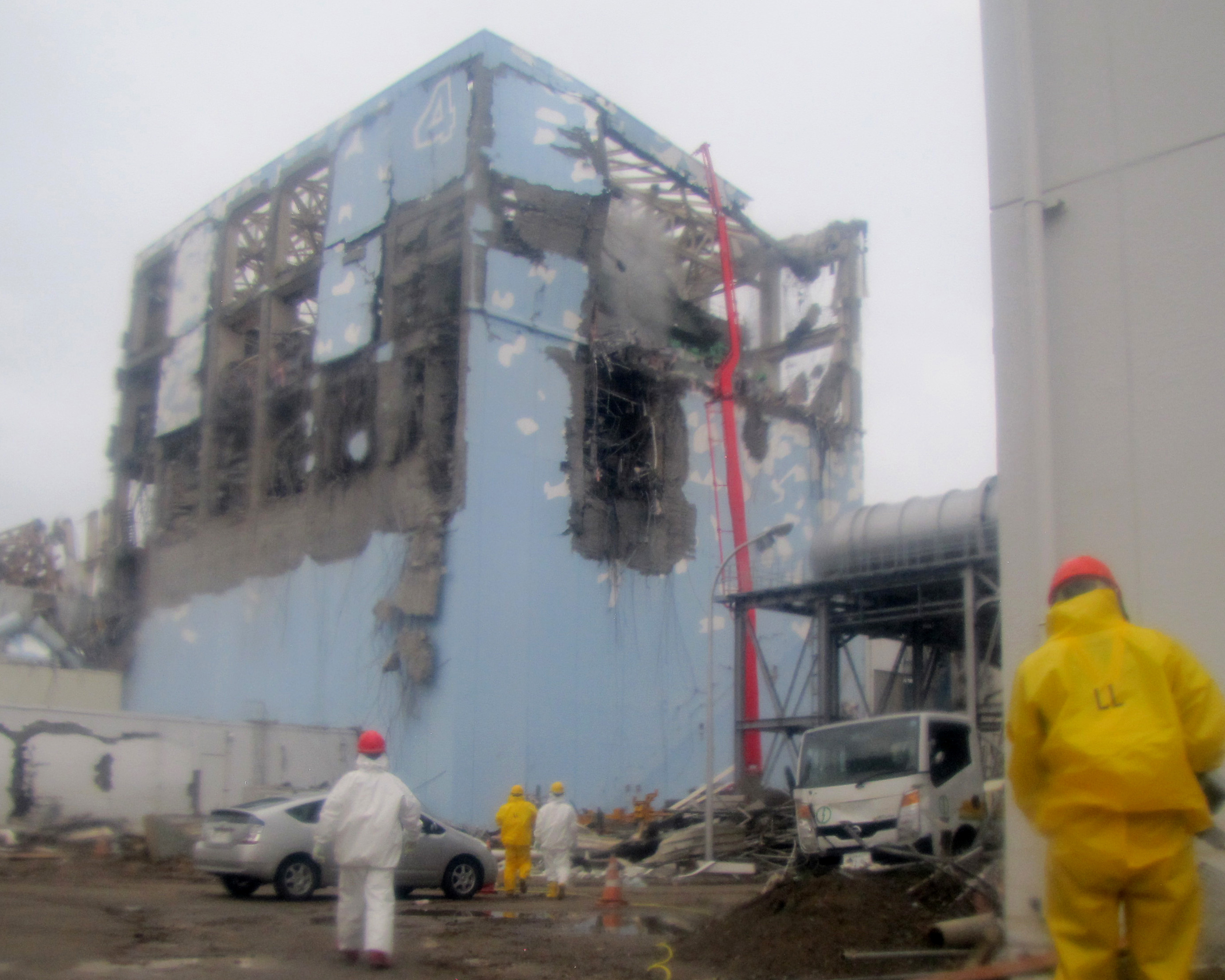
Nearly two weeks after the twin March 11 disasters, nuclear officials were still struggling to stabilize the damaged and overheated Fukushima, which has been leaking radiation since the disasters knocked out the plant’s cooling systems.
Radiation has seeped into vegetables, raw milk, the water supply and even seawater in the areas surrounding the plant. Broccoli was added early today to a list of tainted vegetables that already includes spinach, canola and chrysanthemum greens.
Residents of cities in Japan’s northeast earlier had been advised not to drink tap water due to elevated levels of radioactive iodine, which can cause thyroid cancer. Until today, levels found in Tokyo tap water had been minute, according to officials.
Control room lights were on and electronic thermometers were functioning today at several of Japan’s stricken nuclear reactors, marking small but potentially critical steps toward controlling overheated fuel that has been spewing radioactivity for more than a week.
Firefighters continued to spray depleted-fuel pools and containment vessels after connecting power lines late Tuesday to all six reactors at the Fukushima complex, about 150 miles north of Tokyo. Control room lights in the troublesome No. 3 reactor, which came on Tuesday evening, could mean crucial controls can be brought back to life to prevent fuel that contains highly carcinogenic plutonium from melting.
Tokyo Electric Power Co, or Tepco, expressed guarded optimism, but stressed that equipment first must be checked. U.S. observers likewise were hopeful of an imminent turning point in the crisis, which has sparked food bans and evacuations.
“They’ve made considerable progress bringing equipment to the plant and restoring power,” said David Lochbaum, director of nuclear safety at the Cambridge, Mass.-based Union of Concerned Scientists. “But they’re not out of the woods yet. They are working with razor-thin margins.”