
USDA says sales of ‘local foods’ surging beyond expectations
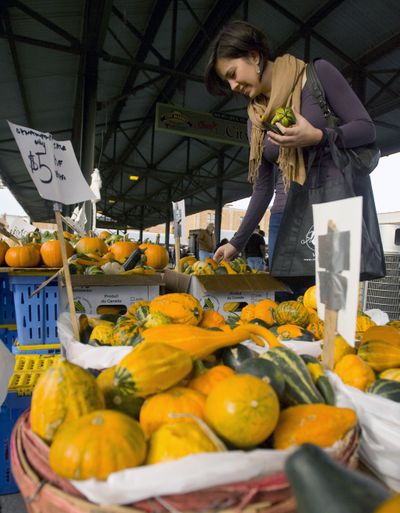
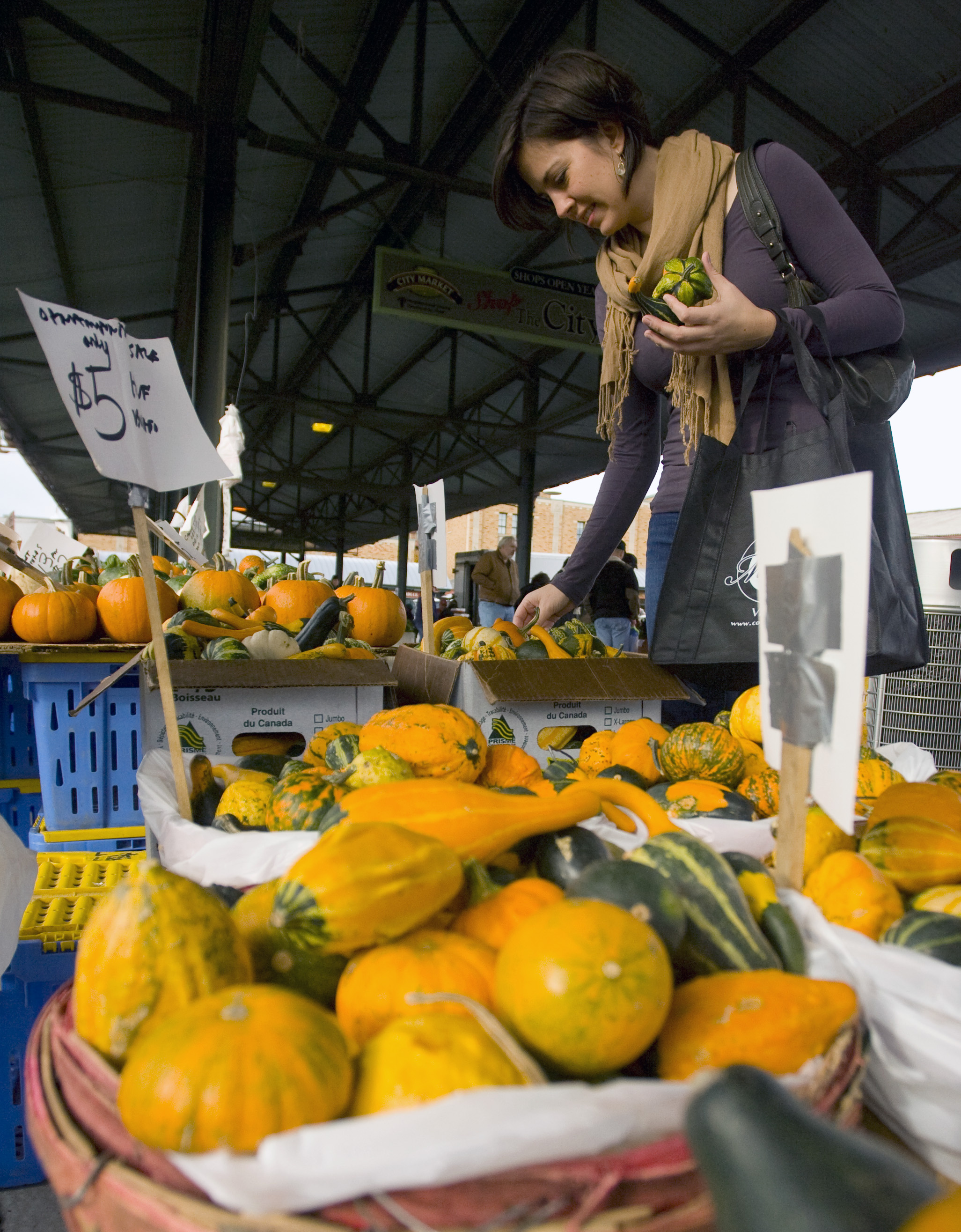
ST. LOUIS – Carolyn Anderson likes to chat up the growers at her local farmers market in Missouri, at times hanging out behind the beds of pickup trucks brimming with ears of corn.
For Anderson, 29, it’s all about keeping it “local.” And there’s fresh evidence of just how big of a deal that word can mean for farmers’ finances.
A new U.S. Department of Agriculture report says sales of “local foods,” whether sold direct to consumers at farmers markets or through intermediaries such as grocers or restaurants, amounted to $4.8 billion in 2008.
That’s a number several times greater than earlier estimates, and the department predicts locally grown foods will generate $7 billion in sales this year.
While there’s plenty of evidence local food sales have been growing, it has been hard to say by how much because governments, companies, consumers and food markets disagree on what qualifies as local. The USDA report included sales to intermediaries, such as local grocers and restaurants, as well as directly to consumers through farmers markets, roadside stands and the like.
It found that farm sales to people like Anderson have just about doubled in the past two decades, from about $650 million, adjusted for inflation, in the early 1990s to about $1.2 billion these days. The much bigger, $4.8 billion figure came when sales to local restaurants, retailers and regional food distributors were added in.
The report also shows the local food movement is dominated by fruit and vegetable growers. While only 5 percent of U.S. farms sell their products in local and regional markets, 40 percent of vegetable, fruit and nut farms do.
“Local” doesn’t necessarily mean “organic,” a label that carries strict requirements for growers and is overseen by the Agriculture Department. But the word still carries plenty of cache with consumers like Anderson, a farmer’s granddaughter who sees shopping at the farmers market in Kansas City, Mo., as a ripe opportunity to get to know the growers and what went into the stuff they’re selling.
Paul Gnaedinger has raised everything from organic corn and soybeans to wheat and rye on his organic farm near Pocahontas, Ill. Lately, he’s turned to grass-fed beef.
He sells regionally and wasn’t surprised in the growth in local food sales, chalking it up to consumers becoming more savvy in their purchases – and perhaps a bit greener, knowing that shorter shipping distances may lower the carbon footprint and the chances of contamination in transport.
“I don’t want to say they’re not trusting of other food sources,” said Gnaedinger, 53, who also works as a nurse. “They do tell me they don’t want to buy something in Colorado one day, then see it shipped to California before it’s shipped here.
“There’s real demand in the market for people wanting to know where their food is coming from, that it’s going through local channels.”