
Emails were urgent on loan to solar firm
Critics say White House pushed approval
Widening the probe into Solyndra Inc.’s collapse, House Republicans at a hearing Wednesday released emails showing that White House aides pressured budget officials to finalize a decision on a $535 million loan guarantee to the solar panel maker because they were eager to have Vice President Joe Biden announce the news at Solyndra’s 2009 groundbreaking ceremony in Fremont, Calif.
But while the released emails indicated the White House was eager for a final decision on the loan, they do not reveal that the Obama administration pushed for a particular outcome. Nor did they contain evidence that George Kaiser, a prominent Obama fundraiser and visitor to the White House, had any direct influence or involvement in the Solyndra loan.
Many conservative critics have focused on Kaiser because Argonaut Venture Capital, the investment arm of the Tulsa, Okla.-based George Kaiser Family Foundation, is Solyndra’s largest private investor. They speculate that Solyndra’s loan was either approved or expedited at the request of Kaiser and other political donors to President Barack Obama’s 2008 presidential campaign.
The bitter bipartisan divide on Capitol Hill was clear in the four-hour hearing. Republicans on the House Energy and Commerce Committee hammered the administration’s support of Solyndra as “crony capitalism run amok,” while Democrats argued that the United States is losing the clean-tech race to China and that Republicans were trying to discredit clean energy just as they have dismissed the scientific evidence of climate change.
Under questioning from Rep. Henry Waxman, D-Calif., both Jonathan Silver, director of the Department of Energy’s Loan Programs Office, and Jeffrey Zients, deputy director of the Office of Management and Budget, testified that they have never met or spoken with Kaiser.
But the two officials faced fierce questioning from House Republicans, who questioned the process by which Solyndra’s original loan was approved as well as the Department of Energy’s decision to restructure the debt when Solyndra was running out of cash earlier this year. And they raised concerns about pending Energy Department loans to clean-tech companies.
“Is Solyndra one bad bet or the tip of the iceberg?” asked Oversight and Investigations Subcommittee Chairman Cliff Stearns, R-Fla.
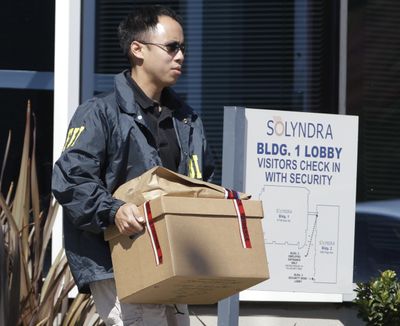
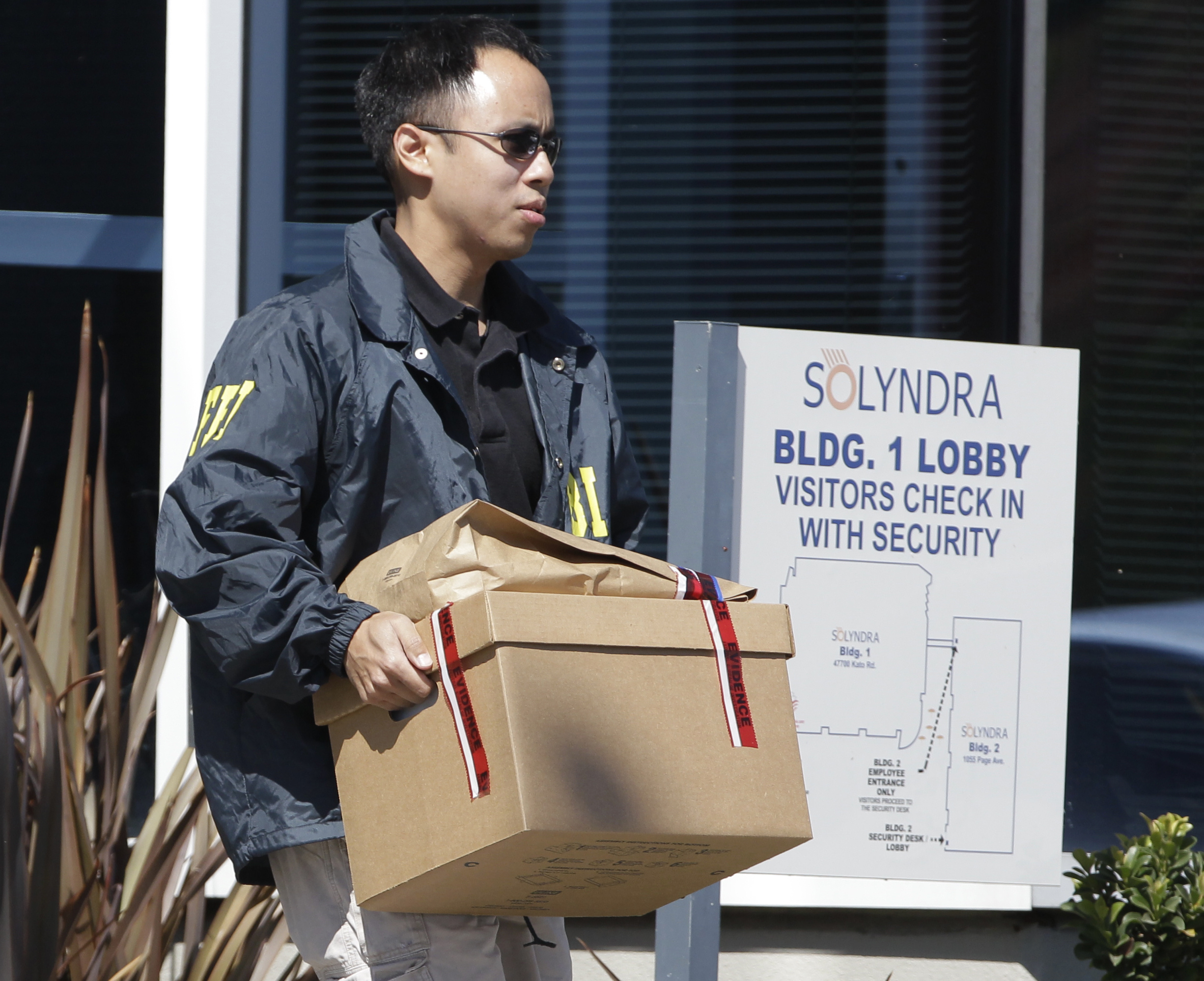
The FBI and investigators with the Department of Energy’s Inspector General’s Office raided Solyndra’s offices last week. While the search warrant affidavit remains under seal, many speculate that investigators are looking for evidence that Solyndra defrauded the government by misstating financial projections.
Solyndra’s loan was originally submitted in 2006, when President George W. Bush was in office, and made its way through an often-cumbersome three-year interagency vetting process.
The released emails show that some officials in the Office of Management and Budget felt they were under intense pressure to wrap up the process.
The pressure the budget office felt apparently was the result of the Obama administration’s eagerness to show its support for clean technology.
In August 2009, four days after an independent credit agency issued its risk rating for the Solyndra deal, a special assistant to then-White House Chief of Staff Rahm Emanuel emailed staff at the Department of Energy and the Office of Management and Budget: “As the closing of the Solyndra deal nears, we want to think about the potential announcement value in this. We know that the conditional agreement was already announced in March. That said, the VP will be in California in early September, and want to see if it’s worth doing something here.”
While Republicans alleged the White House emails revealed pressure for approval for the loan, Zients said they merely concerned “scheduling logistics.”
“This had nothing to do with the decision to give the loan to the company or not,” he said.