
‘Super’ lice nothing new to school, health officials

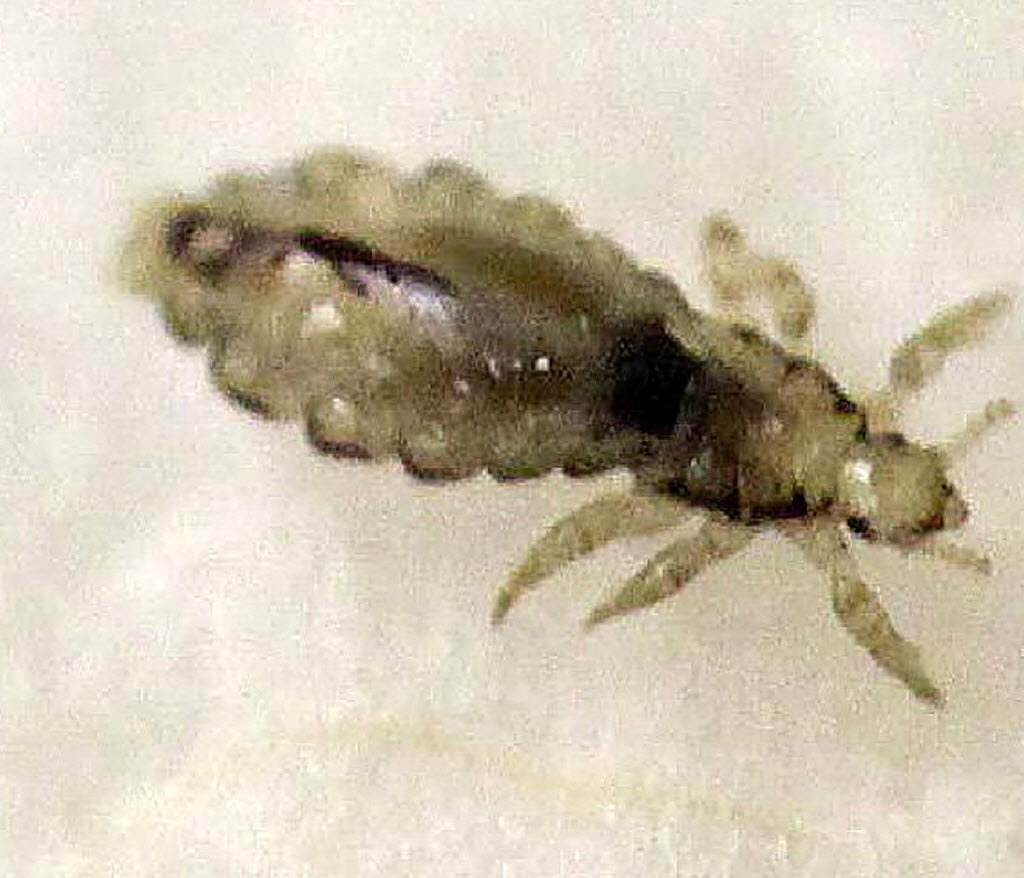
“Super” head lice have been making headlines across the U.S. for the past few weeks, but Spokane school and health officials say they’re not a new phenomenon.
“We’ve heard and experienced strains of lice that seem to be … resistant to the lice medications, specifically the over-the-counter lice medications,” said Wendy Bleeker, the director of student services for Spokane Public Schools.
Head lice that are resistant to some forms of chemical treatment have earned the “super” moniker. Recent media attention has focused on research published last year, which found 99 percent of lice in 25 states, not including Washington, carry a gene mutation that can make them resistant.
The same study says that’s nothing new, though: 84 percent of lice sampled from 1999 to 2009 had the same gene. And health officials say there’s little cause for worry.
The Spokane Regional Health District recommends first treating lice by combing nits – small lice eggs - out of hair before resorting to chemicals.
Because lice don’t carry disease, the health district doesn’t formally track cases, but spokeswoman Kim Papich said she hasn’t seen an increase in reports of families who haven’t been able to treat lice at home.
District policy is to notify parents by phone call if their child is discovered to have lice. Parents are asked to pick their children up and treat the lice by removing nits before their child can return to school.
Schools don’t check returning children to make sure they are nit-free before returning. Bleeker said they recommend parents get all nits out and provide information on how to do that, but don’t check students’ heads when they come back.
“We don’t have the capacity to do it,” she said.
The health district recommends against nit-free policies because lice are only spread via head-to-head contact, which is rare in schools, Papitch said.
Guidelines for treating lice are available on the health district website. They include a list of home remedies to avoid, including treating heads with kerosene, mayonnaise or other substances besides over-the-counter lice medication.
If parents do encounter “super lice,” they should talk to a doctor who can usually prescribe a different medication, Bleeker said.
This story was changed on September 4, 2015 to correct the spelling of Kim Papich.