
North Korea warns it has restarted, upgraded nuclear fuel plants
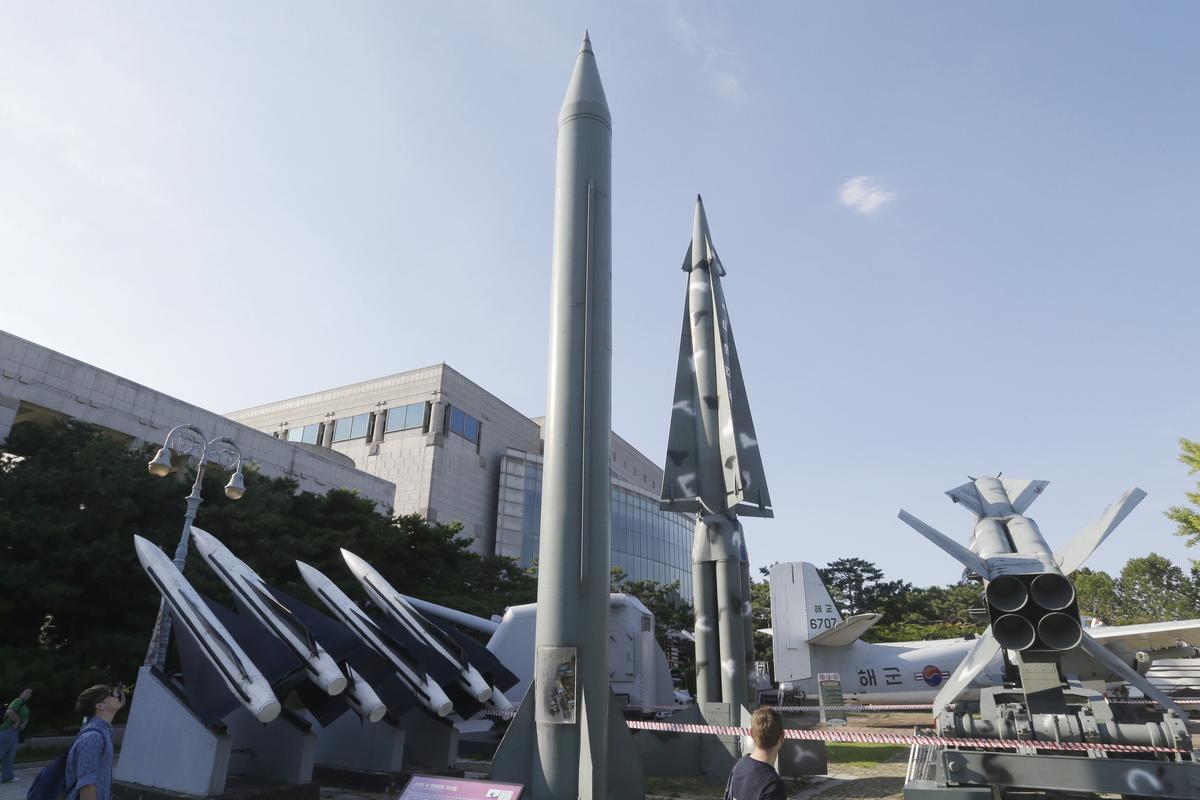
PYONGYANG, North Korea – With a big anniversary drawing near, North Korea declared Tuesday it has upgraded and restarted all of its atomic fuel plants – meaning it could possibly make more, and more sophisticated, nuclear weapons.
The statement, coming just a day after it said it is ready to conduct more rocket launches any time it sees fit, has heightened concerns the North may soon either conduct a launch – which Washington and its allies see as a pretext for testing missile technology – or hold another test of nuclear weapons that it could conceivably place on such a rocket.
Either would be sure to get world attention and be milked by North Korea’s state media as major achievements by Kim Jong Un and his ruling regime.
But North Korea’s recent statements also fit a pattern of using claimed improvements in its nuclear and missile programs – many of which don’t lead to launches or nuclear tests – to push for talks with the United States that could eventually provide the impoverished country with concessions and eased sanctions, or backfire and deepen its standoff with the U.S. and its allies.
North Korea has spent decades trying to develop operational nuclear weapons.
It is thought to have a small arsenal of atomic bombs and an impressive array of short- and medium-range missiles. But it has yet to demonstrate that it can produce nuclear bombs small enough to place on a missile, or missiles that can reliably deliver their bombs to faraway targets.
Still, it has conducted three nuclear tests and a series of steadily improving long-range rocket launches, and some analysts see the announcements as foreshadowing another launch ahead of the anniversary celebration or a fourth nuclear test, which would push North Korea further along in its nuclear aims.
North Korea said Tuesday in its state media that, as it pledged to do in 2013, the plutonium and highly enriched uranium facilities at its main Nyongbyon nuclear complex have finally been “rearranged, changed or readjusted and they started normal operation.” It said its scientists had improved “the levels of nuclear weapons with various missions in quality and quantity.”
North Korea agreed to shut down the Nyongbyon reactor in 2007 in return for emergency energy assistance and steps toward the normalization of relations with the U.S. and Japan in a deal resulting from six-party talks involving the U.S., China, Russia, Japan and the two Koreas. In 2009, North Korea pulled out of the denuclearization talks and expelled international inspectors after the U.N. Security Council condemned Pyongyang for a failed satellite launch that was considered a test of an intercontinental ballistic missile. The North later pledged to resume its nuclear enrichment program at Nyongbyon.