
The 2010s in Review: In the outdoors, technology plays a larger role
Odd as it may seem, digital technology was the force shaping outdoor pursuits the most during the past decade.
Whether it was advances in GPS mapping, which now allow us to carry in our pockets what would have been thousands of paper maps, or rapid developments in cameras, no aspect of outdoor recreation remained untouched.
Here’s a sampling of what changed.
Online maps take over the world
The advent of easy-to-use, cheap and accessible online mapping changed recreation. While much of the technology underlying the maps on smartphones today was created prior to the start of the decade, it only became widely usable in the past 10 years.
It’s no longer necessary to know how to use a map and compass. In fact, some avalanche instruction courses are no longer teaching those skills, once deemed foundational to outdoor adventure.
That has lowered the barrier for outdoor pursuits. But it has also caused a fair share of problems. Sometimes online maps are wrong. Or your battery dies. Or you drop your phone.
And, it turns out, our ability to navigate is like a muscle: Use it or lose it.
Online mapping won’t go away. But expect the potential downsides to get more airtime in the 2020s.
Social media
and the Instagram effect
In related and connected news, social media have had profound effects on the physical world. In 2009, the so-called Instagram effect wouldn’t have made any sense at all. That started to change in October 2010.
Since then, the ubiquity and popularity of social media have dictated where and when people recreate.
Sometimes that’s good, other times it means 600 people head to the same trailhead on the same day.
Drones bring new views
of the outdoors
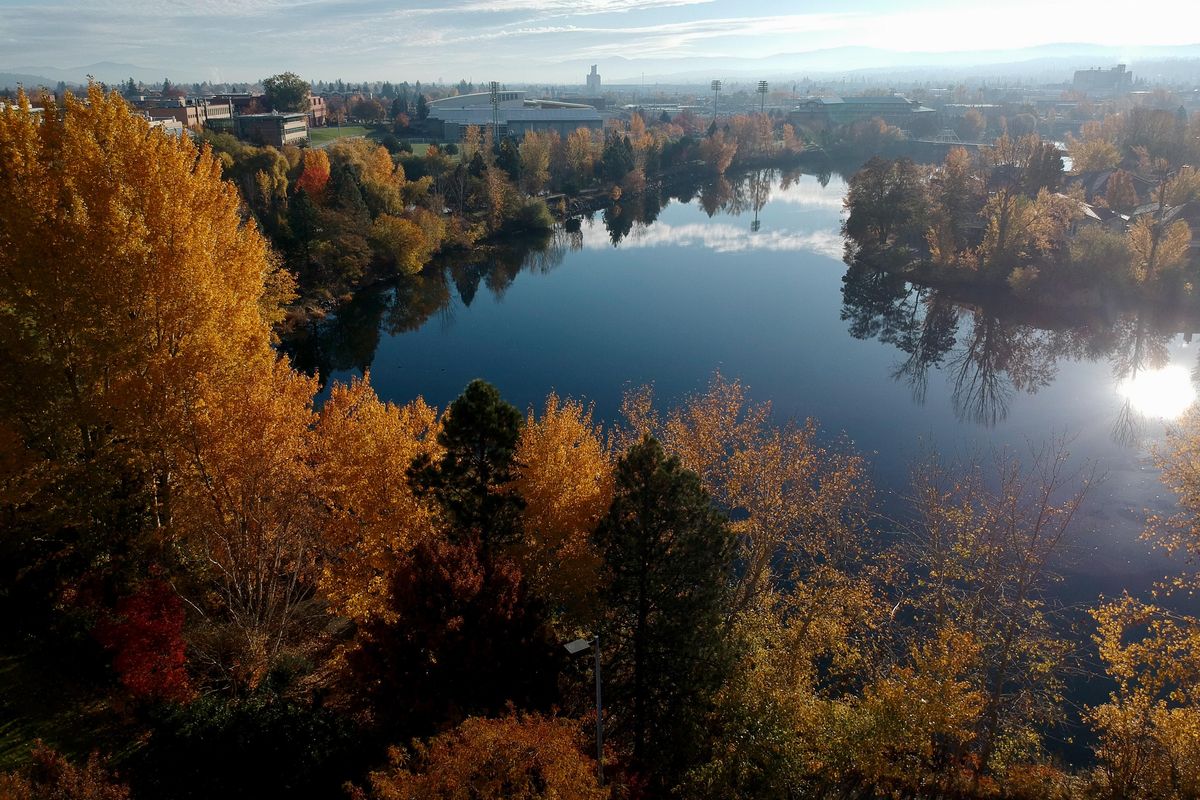
The proliferation of drones has changed how we see the natural world. A perspective once reserved for airplanes and the photographers able to charter them is now commonplace. That started in 2010 with the release of the first smartphone-controlled drone.
Now that aerial perspective is included in every outdoor video made – a reality that would have been impossible just 10 years ago.
But enough with digital technology. What about recreation itself?
SUPS hit the water
Stand up paddleboards took over the waterways in the 2010s. Although hardly a new activity, it grew in popularity throughout the U.S.
It was no different in the Spokane area. The combination of fun, exercise and adventure made it an irresistible combination. And in 2017, three area paddlers made waves when they paddled the 112-mile length of the Spokane River in three days.
Human-powered adventures go mainstream
Outdoor recreation is all about trends. What’s hot one decade is passé the next. In the 2010s, human-powered adventures, with a focus on friends and fitness, took center stage.
That shift in attitude drove an increase in activities like uphill skiing, a tamer relative of backcountry skiing. Peruse any outdoor-oriented magazine or website and you’re likely to see images showing groups of people having a good time in nature, a marked difference from the 1990s or early 2000s when the imagery du jour was solo adventurers completing jaw-dropping feats of bravery and skill.
Now it’s all about the lifestyle.
Climbing does, too
No outdoor sport epitomizes this change quite like rock climbing. Once a relatively obscure counterculture activity reserved for Lycra-wearing wild men and women, climbing has entered the mainstream.
To be sure, this developed over several decades. But in the 2010s, the confluence of climbing gyms, new technology that allowed us to see climbers as never before (drones, digital cameras, iPhones, etc.) and the above-mentioned shift in focus toward human-powered adventures and camaraderie, made climbing a hot item.
Commercial and critical hit movies like “Free Solo” and “Dawn Wall” only solidified climbing’s place, and as it joins the pantheon of Olympic sports in 2020 its popularity will only grow.
Local activists
conserve local spaces
Area conservationists made great strides in the 2010s. The Dishman Hills Conservancy, Washington Trails Association, the Inland Northwest Land Conservancy and others did the hard and slow work of conserving land for future generations.
Of particular note is the Olmstead 2.0 process. Spearheaded by the INLC, the Olmstead 2.0 vision is to coordinate the connection and preservation of wild, natural and undeveloped spaces in the region. With less than 10 percent of Spokane County classified as public land, that’s a vital effort, particularly with the regional population growing.
Volunteer trail workers also inspired, starting and completing numerous trails on Mount Spokane, Mica Peak, Antoine Peak, at Fishtrap Lake and more.
The efforts of volunteers and conservation organizations alike were made even more vital with the reduction in federal conservation dollars. Individuals and organizations gamely tried to fill the gaps left by reductions in the Farm Bill’s Conservation Reserve Program and the slashing of recreation budgets for national forests and other federal land management agencies.
Climate change
The biggest, most dire and most important story of the decade was climate change.
Report after report highlighted the speed at which humanity is moving toward a carbon cliff of no return. Most recently that was the 2018 United Nations’ Intergovernmental Panel on Climate Change report that found that to avoid serious warming and its consequences, the global community will need to cut carbon emissions in half by 2030 and be carbon-neutral by 2050. A far-fetched likelihood.
And while that’s hardly good news, there is some measure of hope. Over the course of the decade the fact of a changing climate infused our consciousness and became, by and large, an accepted reality, with the majority of Americans saying they believe human activities are causing climate change and that it’s a developing crisis. In 2018, for instance, U.S. Rep. Cathy McMorris Rodgers, who had in the past denied humans’ role in climate change, said she believes we’re “partially” responsible for global warming.
A meager advance, but an advance nonetheless.
Of course, accepting something as a fact doesn’t necessarily mean action. And with the president of the United States actively questioning the underlying science behind climate change and withdrawing the U.S. from global efforts to combat it, quick, drastic and meaningful action from the U.S. seems unlikely.