SCREAM MACHINES
By Charles Apple
The Spokesman-Review
Aug. 16 is National Roller Coaster Day. Here’s a look at the popular amusement park rides:
THE PHYSICS OF ROLLER COASTERS
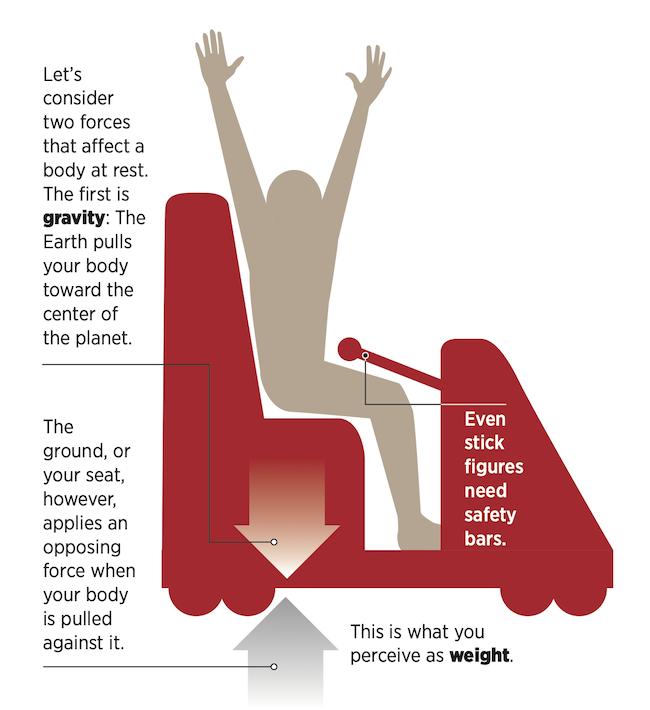
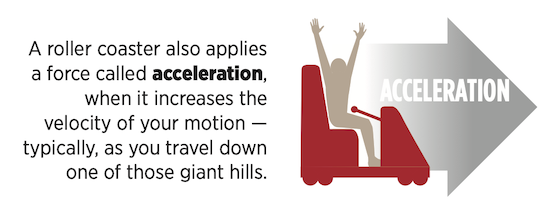
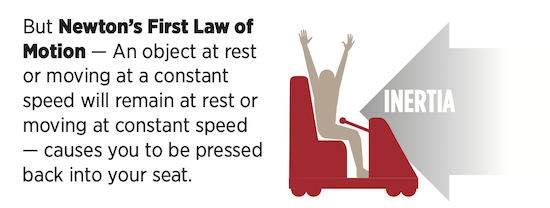
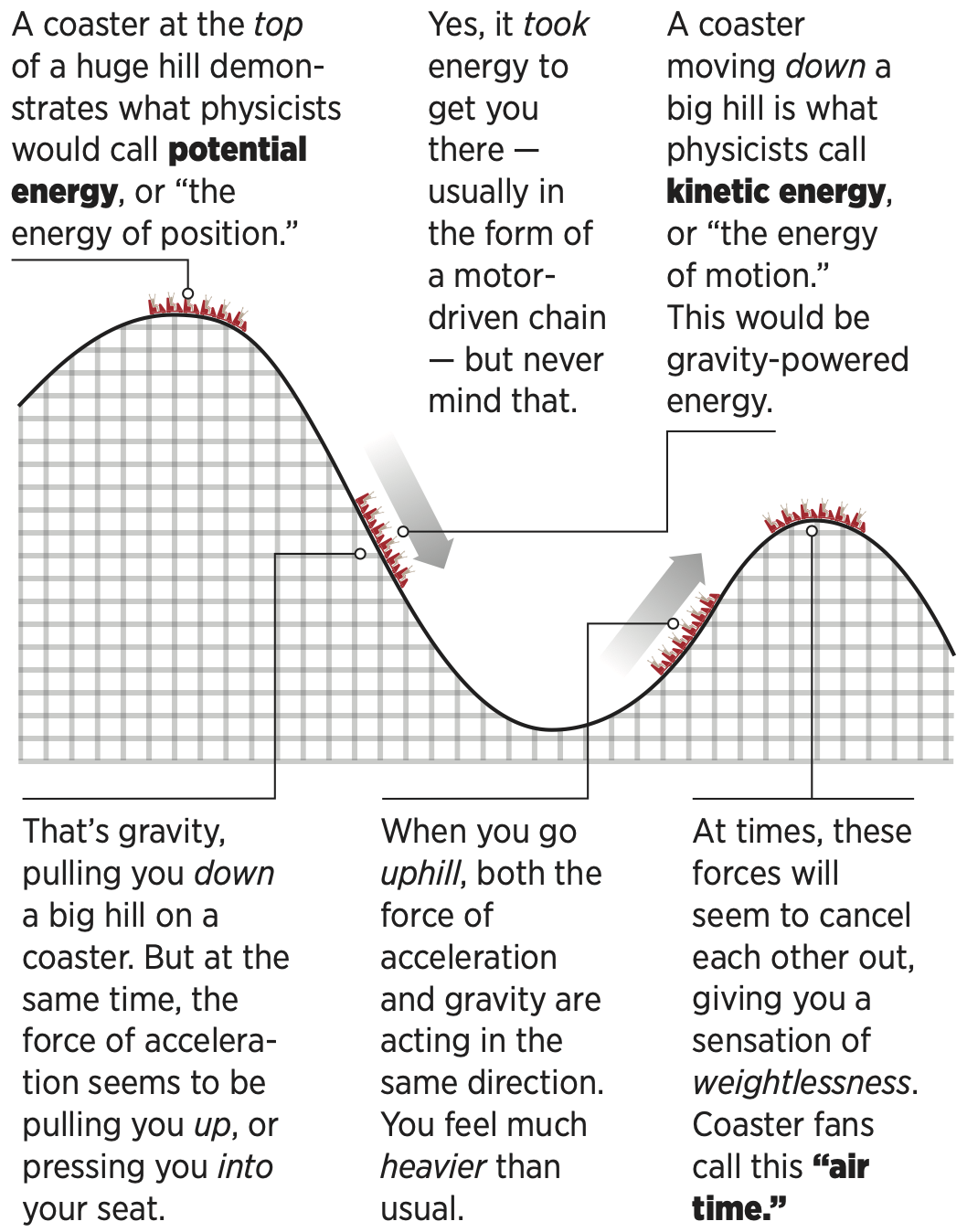
A roller coaster puts all of these forces – gravity, acceleration and inertia – into play and alternates them in unexpected ways to make your ride seem recklessly fast and dangerous. Which it isn’t, of course. Insurance companies would never allow that.
WOOD VS. STEEL
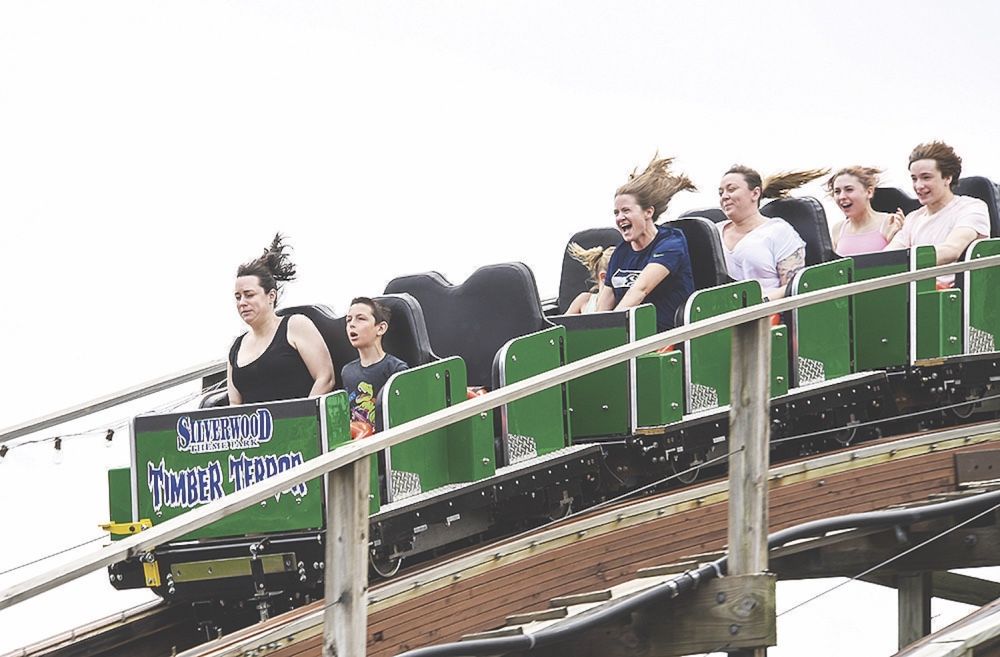
While there are several kinds of roller-coaster trains and track layouts, there are two primary types of coasters: Those with tracks made of tubular steel and those with tracks made of wood with steel rails. Wooden coasters go back to the 1920s and provide a more traditional coaster experience: See the Timber Terror at Silverwood, below.
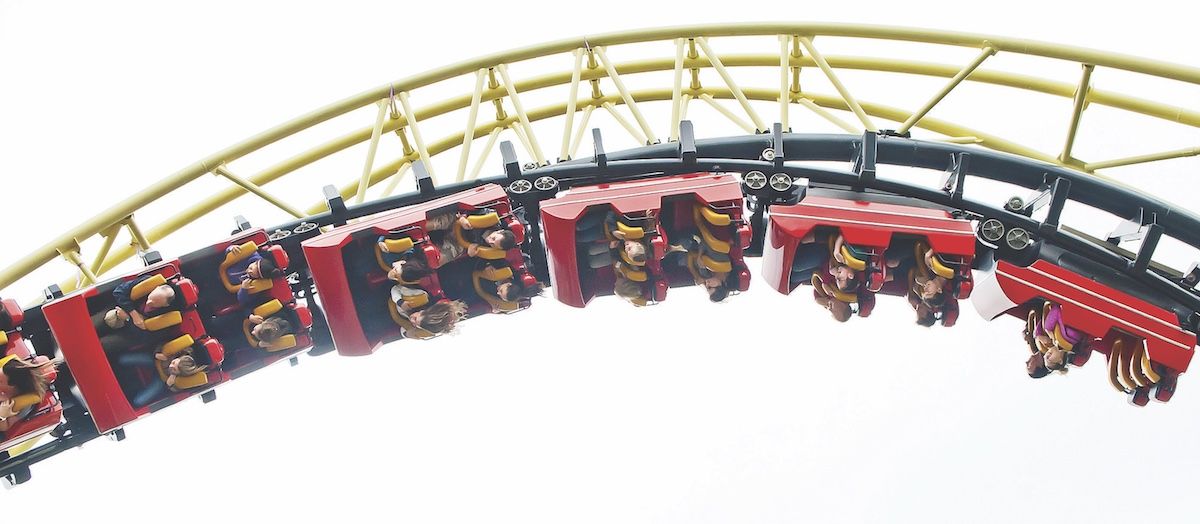
Tubular-style tracks – invented by the Walt Disney Co. for the Matterhorn ride in California’s Disneyland in 1959 – make for a smoother and faster ride. A great example: The Corkscrew at Silverwood, at the top of this page.
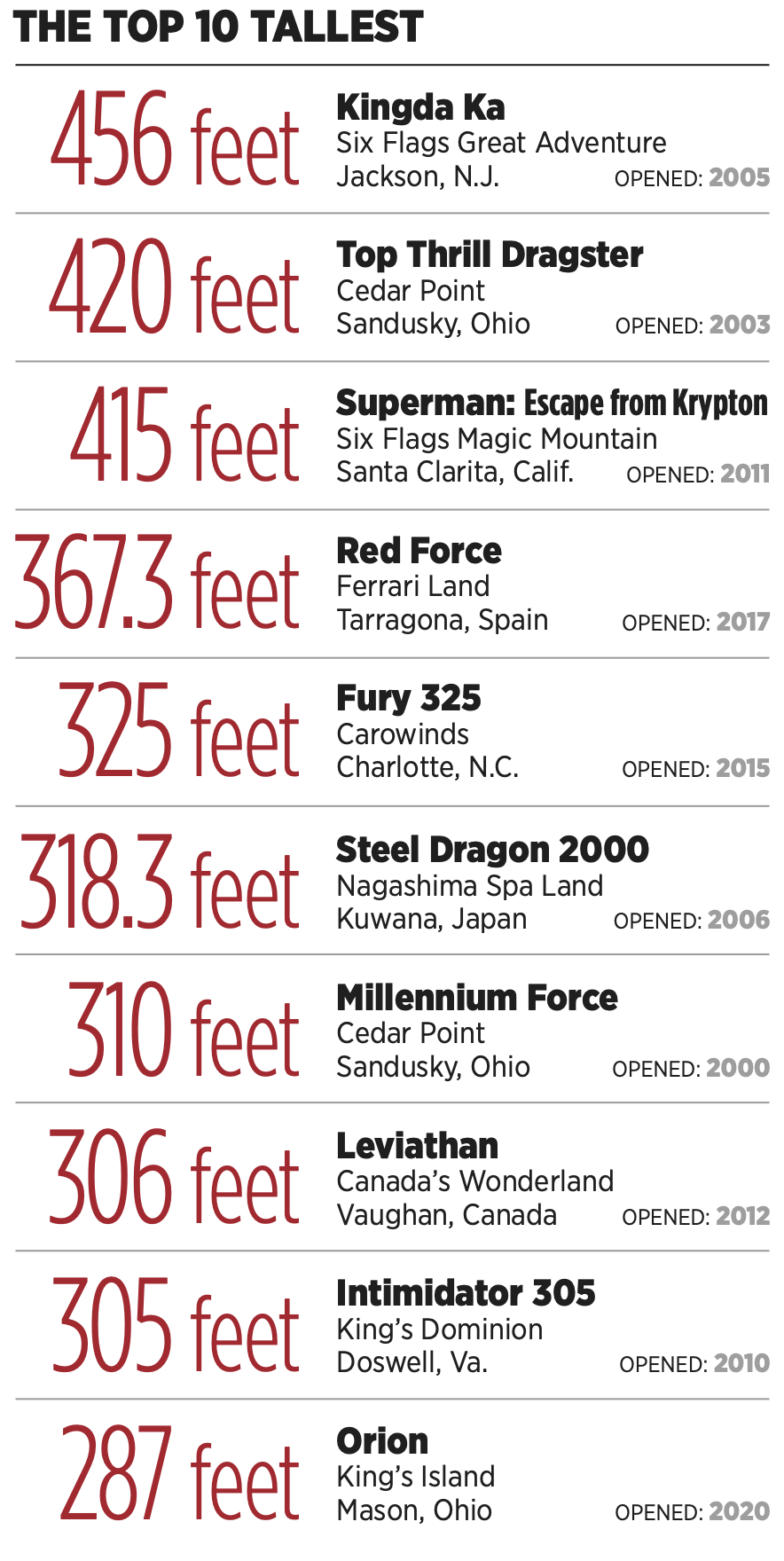
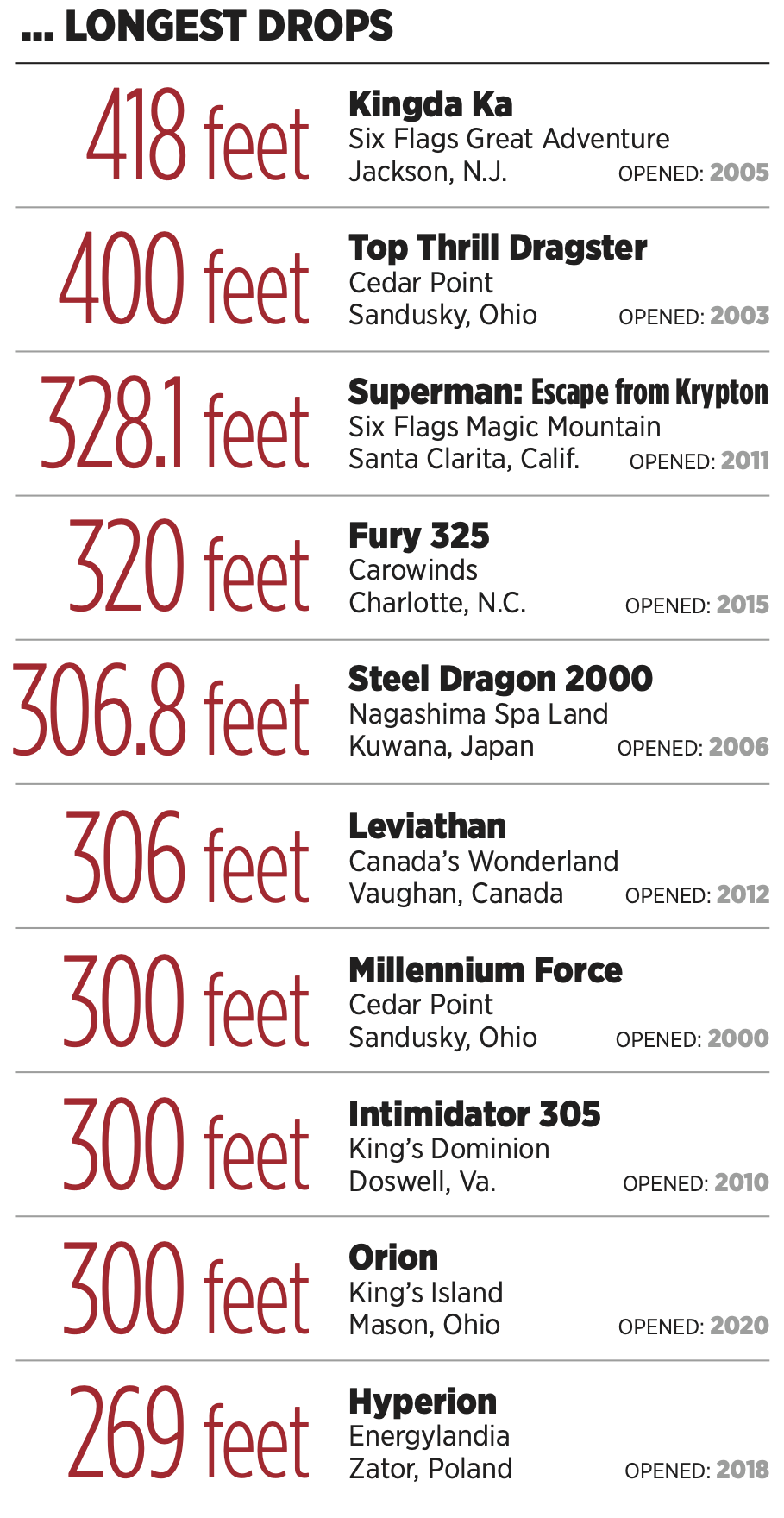
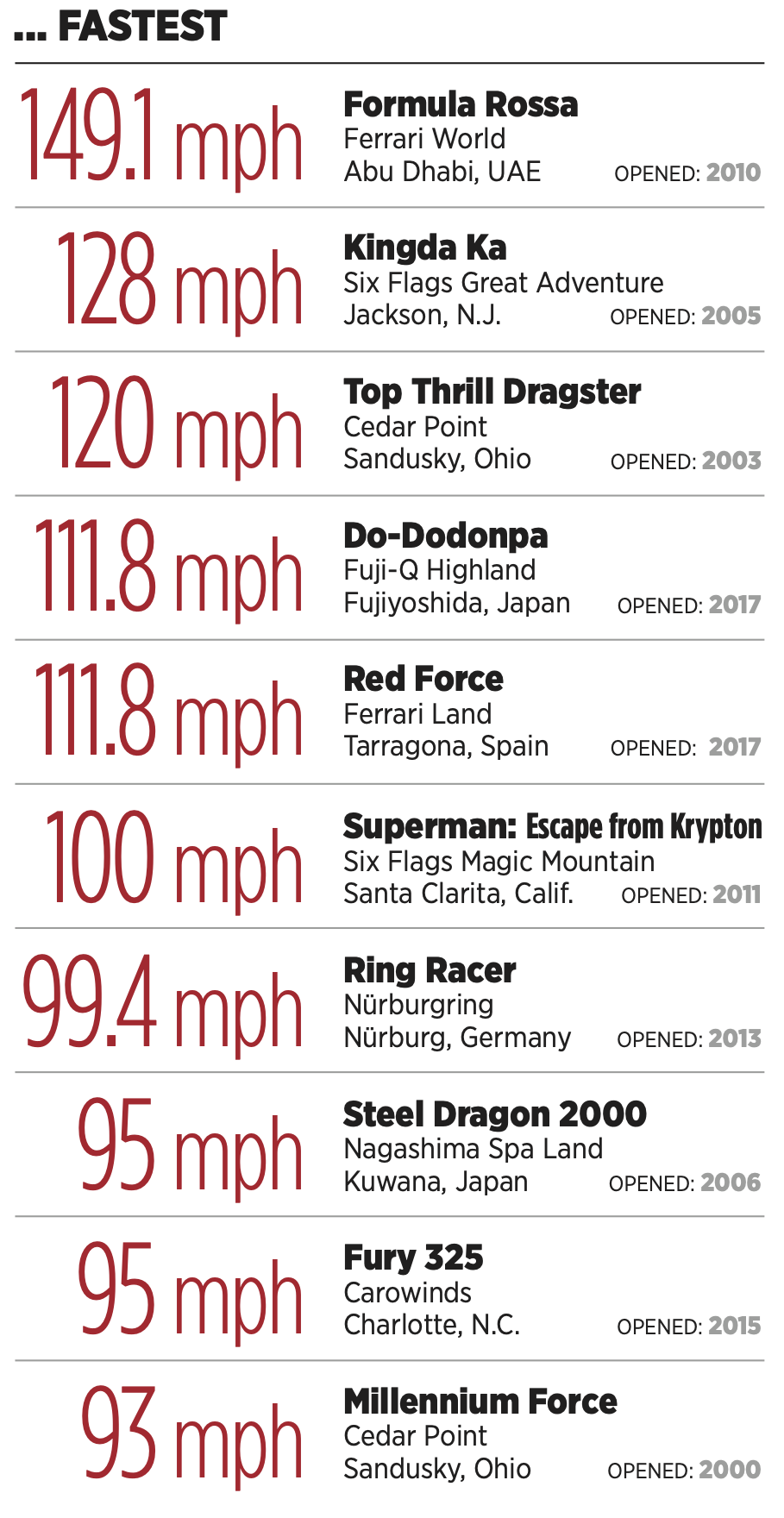
ROLLER-COASTER SUPERLATIVES