
Gardening: Heirloom seeds historic varieties, but can need a little extra care
Mother Nature reminded us who’s still in charge last weekend. It was cold enough that there might be some damage to emerging buds, but remember, plants are tough. There is a reason buds swell a little bit or bulbs poke a few inches out of the ground and then just sit. They are testing the conditions. When the temperatures are right, they will start growing. But let’s get back to planning for our spring planting.
Heirloom vegetables are popular with gardeners for a variety of reasons. They are open pollinated so you can save the seed at the end of the season and then plant them in the spring with the expectation of getting the same fruit or vegetable. Hybrid seeds won’t come true the following seasons because of how they were developed.
Many heirlooms were created in places with warmer summers and longer growing seasons. Growing heirlooms in our short season is a challenge. Growing them here will take a season-extension effort so they can be planted as early as possible in the spring and protected from frost in the fall. That means using some floating row cover and PVC pipe to cover the plants through the end of June and then covering them again in late August as the crop ripens.
One of the better catalogs for heirloom vegetables and fruit is the Seed Savers Exchange, a nonprofit based in Iowa. For 45 years, the exchange has been preserving old varieties of seed from around the world and making them available to gardeners. It also maintains a seed bank to preserve the seed genetics and a forum where you can share your seeds. Check them out at seedsavers.org.
One of the fun parts of the catalog is reading the stories about how the varieties were found or developed. Here are a few with an interesting story.
Brandywine tomatoes are popular here for their incredible flavor. According to the catalog, the tomato was named for Brandywine Creek in Chester County, Pennsylvania, and introduced to the seed trade by Johnson and Stokes Seed Co. in 1889. Brandywine is an 80-day tomato that will need protection to ripen.
One of the catalog’s best pepper varieties is King of the North grown by Fedco Seeds in Waterville, Maine. This blocky sweet pepper does well in cool summers and matures in 70 days from transplant.
Two local heirlooms are represented in the catalog. Inchelium garlic was found in Inchelium on the Colville Indian Reservation north of Spokane. If the story is true, this is the oldest variety of garlic in North America and was grown by the San Poil Indians before the arrival of Europeans in the late 1700s.
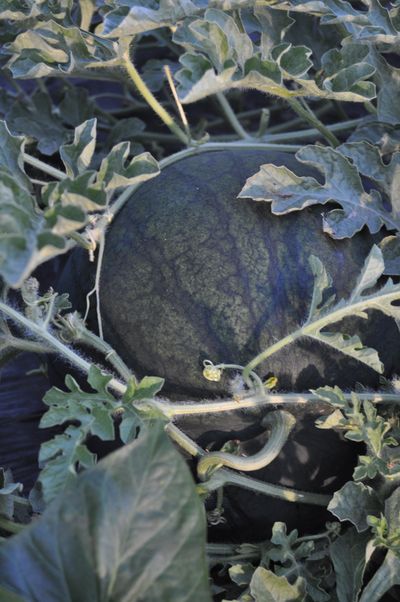
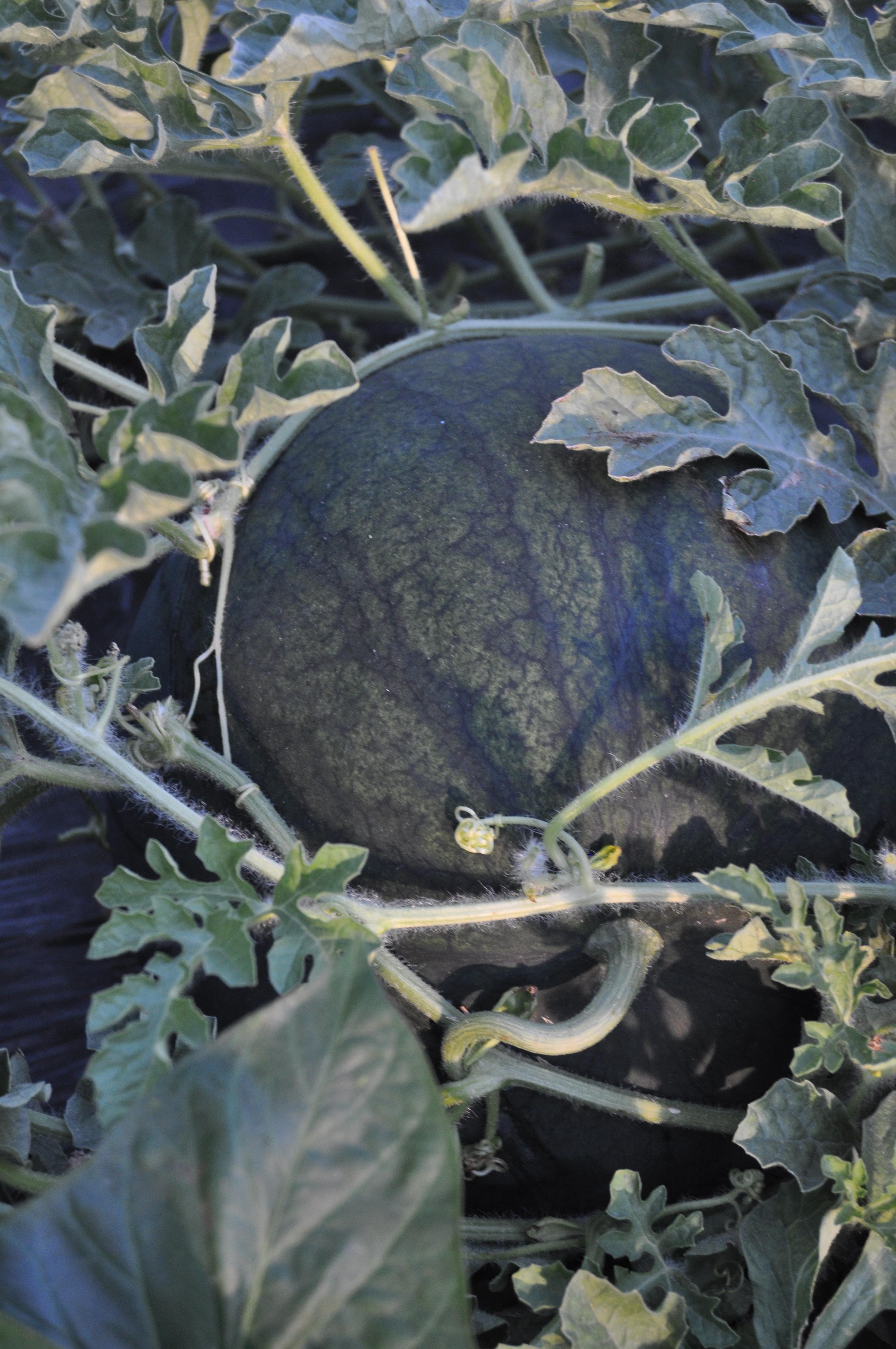
Another one is Blacktail Mountain watermelon which was developed by Seed Savers Exchange member, Glenn Drowns in the 1970s in North Idaho. It is a 65- to 75-day melon that does well in cool nights down to 43 degrees. I’ve grown this one and if we get a hot summer it does well.