
Mississippi city shows how extreme weather can trigger a clean water crisis
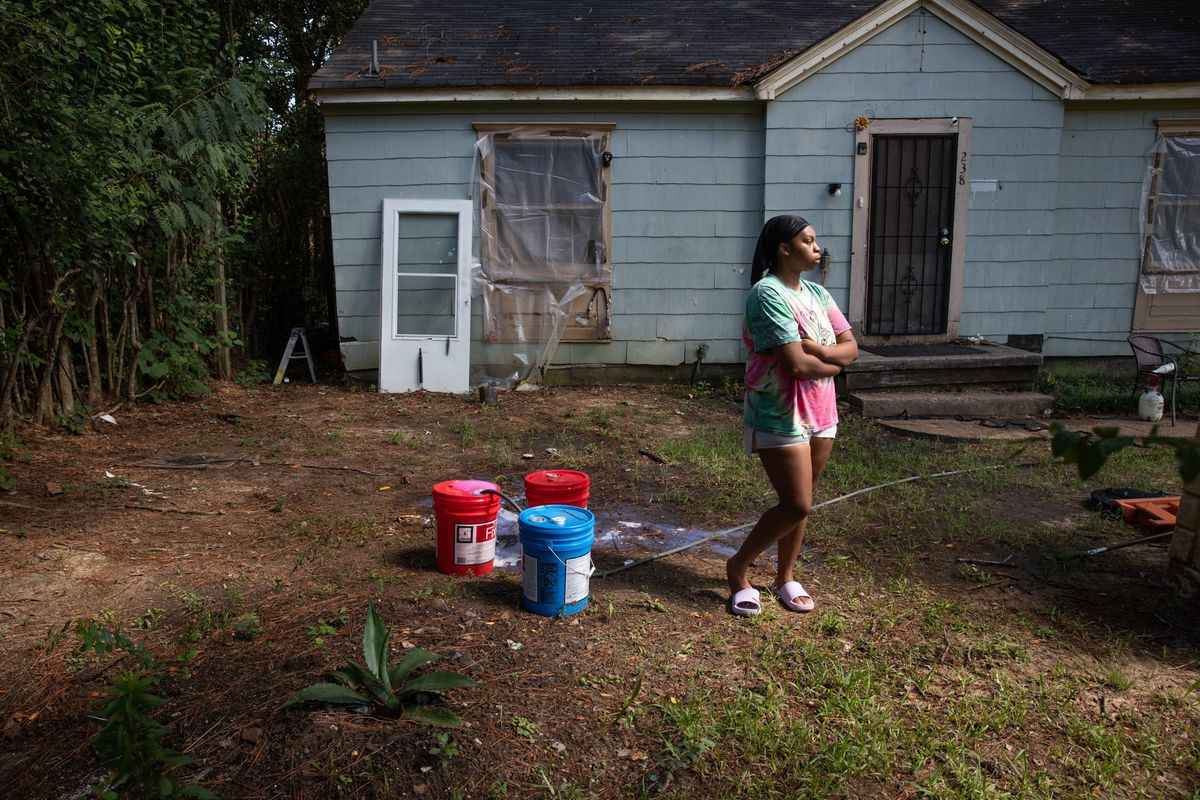
The water crisis unfolding in Mississippi’s capital this week has forced schools to shift to virtual learning, led to widespread distribution of bottled water and left Jackson’s mostly Black population without adequate pressure to reliably flush toilets or fight fires.
The crumbling water infrastructure in Jackson – where roughly 150,000 residents were under a boil water notice even before heavy rainfall and river flooding overwhelmed the system this weekend – has been plagued by decades of underinvestment and deferred maintenance.
But it also portends what could soon happen in other U.S. communities, as climate change’s worsening impacts push under-resourced and overburdened water systems to the brink.
“Every public drinking water system in the country is vulnerable to a natural disaster,” said Andrew Whelton, an environmental engineer at Purdue University who has advised utilities and the U.S. Army on water safety issues. “But many are not actually prepared to respond in the way they’re going to need to be.”
Generations-old sewers are routinely overwhelmed by bigger storms. Algae blooms and excess sediment may contaminate reservoirs amid high temperatures and prolonged drought. Rising sea levels can stymie septic systems and cause saltwater to leach into wells. When wildfires destroy water mains and spread chemical contamination, it may take months for drinking water to become safe again.
But experts say the danger is greatest in places like Jackson – low-income communities of color dealing with fragile and failing water infrastructure. A 2019 study reported in the Annals of the American Association of Geographers found that Black, Latino, Native American and Alaska Native households are disproportionately likely to be “plumbing poor.”
“You cannot define structural racism any more clearly than the infrastructure management in this country,” said public policy researcher Andre Perry, a senior fellow at Brookings Institution, a Washington, D.C., think tank. Unequal water systems “literally lay the groundwork for racial disparities,” he added. And climate change intensifies the harm.
Though Jackson’s water quality struggles date back decades and involve a tug-of-war between state and local officials over responsibility, it was a month of historic rainfall that tipped a persistent problem into the current emergency.
A large, slow-moving storm swelled the Pearl River past flood stage and caused water to spill into the streets. The rainfall and subsequent flooding strained the city’s primary water treatment plant; pump failures compounded the damage, leaving the city unable to provide a steady flow of safe water.
When water pressure drops, as it did in Jackson, it also allows contaminants to get into the system, Whelton said. Floodwaters laden with microbes seep through holes in the pipes. Soil toxins and spilled chemicals can find their way into the drinking supply. When a community’s water infrastructure is old, corroded or exposed to the elements, it becomes that much easier for contamination to leach in.
In Jackson’s system, which contains 1,500 miles of water mains, Whelton said pressure dropped so low that the water wasn’t only unsafe to drink – it could not even reach the ends of pipes.
“That means you have lost complete control of your water system,” he said.
The result has been startling to those outside Mississippi, but not surprising to those who have wrestled with Jackson’s frail system.
“I have said on multiple occasions that it’s not a matter of if our system would fail, but a matter of when our system would fail,” Jackson Mayor Chokwe Antar Lumumba said during a news conference Tuesday.