
The magic behind the Police gem Synchronicity
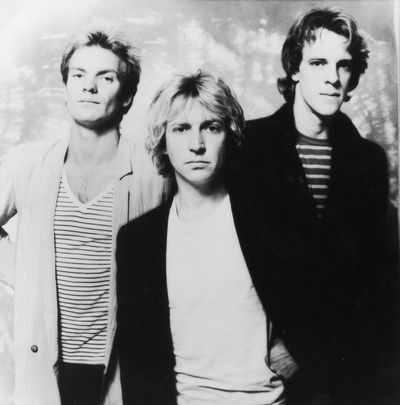
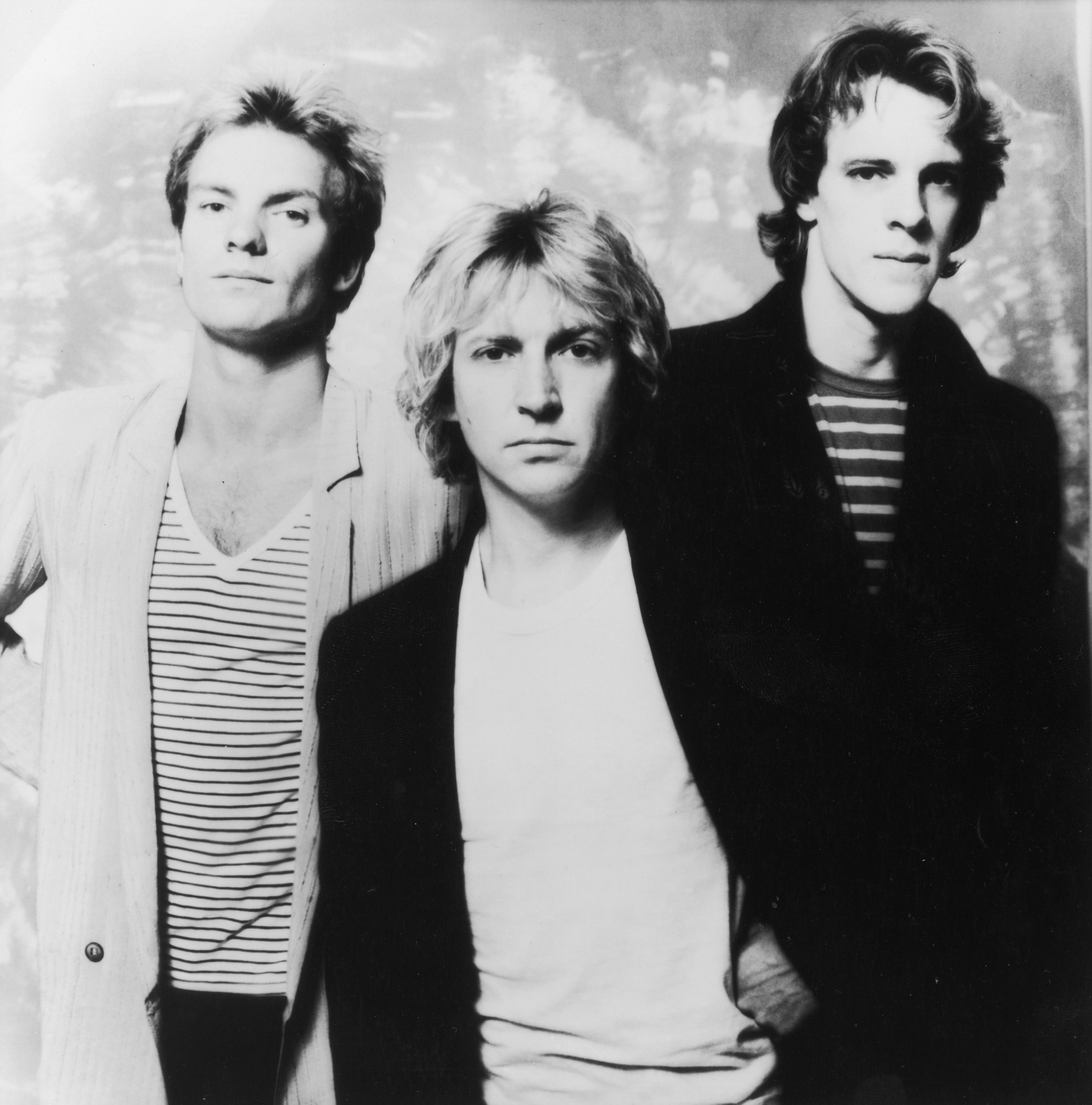
The songs of the summer of 1983 emanated from “Synchronicity.”
The fifth and final Police album was filled with complex hits embraced by radio. The often misunderstood “Every Breath You Take,” which is not a love song but the story of a stalker, was the biggest U.S. and Canadian hit of 1983. The most successful single of Sting’s career topped the Billboard Hot 100 for eight weeks, making it the tune of the season.
“Every Breath You Take,” which won a pair Grammys, for Song of the Year and Best Pop Performance by a Duo or Group with Vocals, is estimated to generate a third of Sting’s music publishing income, and was the only Police song to hit the top of the Billboard Hot 100.
The catchy and cerebral tune is one of the many great songs written by Sting for an album that was only marred by a pair of throwaway tracks by former Police bandmates, guitarist Andy Summers and drummer Stewart Copeland.
It was no surprise that after the group toured behind “Synchronicity” that Sting went solo.
Saxophone virtuoso Branford Marsalis, who joined Sting for the recording of his solo debut album, 1984’s “The Dream of the Blue Turtles,” recently broke down “Every Breath You Take.”
“Look at “Every Breath You Take,” Marsalis said while calling from Warsaw, Poland. “It’s essentially blues with a bridge and it’s brilliant.”
It’s all due to Sting, according to Marsalis, who has performed on nine of Sting’s studio releases.
“Sting is one of the greatest songwriters ever and he (is gifted at) the bass,” Marsalis said. “Sting has great musical instincts.”
It’s all on display throughout “Synchronicity.”
The melancholic “King of Pain,” the elegant “Wrapped Around Your Finger” and the surging “Synchronicity II” each reached the charts.
No other album from 1983 has sold more than “Synchronicity,” which is approaching 37 million copies sold. Few albums from the 1980s have aged as well.
“Those songs are still resonant since Sting is such an exceptional writer,” Marsalis said. “Sting is on his own level.”
It was no surprise that Sting left the Police since he had other ambitions. But the Police era is akin to the brief period of Simon & Garfunkel. Much was accomplished during a half-decade. Despite all of the success, Sting has received a bum rap for being pretentious.
“Sting had the audacity to read (Vladimir) Nabokov and write about it in song (“Don’t Stand so Close to Me”), but some people felt like he was a snob for doing that,” Marsalis said. “That’s ridiculous.
“So what, Sting read “Lolita” and made a reference to it in song. Sting is incredible. He’s 70 but sings like he’s 30 because he takes care of himself. I can see why people are envious of him.”
There are those that are jealous and then there are the fans who support his current tour and are rewarded. “Every Breath You Take” and “King of Pain” are staples in Sting’s set 40 years after the groundbreaking Police album was released.
Sting is the Derek Jeter of rock. Both were under an intense microscope, but neither was in any sort of trouble throughout their well chronicled careers.
“Americans like their sports heroes and musical heroes to be flawed,” Marsalis said.
“Americans have a harder time with those that are talented that don’t seem to have any issues. There’s been no controversy around Sting, going back to his days with the Police. It’s always been about the music and that goes back to his Police days. That goes back to ‘Synchronicity,’ which is a special album since it sold a ton and critics understandably loved it.”