
Increased funding could help open trails
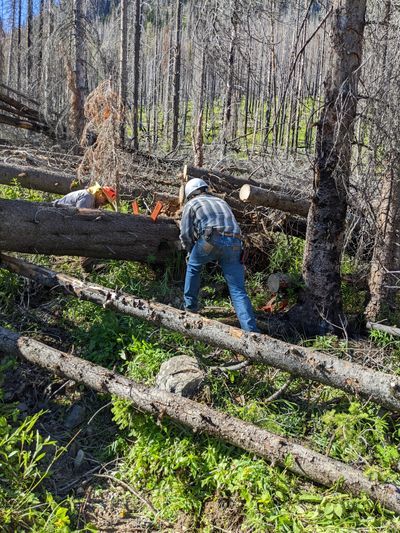
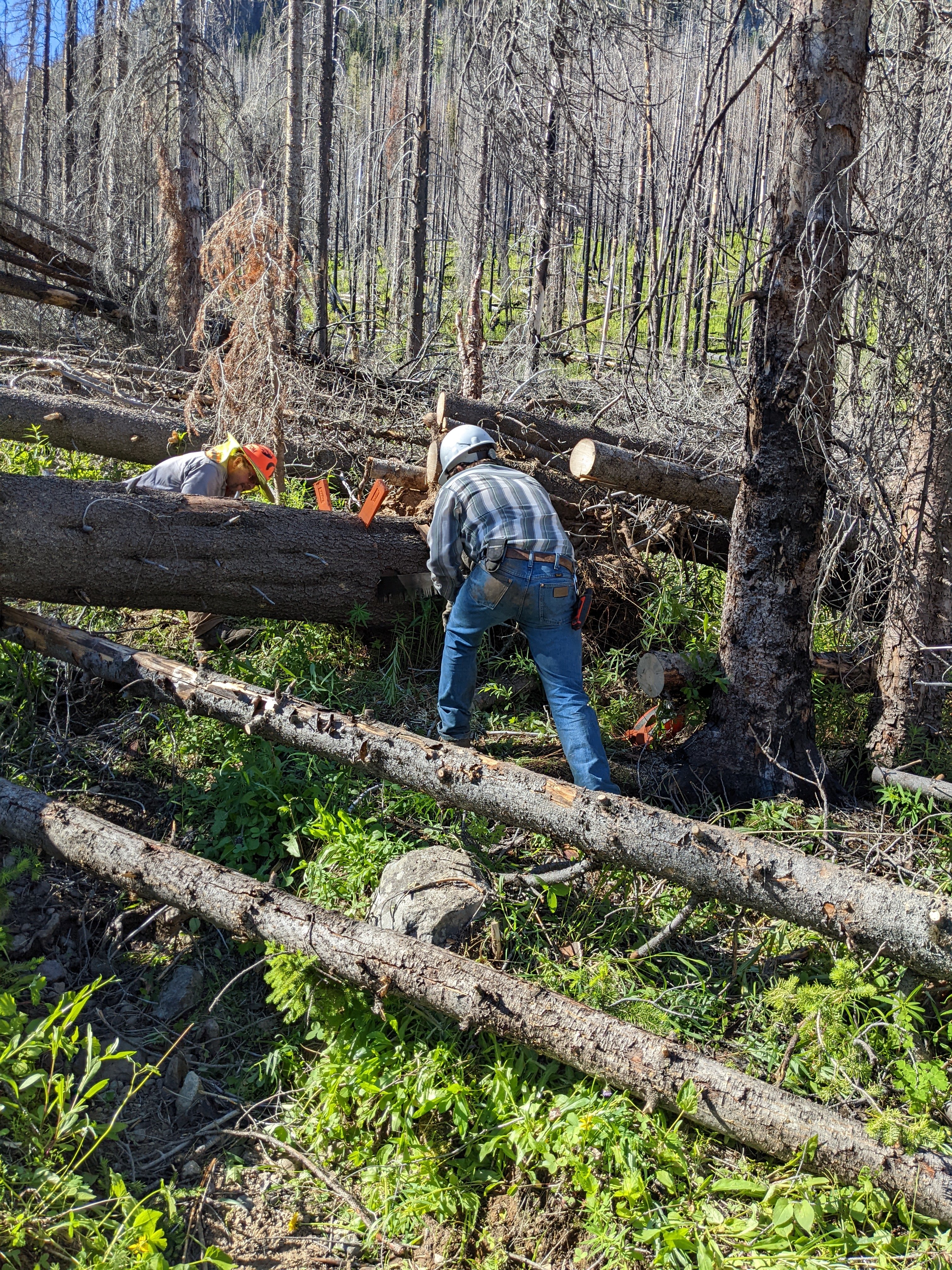
Forest Service officials say an increase of funding this year should improve trail maintenance in the region, including the Pasayten Wilderness.
Partly in response to 2022 being notably bad for blowdowns in fire-ravaged areas, the Okanogan-Wenatchee National Forest has higher priority in federal funding, officials say.
A substantial influx of financial support for agency and volunteer crews stems from the 2020 Great American Outdoors Act.
“We’ll be able to make some headway on our backlog of trail maintenance,” said Tracy Calizon, Pacific Northwest Region assistant director for recreation based in Portland.
The law, enacted by Congress, established the National Parks and Public Land Legacy Restoration Fund with $9 billion over five years to support deferred maintenance projects on federal lands.
It’s been called the biggest land conservation legislation in a generation.
About $6.5 billion of that is earmarked for national parks, the rest to other wanting public lands agencies including national forests across the country.
The Pasayten will get only a fraction of the funding, but every bit helps.
“This season, the Methow Valley District will have one of the biggest trails crews in a while, with 11 on the crew with two packers and one person tending to the 22 head of stock,” said Landon Decker, district trails manager.
The Pacific Crest Trail Association and Pacific Northwest Trails Association are able to organize crews and grants for their segments in the Pasayten through their status as national scenic trails.
A 32-mile segment of the Pacific Crest Trail runs north-south through the west side of the wilderness and a 119-mile stretch of the Pacific Northwest Trail traverses it.
Several other groups are funded, including the Washington Trails Association’s Lost Trails Found Crew.
Tim Van Beek, project manager for Back Country Horsemen of Washington, scored big on a $100,000 grant from the Legacy Trail Fund for two years of work in the Pasayten.
Some of the money will be used to fund pack support that extends the range and duration of volunteer trail crews and the amount of tools and materials they can bring in, he said.
“Funds also will be used to train new packers and trail crews,” he said. “We need to build up our ranks.
“With numerous groups working together, we’re going get crews out farther to make a dent in the backlog.”
Outfitter Jess Darwood of Mazama agrees that volunteers are throwing everything they can at the trail woes, and he and other packers chip in support, too.
“But it’s still not enough,” he said. “We’ve lost trails through neglect.”