
More than 24,500 evacuated as wildfires burn in western Canada
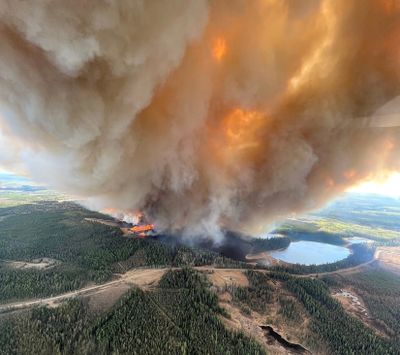
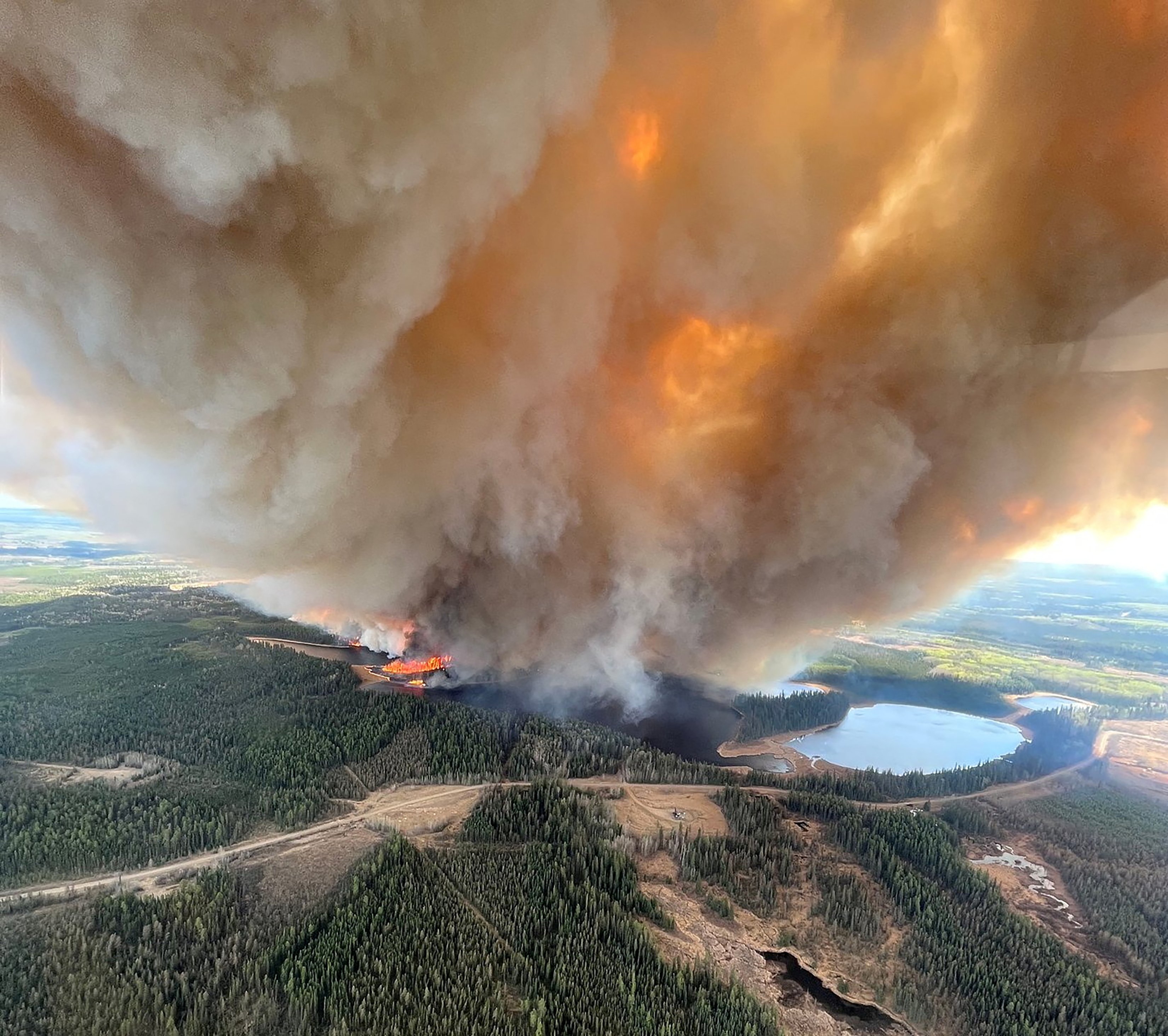
More than 24,500 people have been evacuated from the western Canadian province of Alberta, where unusually warm and dry weather has mixed with strong winds to fuel dozens of wildfires, officials said Saturday.
At a news conference Saturday afternoon, the leader of Alberta’s provincial government, Premier Danielle Smith, called the wildfires an “unprecedented crisis.” She added: “This is a rapidly evolving situation.”
The number of active wildfires across Alberta grew to more than 100 on Friday night, up from 78 earlier in the day. As of early Saturday, more than one-third were still classified as “out of control.”
In northern Alberta, 20 households, a police station and a water-treatment plant were lost to wildfire in the rural community of Fox Lake, authorities said Friday night.
Communities under evacuation order included Athabasca, Big Lakes, Brazeau, Grande Prairie and Yellowhead counties and the town of Edson, officials said Saturday afternoon.
An emergency management Cabinet committee was assembled Friday, officials said. Members were meeting Saturday to discuss declaring a provincial state of emergency, which would allow for the deployment of additional resources.
In neighboring British Columbia, the same unseasonably warm weather has caused snowpack to melt rapidly, setting off flooding and mudslides.
A number of flood warnings and other advisories were in effect across the province early Saturday.
The wildfire service said Saturday that it was responding in Prince George to four wildfires of note, those that are highly visible or pose a potential threat to public safety.
In the United States, warm, dry and windy conditions in the Southwest and the southern Plains were expected to create weather conducive to wildfires over the weekend, the National Weather Service warned in a forecast. More than 3 million people in that part of the country were under fire-related warnings or watches early Saturday.
Wildfires are increasing in size and intensity in the Western United States, and wildfire seasons are growing longer. Recent research has suggested that heat and dryness associated with global warming are major reasons for the increase in bigger and stronger fires.
In Alberta, early spring tends to be the time of greatest risk for wildfires. That is partly because spring snowmelt leaves a significant amount of dead grass and other potential fire fuel on the land.
The latest wildfires were some of about 379 recorded in Alberta this year.
“That’s significantly more wildfire activity, for this time of year, than we’ve certainly seen anytime in the recent past,” Christie Tucker, a spokesperson for the province’s wildfire agency, told reporters.
On Saturday, Tucker said 200 additional firefighters “working around the clock” would be deployed throughout the province over the next three days.
Alberta’s minister of public safety and emergency services, Mike Ellis, said Saturday that the province’s “focus right now is protecting human life.”
This article originally appeared in The New York Times.