
Volunteers woven into the fabric of Horizon Hospice and Palliative Care
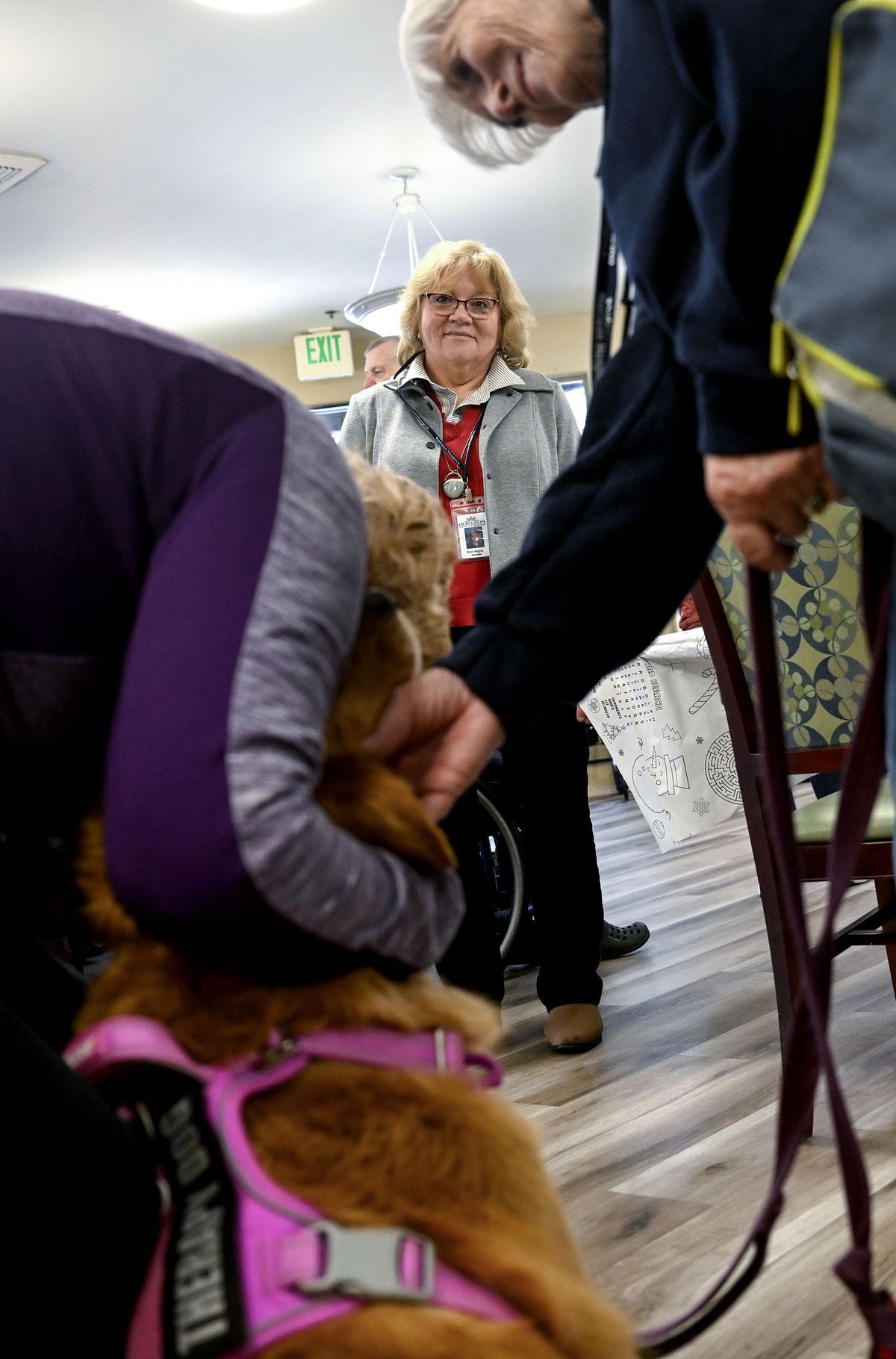
Ruth Wagley believes home is a profound place.
The volunteer coordinator for Horizon Hospice and Palliative Care said her life experience has come full circle.
“I had home births. I home-schooled my kids. Now, I work in a place where we value home death,” she said. “The heart of hospice is that no one dies alone, or in pain, and everyone can die at home.”
Although she had managed volunteers throughout her career, she had never worked for a company where that type of service was essential to the funding and operation of the business.
Medicare/Medicaid mandates that hospices provide at least 5% of patient care hours through volunteers.
“Volunteers are woven into the fabric of Horizon Hospice,” she said.
Opportunities to serve take myriad forms.
Wagley’s supervisor, Amanda Linder, appreciates the skills Wagley brings in connecting people with those opportunities.
“Ruth works closely with volunteers to ensure hospice care is the right fit for them, offering guidance and support so they feel prepared and confident in their role,” Linder said. “She creatively matches volunteers’ talents – whether quilting blankets, offering pet therapy, or sitting vigil – so each person can make a difference in a way that feels right for them.”
Last week, Kim King and Daisy, her golden retriever, met with Wagley at Fairwood Retirement Village and Assisted Living.
King and Daisy have been volunteering with Horizon Hospice for almost three years.
Daisy, a certified therapy dog, knows her way around the facility and welcomed the attention she received.
Wagley smiled.
“When you see a therapy dog, the therapy is already happening,” she said.
King spent her career as a social worker with Child Protective Services. But when her mother received hospice care, she knew that’s where she wanted to focus her time during retirement.
“I felt so drawn to hospice care and to the elderly,” King said. “They have so much to teach us. I learn about gratitude all of the time.”
She and Daisy visit both homes and assisted living facilities, and King has never forgotten one woman they met.
Therapy dogs are trained not to jump up on a patient’s bed, so King was puzzled when they visited a woman, and Daisy jumped up and lay next to her.
“The patient was so happy, and said, ‘Please, let her stay,’ ” King said. “So, I did. She died a week later. I believe Daisy knew.”
Her story doesn’t surprise Wagley.
“My volunteers always say they get more than they give,” she said.
Some use their creative abilities to add end-of-life comfort.
“I have 50 to 60 textile volunteers who make afghans and quilts,” she said. “It’s a huge privilege to be a conduit of these gifts and pass them on to our patients.”
Others commit to spending at least one hour each week with a patient. Depending on the patient’s needs, they may read aloud, sing or assist with light housework.
“Most often it’s just to be there as a peaceful presence,” Wagley said. “It’s a humbling experience to watch people give the gift of time and presence to someone they don’t know at the end of life.”
An orientation class is provided for potential volunteers. Horizon Hospice and Palliative Care requires, provides and pays for background checks, TB tests, and driving record checks for all volunteers. Their roster includes folks ranging in age from 20 to 78 years old.
Dan Renz, the chief operating officer of Horizon Hospice, values Wagley’s work.
“Two things immediately jump out when you talk to Ruth about hospice volunteer work. First is her passion for the profound impact that volunteers can have on each patient and family. Second is her deep appreciation and care for the volunteers themselves, who are going out of their way, in unseen ways, to make sure people in our community feel loved at the end of life,” he said. “I can’t think of two more fundamental things to have in a leader of a hospice volunteer program.”
Wagley said those who’d like to serve don’t need any special skills or abilities.
“We always need volunteers,” she said. “Most people who pursue hospice feel drawn to it. They have a story. You just need a heart to be with someone at the end of their life’s journey.”