
Protection sought for pink flower found only on windy cliffs north of Tri-Cities
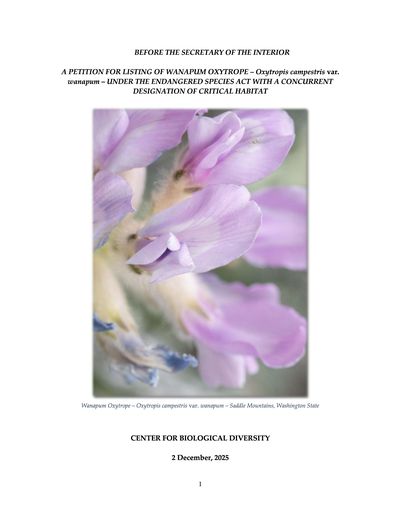
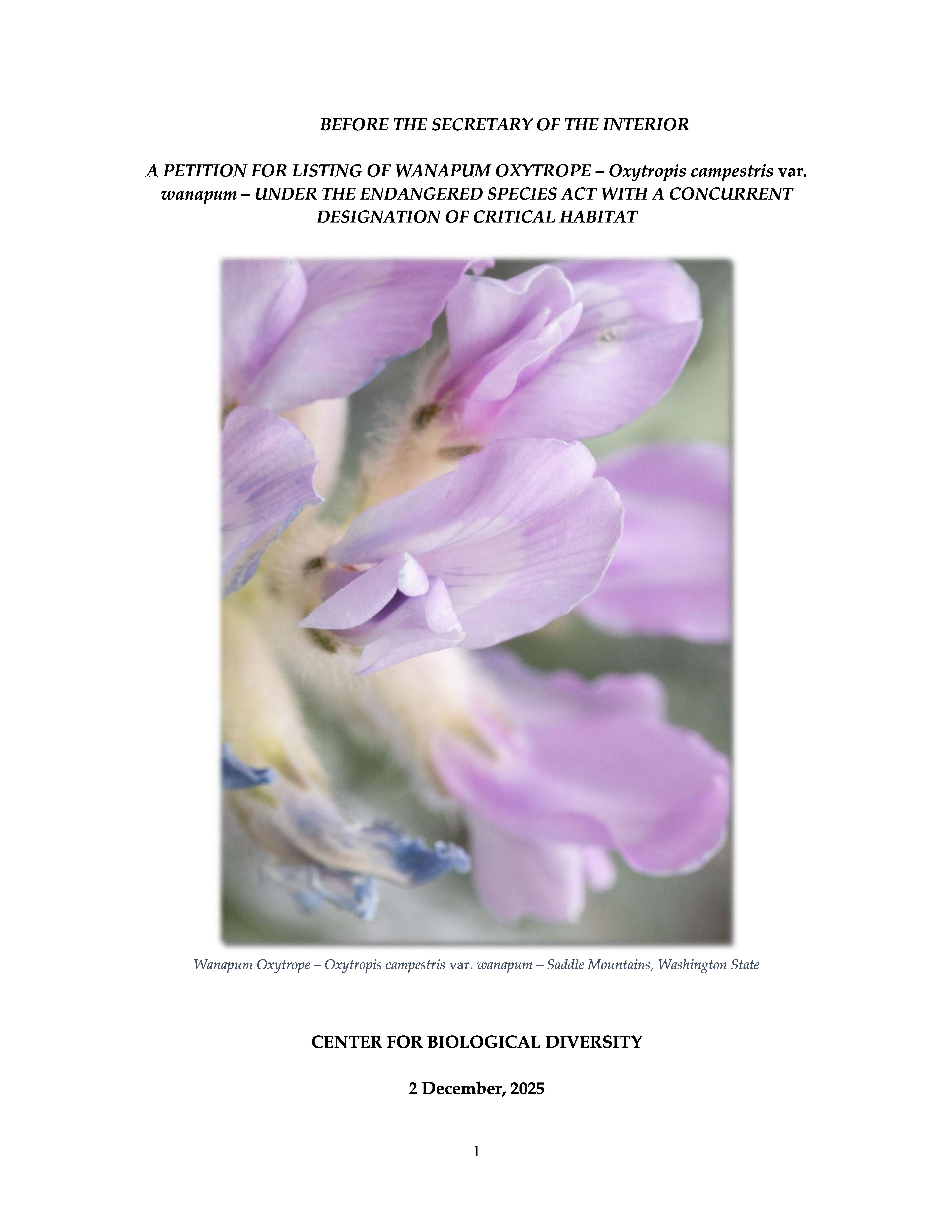
The Center for Biological Diversity is attempting to save a delicate plant with showy pink flowers that grows only along a narrow windy cliff edge in the arid Saddle Mountains north of the Tri-Cities.
Field oxytrope usually have white flowers, but the Wanapum oxytrope flowers are pink, providing evidence that they are a separate and unique variety of oxytrope, according to the center.
It has filed a petition with the U.S. Fish and Wildlife Service to protect Wanapum oxytrope under the Endangered Species Act.
“These little pink flowers have likely graced the Saddle Mountains since mammoths roamed Washington state, but without federal protections they could disappear on our watch,” said Gwendolyn McManus, a scientist at the Center for Biological Diversity.
The petition by the center said that the Wanapum oxytrope are “very rapidly approaching extinction and immediate conservation interventions are critically needed to preserve its presence on the landscape.”
The flowering plant was discovered in 1984 in southern Grant County and has been monitored by the Bureau of Land Management.
While there were more than 7,100 of the plants in 2002, that dropped to about 2,000 plants in 2024.
Threats to its survival include cattle grazing, off-road vehicles, drought and nearby wildfires that allow cheat grass to spread, which increases the risk of more wildfires, according to the center’s petition.
Biologists are especially concerned that seeds are apparently being eaten by insects or rodents, preventing the start of new plants, it found.
About 30% of Wanapum oxytrope plants grow on land owned by the federal government, with the remainder on a neighboring cattle ranch.
BLM has failed to put up fencing or to take other steps to prevent cattle from trampling or grazing on the plants, according to the center.
The 2024 study also suggested using trail cameras and traps to determine what type of animal or insect is eating the plant’s seed.
No significant conservation measures are being taken to save the plant, the petition said.
The only hope to save the Wanapum oxytrope from extinction is immediate protection under the U.S. Endangered Species Act, it concluded.
More rare
Eastern WA plants
The Center for Biological Diversity also is working to protect other rare flowering plants near the Tri-Cities.
This past fall, it sued the U.S. Fish and Wildlife Service for failing to decide whether to protect the gray cat’s eye plant, which grows only in sand dunes near the Columbia River, under the Endangered Species Act.
The largest population of the plants is in the Hanford Dunes complex, which is on the federal land of the Hanford nuclear site on the Benton County side of the Columbia River. It is in an area across the river from the Ringold Boat Launch in Franklin County.
That site and the Wanapum Dunes in Grant County upriver from the Wanapum Dam have the most viable plants.
In the summer of 2025, the Center for Biological Diversity also requested protection for Columbia yellowcress, which grows on the Hanford Reach of the Columbia River from near the northern edge of Richland to the Vernita Bridge.