
American convicted of murder Is freed by Trump from Venezuela prison
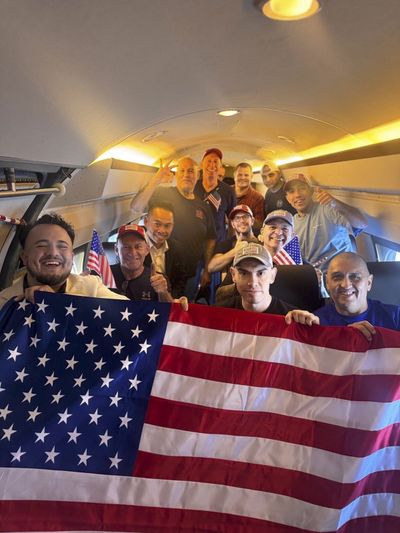
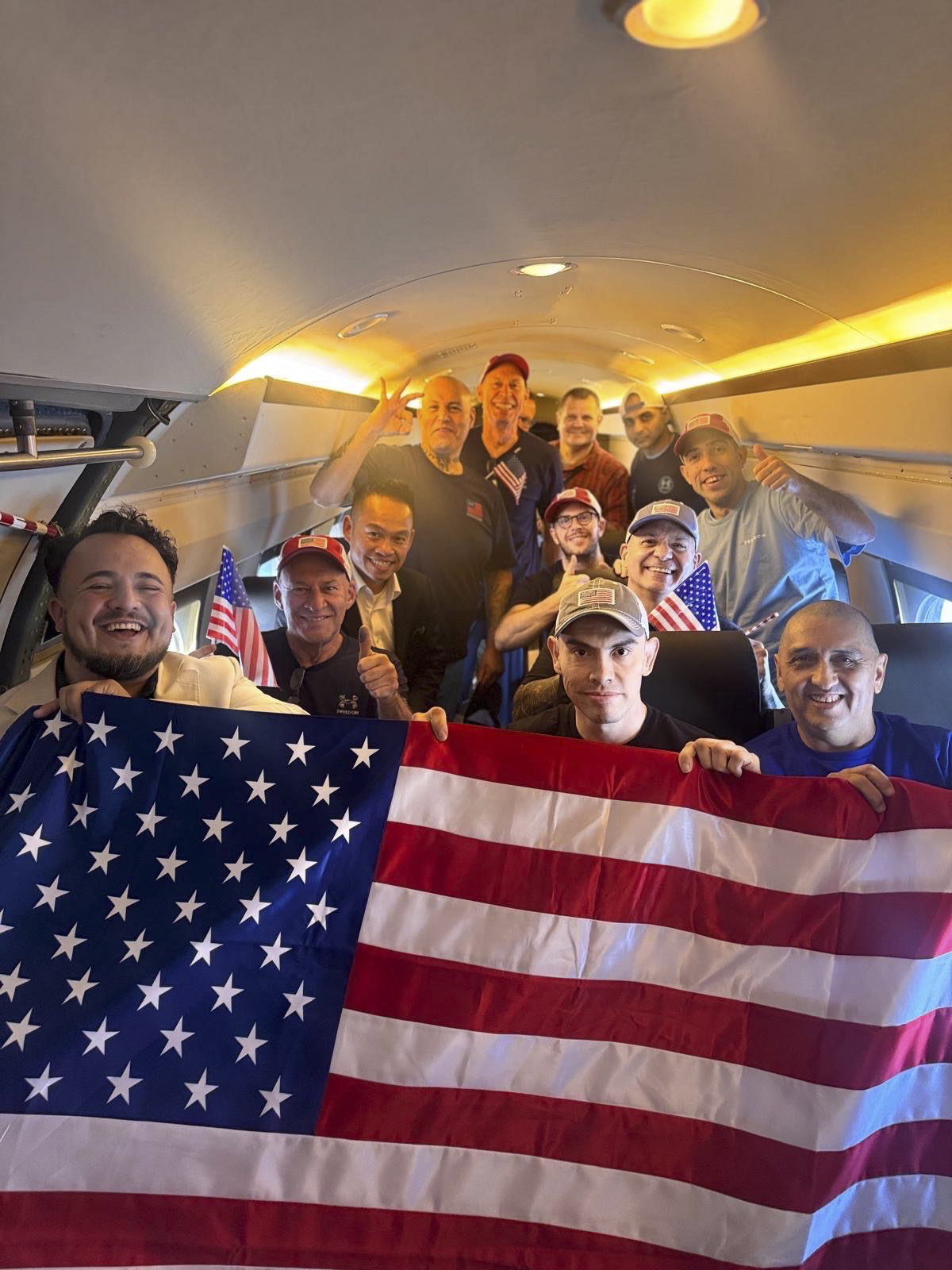
When the State Department secured the release of 10 Americans and permanent legal residents from a Venezuela prison last week, Secretary of State Marco Rubio hailed the move as part of an effort to safeguard the well-being of Americans unjustly held abroad.
But one of the men released from the prison, an American Venezuelan dual citizen named Dahud Hanid Ortiz, had been convicted in Venezuela in the murder of three people in Spain in 2016, according to an official at the prosecutor’s office in Madrid and Venezuelan court records reviewed by The New York Times.
The official asked not to be identified speaking publicly about the case.
Hanid Ortiz was sentenced to 30 years in prison in 2023 for a triple homicide committed in Madrid in 2016, according to the court documents and Spanish news media coverage.
The court records say Hanid Ortiz is a former member of the U.S. military who had planned to murder a lawyer who had a relationship with his wife. But on the June day in 2016 when he arrived at the lawyer’s office in Madrid and did not find his target, he killed two women there, as well as a man who he mistakenly believed was the lawyer.
The deaths were violent, according to an extradition request by the Spanish government that was included in the Venezuelan records. One of the women, Elisa Consuegra, was killed with a large knife or machete. The second woman, Maritza Osorio, and the man were probably killed with an iron bar. Afterward, Hanid Ortiz lit the office on fire in an attempt to cover up his crime, then fled to Germany and eventually to Venezuela.
The Spanish government tried to extradite Hanid Ortiz, but the Venezuelan Constitution prohibits the extradition of Venezuelan citizens. This led Hanid Ortiz to be tried in Venezuela, which allows Venezuelans to be tried for crimes committed outside the country.
President Donald Trump has made deporting criminals from the United States a core promise of his tenure. In recent months his government had sent more than 250 Venezuelan men to a prison in El Salvador, accusing them of being dangerous gang members and a threat to the nation.
On Friday, Trump agreed to approve the release of the men in El Salvador in exchange for 10 Americans and U.S. legal permanent residents who had been held by the government of Nicolás Maduro, Venezuela’s autocratic president.
“Every wrongfully detained American in Venezuela is now free and back in our homeland,” Rubio said after the swap.
The State Department did not respond to questions Wednesday about why the administration had decided to include Hanid Ortiz among those freed from Venezuelan detention, whether the U.S. government knew of his crimes, and whether Hanid Ortiz was allowed to go free once he was on U.S. soil.
In a statement, a spokesperson for the State Department said: “The United States had the opportunity to secure the release of all Americans detained in Venezuela, many of whom reported being subjected to torture and other harsh conditions.”
For “privacy reasons,” the spokesperson said, more information was not being released.
The records documenting Hanid Ortiz’s crimes and conviction are publicly available on the website of Venezuela’s highest court.
Two other people with knowledge of the case who were not authorized to speak publicly about the matter also confirmed Hanid Ortiz’s extraction from Venezuela by U.S. authorities.
On Wednesday, the lawyer who was the intended target of Hanid Ortiz’s attack, Victor Salas, 45, said in an interview that he had learned of the perpetrator’s release from Venezuela from German police. German officials, who he said had called him, had heard about Hanid Ortiz’s release and were concerned about the security of the convicted man’s ex-wife, who is a German citizen.
“They consider Dahud to be a highly dangerous person for the murder of three people,” Salas said.
Salas said he was also concerned that if Hanid Ortiz was free, he would come after him.
“I am completely defenseless right now,” he said. “I believe Dahud has taken advantage of Venezuelan corruption and American negligence.”
Giselle Caso, who described herself as Consuegra’s best friend, said family and friends were shocked to find that the United States had facilitated Hanid Ortiz’s release from a Venezuelan prison. She added that they were appalled to see him in photos released by the State Department, smiling in civilian clothes, appearing to be prepared for a life of freedom.
“We want to know under what terms was this man released,” she said. “Is the United States going to make him serve out his prison term?”
“This is not a political prisoner,” she added.
“These people were tortured,” Caso said. “They weren’t shot with a pistol, they were killed with a knife, and then the place was set on fire. It was a horrible way to die.”
In the extradition request, Spanish authorities say Hanid Ortiz sent an email to his wife’s sister after the murders, in which he confessed: “I did terrible things.”
“I am responsible for everything and now I am bad,” he wrote. “No one will ever forgive me for what happened.”
This article originally appeared in The New York Times.