
Texas doctor testifies about attempt to save Kennedy’s life six decades after assassination

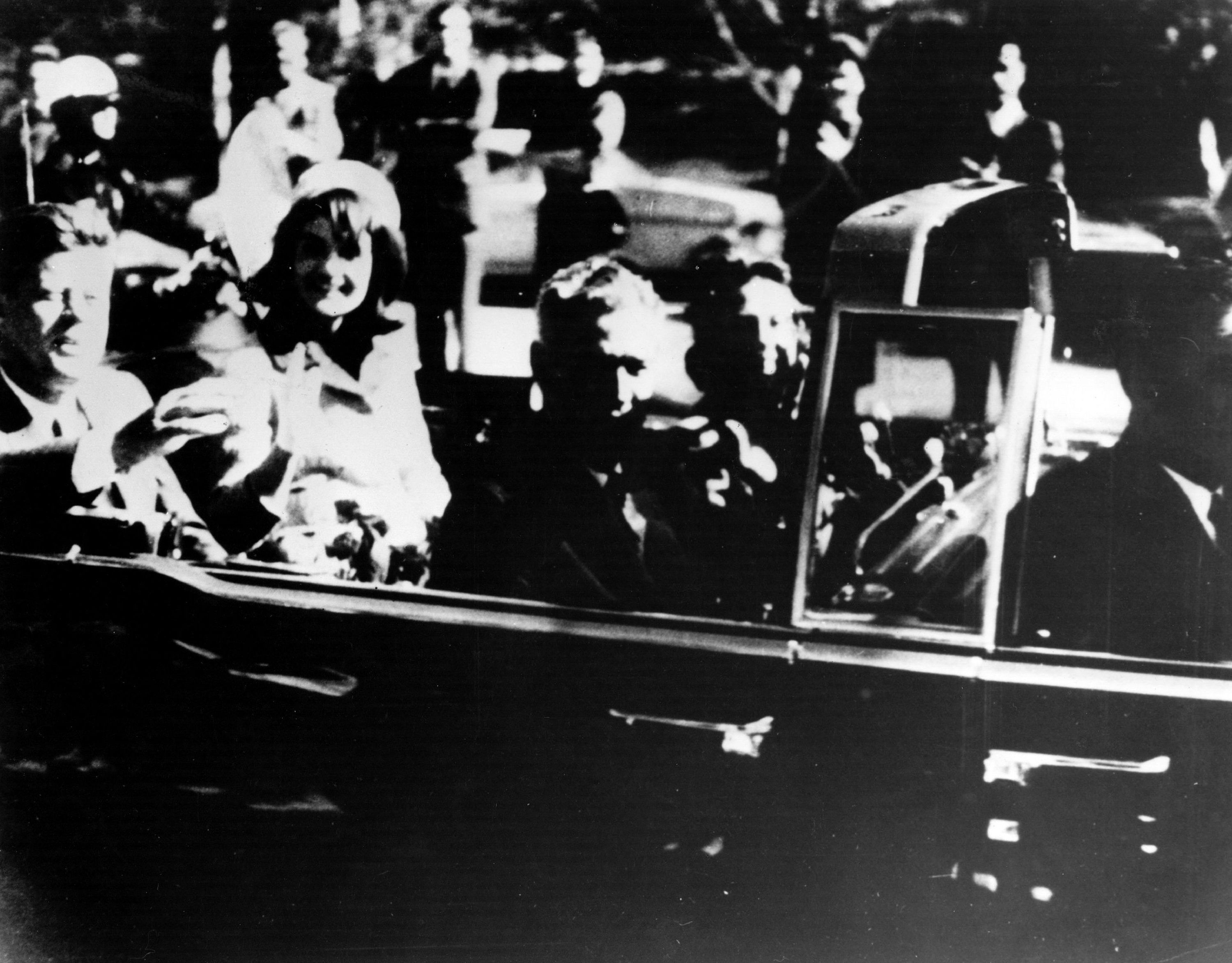
WASHINGTON – Don Curtis is among those who don’t believe Lee Harvey Oswald fired the shot that killed President John F. Kennedy.
Curtis was a 26-year-old oral surgery resident at Dallas’ Parkland Memorial Hospital when Kennedy was assassinated on Nov. 22, 1963.
He was walking by the emergency room, on his way to grab a bite to eat before surgery, when a policeman grabbed him by the shoulder and asked if he was a doctor.
When he said yes, the officer pulled him into a trauma room where a grievously wounded Kennedy lay on a gurney.
Curtis quickly joined the futile efforts to save Kennedy’s life, which ceased after another doctor declared Kennedy’s head wound too serious for him to survive.
“Nobody knew what to say,” Curtis said. “Nobody said anything for the longest time.”
Curtis, who lives in Amarillo, shared his recollections of the day alongside other witnesses Tuesday as they testified before the House Task Force on the Declassification of Federal Secrets in Washington, D.C.
The hearing focused on allegations government officials tried to block investigations into the circumstances of Kennedy’s death and withhold information from the public.
Curtis described Kennedy’s wounds as inconsistent with the findings of the Warren Commission, which was established by then-President Lyndon B. Johnson to investigate Kennedy’s slaying.
The commission found no evidence of conspiracy and concluded Oswald acted alone.
Filmmaker Oliver Stone’s controversial 1991 film “JFK” highlighted skepticism about the Warren Commission’s findings and gave air to alternate theories about how the assassination occurred and who was responsible.
President Donald Trump signed a Jan. 23 executive order for the “full and complete release” of records relating to Kennedy’s assassination.
House Republicans established the task force to delve into the JFK files and other topics.
Tuesday’s hearing was the task force’s second session. Stone and JFK researchers testified at the first one.
Curtis was deposed after the assassination by Arlen Specter, who was assistant counsel for the Warren Commission and would later serve as a U.S. senator from Pennsylvania.
Curtis said Tuesday it was clear from Specter’s questions the commission was seeking statements that would support the narrative Kennedy was killed by a bullet Oswald fired from a window in the Texas School Book Depository.
“The magic bullet was a product of the Warren Commission that doesn’t make any sense,” Curtis said.
Other witnesses at Tuesday’s hearing included Dan Hardway, a former staffer on the Select Committee on Assassinations; John Tunheim, former head of the Assassinations Records Review Board; Douglas Horne, a former staff member of the board and Abraham Bolden, a former U.S. Secret Service agent.
The witnesses cited evidence from the assassination that has gone missing and CIA moves to obstruct official investigations.
Gerald Posner is the author of Case Closed: Lee Harvey Oswald and the Assassination of JFK, which concludes Oswald acted alone.
Posner posted on X this week criticizing the hearings as a waste of taxpayer money and political theater. He said autopsy X-rays and photos are the best evidence.
The Democrats’ witness at the hearing, historian Alexis Coe, used her testimony to highlight Kennedy’s legacy as he steered the country through the Cold War, the civil rights movement and the space race.
She said Tuesday’s hearing featured charged words like obfuscation and deception but nothing in the records released over the past few months has up-ended the Warren Commission.
“No hidden truths. No real disclosures. No shocking revelations,” Coe said. “This wasn’t history disrupted — it was history remastered: a 60th anniversary re-release with better resolution. The same ending.”