
U.S. shutdown sends airlines scrambling as travel chaos looms
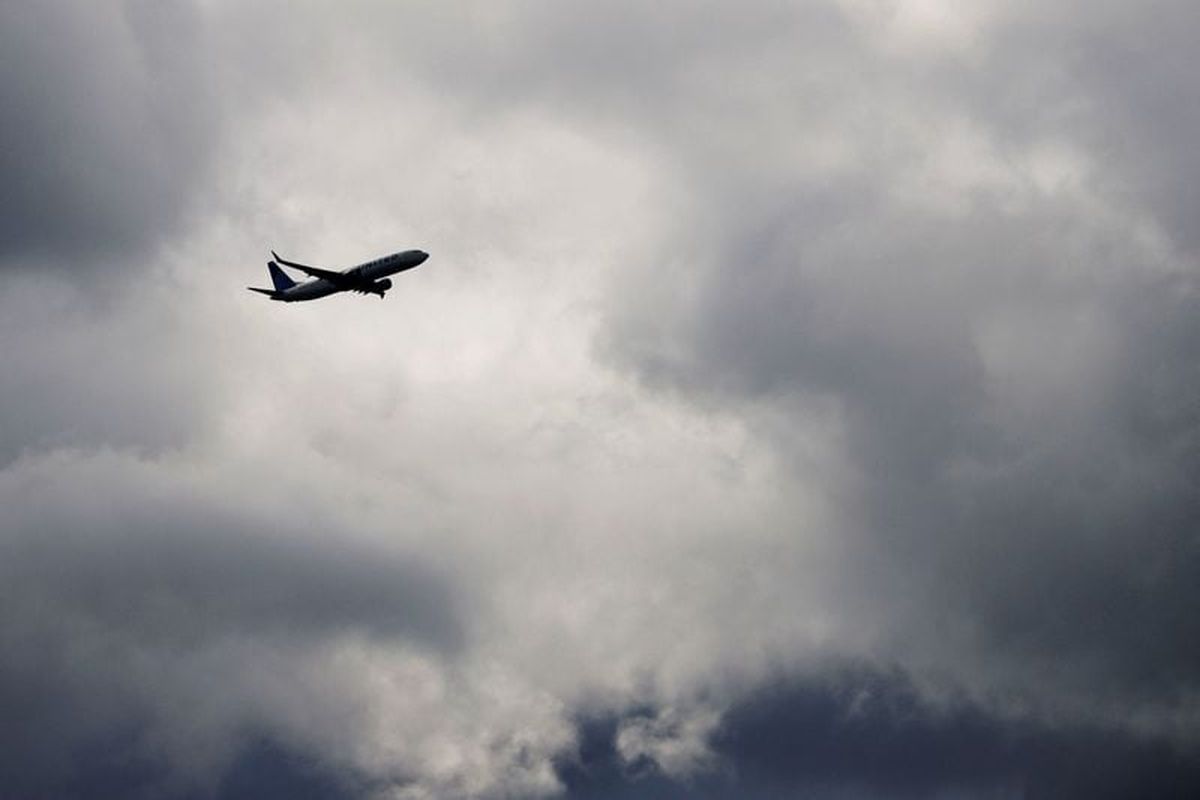
U.S. airlines were scrambling on Thursday to redo schedules and fielding a flood of customer queries after the federal government ordered flight cuts at some of the nation’s busiest airports, the latest travel disruption from the prolonged government shutdown.
Transportation Secretary Sean Duffy said Wednesday he would order steep cuts, citing air traffic control safety risks from the government shutdown.
The reductions will affect 40 “high-volume” markets, including several popular destinations and connecting airports for Spokane travelers, like Portland, Seattle, Denver and Salt Lake City. The latter three were the top destinations for the record setting 4.26 million travelers through Spokane International Airport last year, according to the Bureau of Transportation Services.
When reached for comment about how the cuts could affect Spokane travelers, airport spokeswoman Alannah Toft directed The Spokesman-Review to a statement posted to the airport’s social media.
While the airport is not on the list of markets most greatly affected, Spokane International Airport is part of a “national, interconnected airport system,” the statement notes.
“At this time, we do not know of any direct impact to flights to and from Spokane – and as a standing practice, it is not common for carriers to share granular, flight-specific operational updates with ‘spoke’ airports like GEG,” the statement reads.
The airport is advising travelers to stay up-to-date with their specific flight information through the airline.
Delta Air Lines said on Thursday it will begin reducing flights from Friday to comply with the directive but expects to operate the vast majority of its schedule as planned, including all long-haul international services.
Alaska Airlines, Spokane International Airport’s busiest airline, followed with a similar announcement. While international flights are not expected to be impacted, Alaska will begin canceling flights Friday to comply with the FAA directive.
Alaska Airlines will focus the cancellations on routes that are frequently traveled to allow for easier reassignments, and to protect “smaller and remote communities that are reliant upon air travel,” according to a statement from the airline posted to social media.
Travelers who are impacted by an Alaska Airlines cancellation will be refunded or reassigned flights, the airline said.
“We remain grateful to every air traffic controller and TSA or CBP officer who is working without pay to keep air travel functioning safely,” the post reads. “We continue to strongly urge our federal leaders to reach an immediate resolution and end the shutdown.”
The shutdown, now the longest in U.S. history, has forced some 13,000 air traffic controllers and 50,000 security screeners to work without pay, raising fear of travel disruptions during the upcoming Thanksgiving holiday.
Staffing shortages have already caused tens of thousands of flight delays nationwide, with airlines estimating that at least 3.2 million travelers have been affected.
Industry sources told Reuters the first round of reductions, which cuts about 4% of scheduled flights, will take effect as soon as Friday. The cuts will rise to 5% on Saturday, 6% on Sunday, and reach as much as 10% by next week if the shutdown persists.
Cuts threaten busy holiday travel
Unless the government reopens, the drastic plan threatens to throw holiday plans into chaos for millions of Americans traveling for Thanksgiving, marking one of the most visible ripple effects yet from the record-long government shutdown.
“They (the airlines might) have some flexibility on prices, but if this shutdown goes on much longer than that should have a negative effect overall,” said David Morrison, senior market analyst at Trade Nation, UK.
Airlines including United Airlines, American Airlines and Southwest were inundated with passenger queries on social media platforms like X, as flyers sought clarity on travel plans.
“Please, you and your fellow airlines – for Thanksgiving week – issue all cancellations at least a week in advance,” one X user urged in response to United’s post outlining flight reductions.
“Don’t make people wait to find out if they can fly home for the holiday.”
The Federal Aviation Administration is expected to formally issue the order for flight reductions later in the day.
The move aims to ease pressure on controllers, with the FAA short about 3,500 staff and many working mandatory overtime and six-day weeks even before the shutdown.
“This is a fluid situation, but we believe the impact is more manageable than headlines imply…,” TD Cowen’s Tom Fitzgerald said.
Even in a worst-case scenario where the shutdown extends through the rest of the quarter, it would put about 2.5% to 3% of fourth-quarter capacity (available seat miles) at risk, Fitzgerald added.
Carriers stressed they would try to minimize disruption for customers and rebooking efforts were underway.
United CEO Scott Kirby said the airline will target its cuts on regional flying and nonhub domestic routes and the carrier expects to rebook many affected travelers.
“I guess the good news is that we’re in a low-demand period in November,” Frontier Airlines CEO Barry Biffle said on Wednesday, adding that the flight reductions could even help the carrier’s unit revenue.
Spokesman-Review reporter Nick Gibson contributed to this report from Shivansh Tiwary and Johann M Cherian of Reuters.