
River Selby looks at inequality, gender structures on fire line in debut memoir ‘Hotshot’
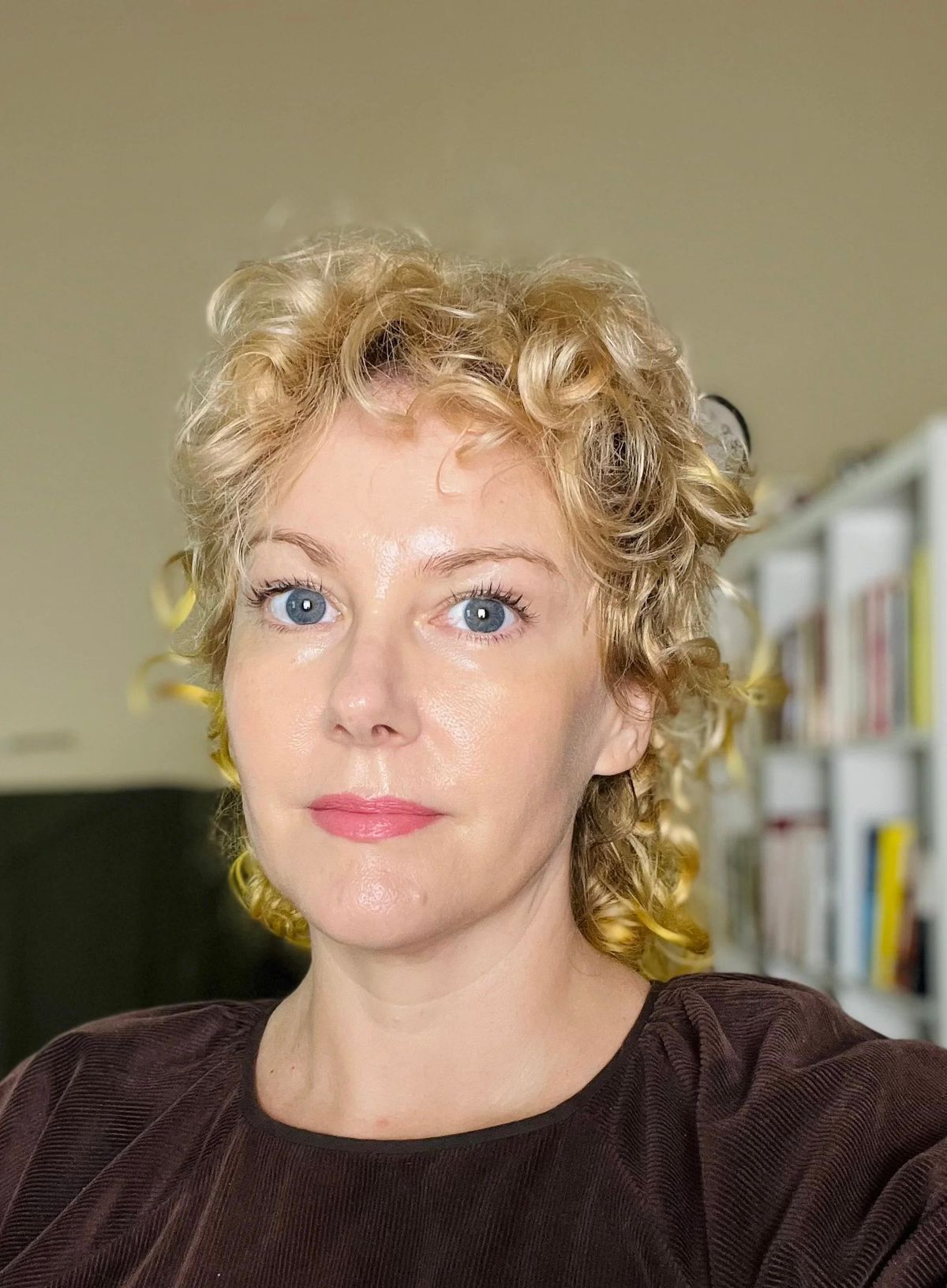
When Ana first became a hotshot, she was barely surviving, struggling with hard drugs, an eating disorder and low self-worth. This is the person River Selby wrote the book “Hotshot” for – their 20-year-old self who couldn’t imagine how far they would come.
On Monday, Oct. 20, Selby will join Northwest Passages to talk about their debut memoir, “Hotshot,” an account of their time as a wildland firefighter that blends personal narrative and scientific research to analyze the systems and people that protect and destroy our natural environment.
“I wanted to expose the structures of inequality, the structures that kind of put everyone in a bind,” Selby said. “All the guys that I worked with were also subject to scrutiny based on how macho they seemed or how they performed. I think that as far as feminism played into it, I didn’t want this to be a book that was about my experiences of sexual harassment only, and me saying, look how bad all these men are. I wanted it to be about, look at these systems and how we all suffer in these systems.”
Though Selby uses they/them pronouns, “Hotshot,” which tells their story, uses she/her pronouns and the name “Ana.”
“I write about myself as a woman, and that’s because I didn’t have the language to understand that I was nonbinary,” Selby said. “I was really trying to inhabit a role, a gender role that didn’t fit me, and it took me a long time to realize that.”
Selby’s book took a vantage point of the forest and the trees – their individual experience combined with historical and scientific research.
“I probably read at least 100 books, and read and skimmed at least 100 academic articles, and also read a lot of journalism,” Selby said. “I really had to absorb a lot of knowledge so that it could come out of me organically.”
Selby gave the example of Alaska and Florida.
“There’s a chapter that is about the similarities and differences between Alaska and Florida and the ways that they burn,” Selby said. “I wouldn’t have been able to do that unless I had really read very widely on how fire works throughout the U.S., and also the fire histories of both of those places, which are both very complex.”
“Hotshot” referenced Indigenous knowledge, calling to attention how it is aligned with sustainable management of forests and other natural areas.
“When I was a firefighter, I didn’t really know the history of Indigenous fire and Indigenous land tending practices at all,” Selby said. “When I started learning more about that, I knew that had to be a main thrust and a main argument in my book, that we prioritize Indigenous nations, Indigenous people. I wanted to make an argument for them leading the way as far as new fire policies.”
In addition to the research Selby did for the book, they also read a lot of firefighting and job memoirs.
“One thing I noticed is that a lot of them left out the really messy complications of the person who is doing the job, and were more about the job itself and how the job affected the person,” Selby said. “There’s a very high rate of suicidal ideation and suicide amongst firefighters. There are high rates of mental health issues.
“It’s a very difficult job, and I wanted to show the reader the whole person, because firefighters are whole people.”
This was why it was important to Selby to render each character’s full humanity when telling their story. They didn’t see anyone in the book as a true villain, and wanted to tell their stories as completely as possible. This is exemplified in the way Selby portrayed their mom, who Selby had a difficult relationship with; Selby recalled that the first time they ran away, they were 12, and their mom had supplied them with $13.
“I have a lot of compassion for her,” Selby said. “I’ve been in therapy for a long time, talking about her and my relationship with her. I still write about her, and I will write about her again.”