
EHD, bluetongue turn up in North Idaho
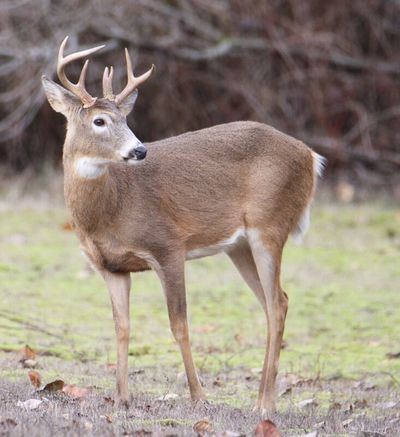
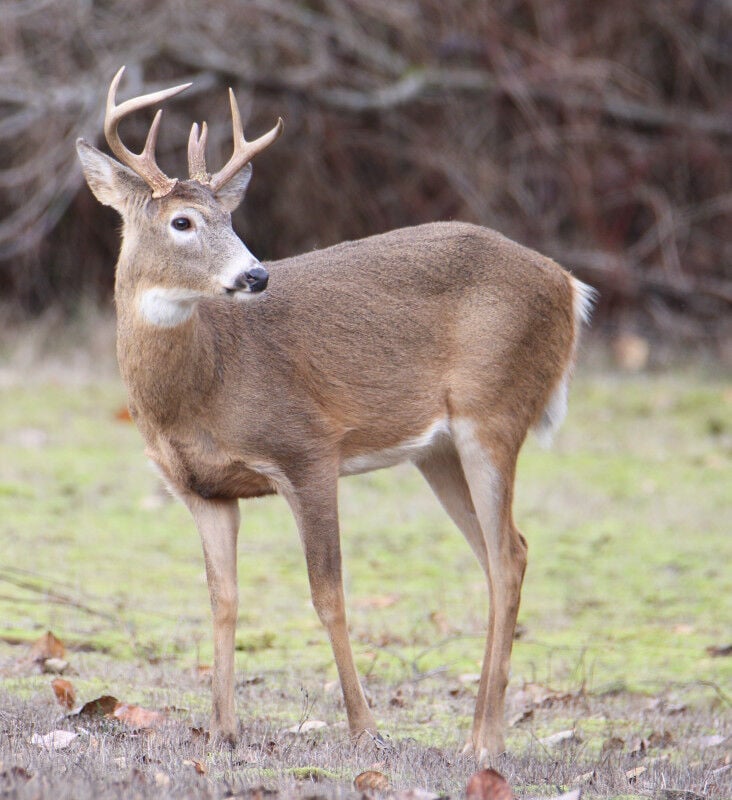
A pair of deer diseases exacerbated by hot and dry conditions are showing up in more places in the Inland Northwest.
The Idaho Department of Fish and Game announced Tuesday that deer in its Panhandle region tested positive for epizootic hemorrhagic disease and blue tongue.
TJ Ross, an Idaho Fish and Game spokesman, said the agency had received about 200 reports of sick or dead deer in the region as of Tuesday afternoon.
He said reports started coming in about three weeks ago and that test results received last week for individual deer near Hayden Lake and St. Maries confirmed the two diseases were present. He added that the reports were coming in from all over the region, which covers Benewah and Shoshone counties and stretches north to the Canadian border.
The news comes after the diseases were confirmed in deer southeast of Lewiston and in several areas in Eastern Washington. Also on Tuesday, wildlife officials in Montana announced outbreaks of the diseases in the southeastern part of the state.
EHD and blue tongue are separate diseases caused by the same thing – biting midges. Outbreaks are more common in severely dry years, when some watering holes may dry up and cause deer to congregate in greater number in areas with a large population of the biting midges.
Idaho Fish and Game said in its news release that outbreaks of the diseases occur periodically in the Panhandle and Clearwater regions, and that they can kill off lots of deer in localized areas. Ross said the last major outbreak was in 2021.
The diseases are entirely separate from chronic wasting disease, which is also present in North Idaho and Eastern Washington. EHD and bluetongue can cause deer to act strangely and in many cases are fatal. Infected deer can die within one or two days in some cases. They also might stop eating and become emaciated.
Humans can’t be infected with the disease, but wildlife officials advise hunters not to eat meat from infected animals.
No treatment exists for the diseases. Wet weather can slow the spread, but a hard freeze is what’s needed to kill the disease-carrying biting midges and stop the outbreak.
Until that happens, Ross said, the number of cases “is going to continue to climb.”
Reports of sick and dying deer in Eastern Washington started trickling into the state Department of Fish and Wildlife in the first week of September. Last week, the agency announced that it was seeing outbreaks primarily in Stevens and Spokane counties, though reports had come in from elsewhere.
Test results confirmed the agency’s suspicions. Staci Lehman, a WDFW spokesperson, said this week that testing confirmed EHD in three deer from Colville and one each from Walla Walla and Deer Park. She added that they were still waiting on test results for an elk from the Palouse area.