
Low snowpack likely to mean low rivers this summer
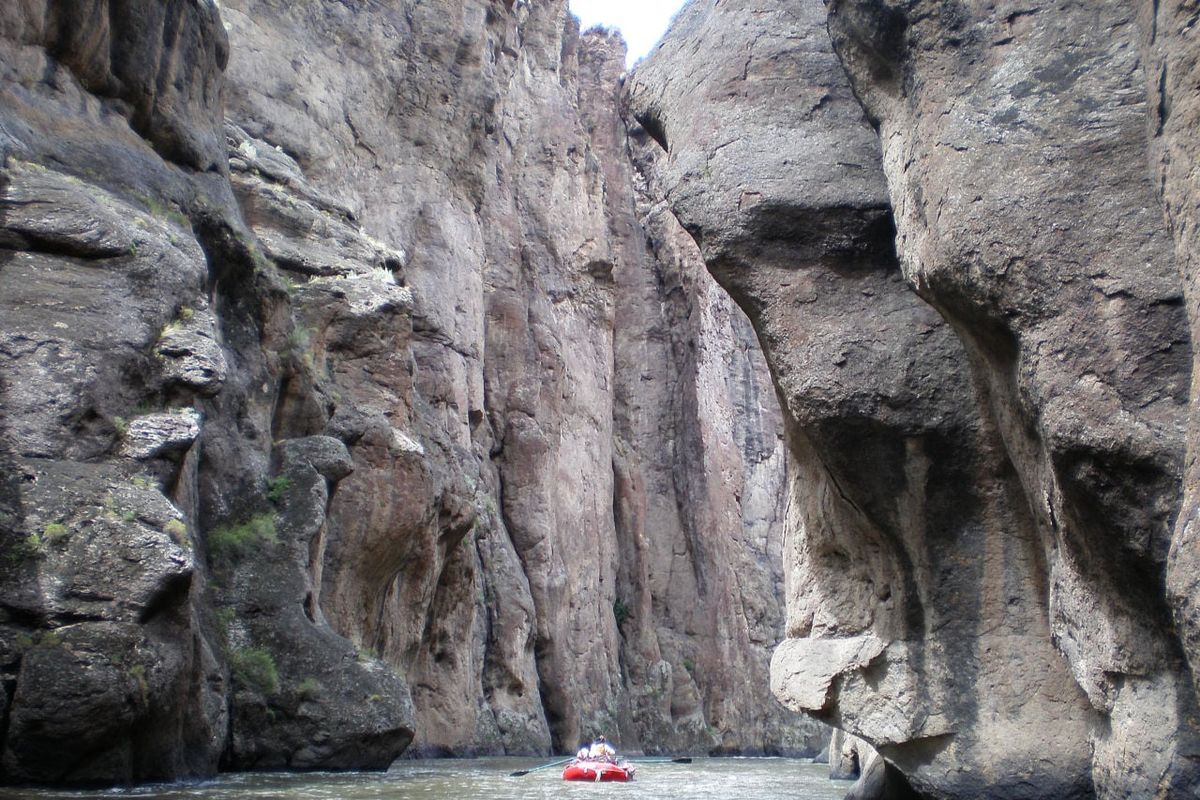
There will be water in the rivers this summer, but there might not be much of it.
Streamflow forecasts from the Natural Resources Conservation Service are predicting well below normal flows for the Spokane, St. Joe and North Fork of the Coeur d’Alene rivers in the coming months.
Forecasts are similarly bleak across the region, all the result of a poor winter that depressed skiers and stoked anxiety about the potential for a punishing fire season.
That means trout anglers should get their fishing done earlier in the year and river floaters should expect to see the bony conditions of late summer sooner than usual.
A cool, wet spring and summer could blunt the impacts somewhat, said Peter Youngblood, a hydrologist with the NRCS’s Idaho Snow Survey. But barring a series of freak snowstorms, it would be all but impossible to make up for the snow that didn’t fall in January, February and March.
“If we get a really wet spring, that could help kind of bolster the streamflows,” Youngblood said. “In terms of just getting that slow release from the mountain snowpack, we’re kind of hosed on that front.”
Youngblood said the snow that remains is already primed for melting, and that weather forecasts calling for warm temperatures and rain have him worried that the snow will start moving downhill soon.
“The thing that I’m really concerned about this year is how fast all of this is going to melt off,” Youngblood said.
Tough winter
Plenty of ink was spilled this winter detailing the West’s low snow blues. Ski resorts opened late and closed early, and all season long they struggled with poor conditions and small crowds. Snowpack percentages became a shorthand for just how bad things were, and they still look harrowing.
Actual snow totals at the SNOTEL sites responsible for those percentages are just as spooky. The SNOTEL site on Quartz Peak northeast of Spokane had less than 2 inches of snow on Friday. Its normal for that date is more than 17 inches.
Precipitation levels, oddly enough, have been close to normal. It has just been the wrong kind of precipitation. Warm temperatures in December meant much of that water fell as rain and immediately soaked into the ground or ran into rivers rather than being stored as snow.
Rivers have been running higher than normal every month so far this year, Youngblood said, which isn’t a good sign. That means the water that normally gets stored as snow and melts into the rivers in the spring is already gone.
“A lot of that water that should be stored in the mountains is just running through the system,” he said.
The St. Joe and North Fork Coeur d’Alene rivers end up in Lake Coeur d’Alene, which drains into the Spokane River. Flows on the North Fork Coeur d’Alene typically peak in late April. The St. Joe and Spokane rivers peak in mid-to-late May.
The NRCS streamflow volume forecasts for each of the rivers for April through July look relatively bleak. The St. Joe River’s looks the best, with a good chance that it reaches 65% of its normal flow volume at the Calder gauge. The North Fork Coeur d’Alene is forecast to get 48% of its normal flow. The Spokane at Post Falls looks likely to get about 57% of its normal flow volume.
Late in the summer last year, a section of the Spokane River in Spokane Valley ran dry. Youngblood said given this year’s flow forecast, it’s possible that could happen again.
Forecasts are somewhat rosier in the Clearwater River drainage. A forecast for the Spalding gauge east of Lewiston predicts the Clearwater will see 81% of its normal flow between now and July. The Lochsa is forecast to receive 82%, and the Selway is expected to see 87% of its normal flow.
The Salmon River at White Bird is forecast to see 73% of its normal flow.
Adapting to conditions
Jonah Grubb, of Coeur d’Alene-based ROW Adventures, said the low snow year doesn’t portend a bad summer for river rats.
Low flow years have come and gone in the past, and there’s always fun to be had.
Big rivers like the Salmon and the Snake, where ROW guides multiday trips each year, will have plenty of water to float regardless. They will run lower earlier in the season, which Grubb said shortens the window for riding big splashy waves, but it isn’t all bad news.
“That can come with some benefits,” Grubb said. “It means bigger beaches earlier in the year.”
Smaller drainages are the ones where low water years have the biggest impact. He said the season on the Lochsa and the upper portion of the St. Joe will certainly be shorter this year.
His company has a trip on the Owyhee planned for later this month. That one might be in doubt. A snow measuring site in that high desert drainage in southwest Idaho hit zero recently, meaning all the snow has melted.
Streamflows are sitting around 200 cubic feet per second, Grubb said – about a third of what he likes to see for those trips. Unless the flows rise, he might have to cancel the trip.
“We are kind of holding out hope for a freak storm,” he said. “Those desert rivers can come up really quickly.”
For anglers, the low flows mean the high water temperatures that normally arrive in late summer may show up sooner. Water temperatures above 68 degrees can be harmful to trout. They also simply make for slow fishing.
Grubb’s company guides fishing trips on the St. Joe and the North Fork of the Coeur d’Alene. In a year like this one, the best opportunities might be in the spring or fall rather than in July.
“The word for the fisherpeople is to start now or plan your trip maybe a little later,” Grubb said.
The trout themselves ought to be able to withstand the conditions. Chris Donley, the Washington Department of Fish and Wildlife’s eastern region fish program manager, said he’s not overly concerned about fish impacts on the Spokane River, in part because most of the trout live in areas fed by the aquifer, which keeps them out of the heat.
Andy Dux, Panhandle fisheries manager for the Idaho Department of Fish and Game, said there have been a number of dry years in the past decade, and that fish have done OK.
“In the big rivers in Idaho, we’re pretty fortunate that even in low flow, warm years, fish generally have pretty good access to cold water,” Dux said. “We tend to see fish populations hold up relatively well even in these types of years. It just kind of depends on how extreme things get.”