
Spokane braces for the reign of Mo Salah as ‘Egyptian King’ comes to Hooptown | Commentary
Spokane has hosted big names before. Presidents, rock stars, the occasional Hollywood wanderer who mistakes the Clocktower for a film set. But nothing quite prepares a city for the arrival of a global soccer deity.
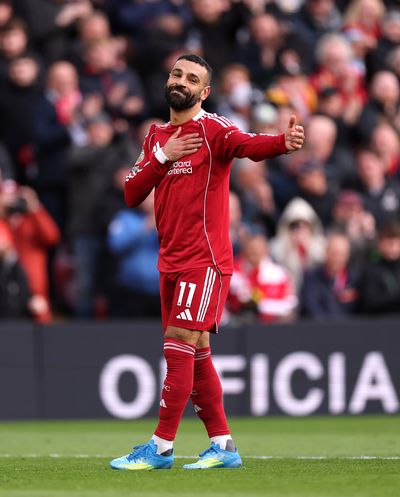
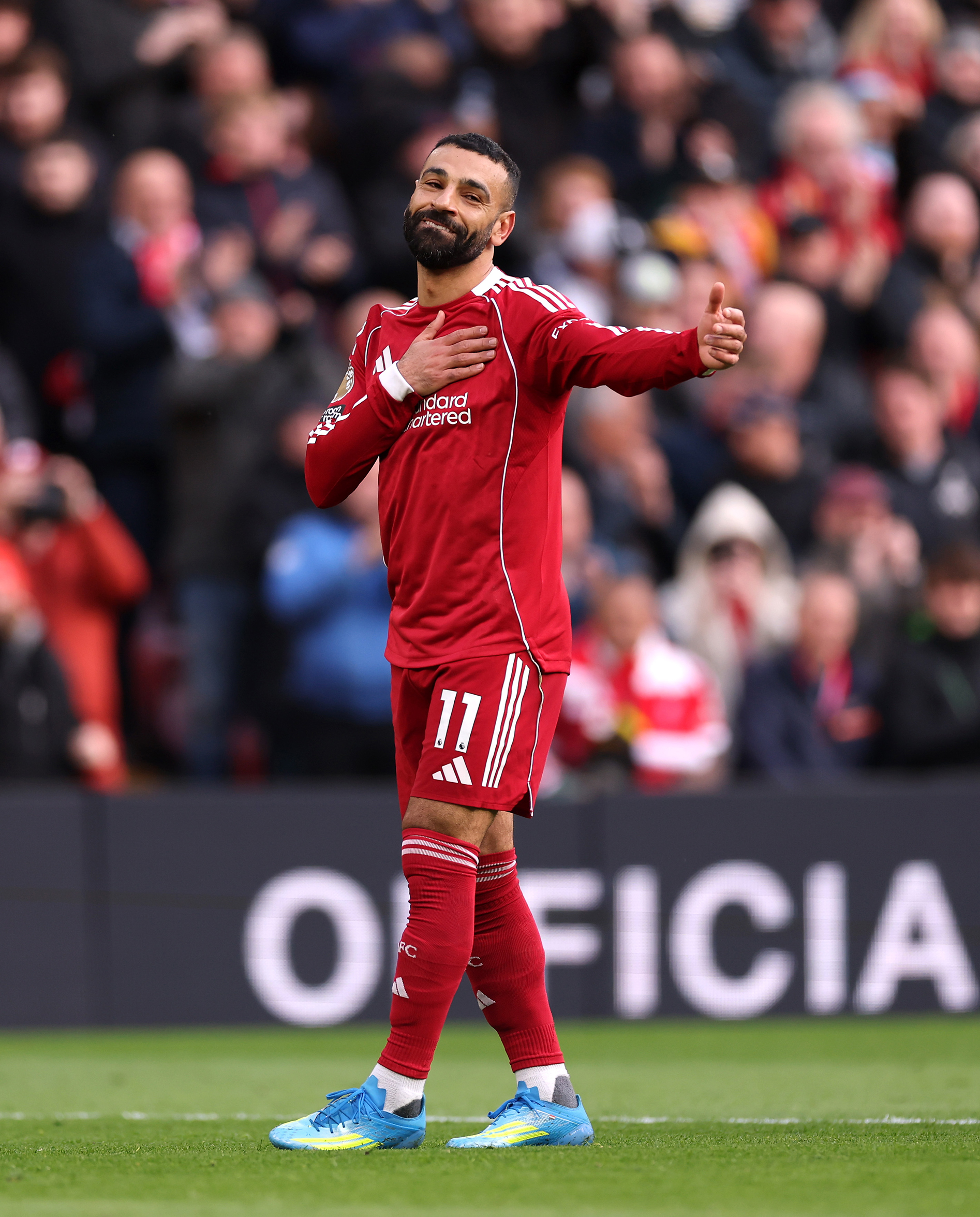
When Egypt’s national team pitches camp here ahead of the 2026 FIFA World Cup, Spokane will be welcoming a continent’s hopes and Mohamed Salah, a man whose left foot has spent nearly a decade rewriting the laws of English football. For a city that proudly calls itself Hooptown USA, this is the moment soccer strolls into the room wearing sunglasses and a knowing grin.
Salah is less a footballer than a cultural weather system. At Liverpool, he became a myth in real time with 255 goals, a Champions League crown, a Premier League title that broke a 30‑year drought and a trophy cabinet that reads like a FIFA menu screen. For nine seasons, he was the club’s designated miracle worker. Liverpool fans still speak of him the way ancient civilizations spoke of comets, with reverence and a faint anxiety that such things do not last.
Egypt’s decision to base its World Cup preparations in Spokane, 279 miles east of Seattle and nestled between pine forests and basketball courts, is precisely the kind of adventure that makes sportswriters sit up straighter.
Spokane is the second‑largest city in Washington, a metro of 600,000, a place where the annual Hoopfest turns downtown into a cathedral of asphalt and jump shots. But for a few weeks this summer, the city will hum with a different rhythm, with the thump of boots on turf, the whistle of drills and the power that follows a global icon.
To the uninitiated (and let’s be honest, America has plenty of those when it comes to soccer), Salah is the kind of athlete who bends continents. He is the pride of Egypt, the face of African soccer’s modern renaissance and a player whose humility off the pitch rivals his ruthlessness on it. He scores the way Gonzaga sinks 3s; calmly, repeatedly and almost impolitely.
Imagine him stepping into a Spokane café. The barista may not know the difference between a false nine and a No. 10, but they will know, in that wordless way people always do, that they’re in the presence of someone extraordinary. Salah carries that aura, the unforced charisma of a man who has spent years being the most dangerous thing in any room, on any soccer pitch, in any country.
Egypt arrives with genuine ambition. Group G offers no gentle stroll. Belgium, New Zealand and Iran await, with two matches: Belgium on June 15 and Iran on June 26 at Lumen Field in Seattle. Spokane offers them altitude, calm, space and a community that embraces underdogs and dreamers with equal and generous enthusiasm.
Hosting Salah is, in the most literal sense, a cultural ignition. Children who have never watched a full soccer match will suddenly find themselves trying step‑overs in the backyard. Local clubs will see registration surges.
The Spokane Velocity, currently sitting second in USL League One, will feel the halo effect of global attention drifting eastward across the Cascades. This is how a city falls in love with a sport through proximity to greatness, and the slow realization that greatness has been here all along, waiting to be recognized.
This is the biggest World Cup in history, spanning 48 teams, three host nations and a logistical sprawl that stretches from Vancouver, B.C., to Mexico City. Spokane is not a host city, but it is about to become something arguably more intimate: a temporary home for a team carrying a continent’s dreams on its shoulders.
Egypt’s training sessions will draw crowds. Local kids will press against chain-link fences for a glimpse of Salah’s trademark curl. Cafés will debate Belgium’s midfield. Bars will argue, passionately with the limited expertise, about Iran’s defensive shape. Spokane will speak football, haltingly at first, then fluently, the way a city picks up a new language when the right teacher arrives.
And Salah is the right teacher. He plays with clarity, with purpose, with a kind of neatness that makes the game feel both simple and sacred. He is the rare superstar who does not diminish those around him but enlarges them.
Spokane has always punched above its weight. It built the world’s largest 3‑on‑3 basketball tournament. It nurtured a college basketball powerhouse. It turned a river gorge into a downtown landmark. Now it gets to host one of the most recognizable athletes on the planet.
There is something beautifully fitting about it: a city defined by hoops welcoming a man who has spent his life turning defenders into pretzels. For a few weeks, Spokane will be a dot on the global soccer map, mentioned on Egyptian talk shows, British sports radio and Belgian tactical podcasts alike. The world will peer briefly into Eastern Washington and discover a city with genuine charm, grit and a surprising appetite for the beautiful game.
When Salah laces up his boots on Spokane soil, he’ll be expanding the city’s sporting imagination, offering it a taste of the world’s most beloved game at its highest level. And Spokane, in return, will give him something rare in modern soccer: a calm, unhurried place to breathe before the storm arrives.
For a city that loves its sports loud, proud and communal, this summer will be unforgettable. Mohamed Salah, the “Egyptian King,” the scourge of Premier League defenses, the man who made Anfield sing for nearly a decade, will be here. And Spokane will never look at soccer the same way again.
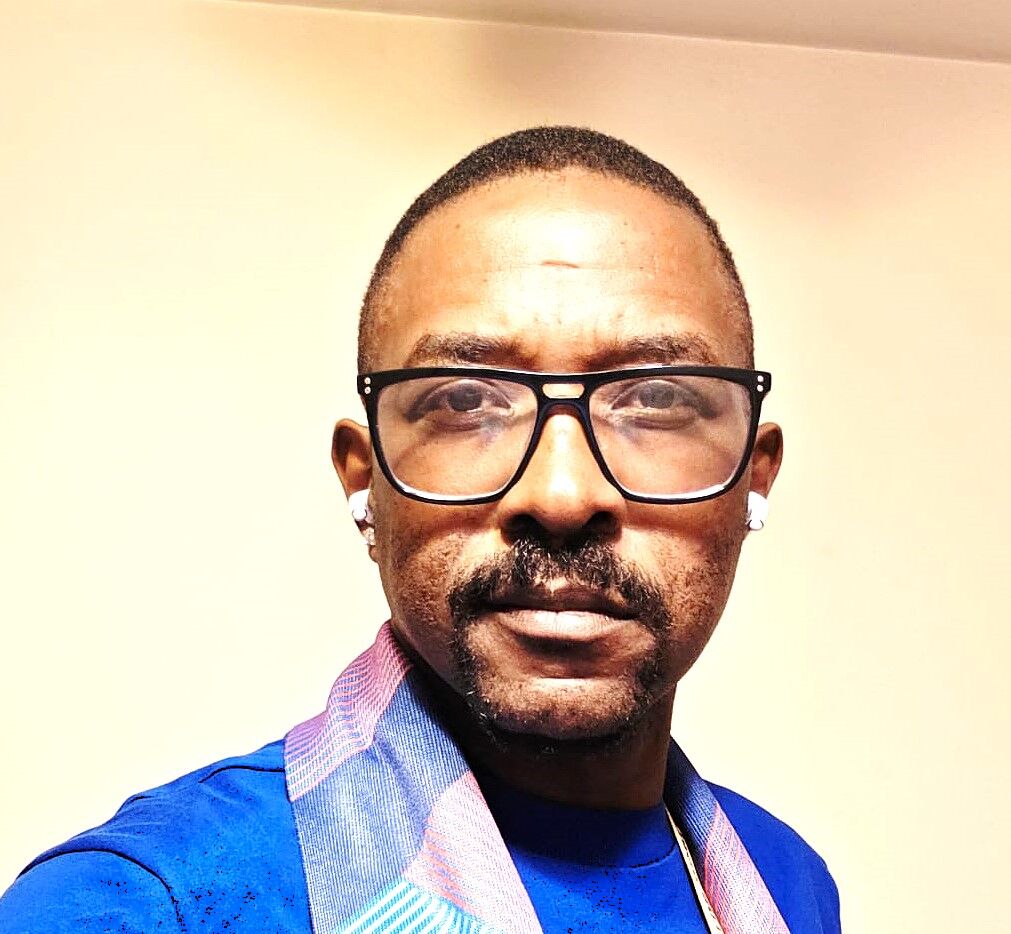
Allan Buluku is a former Sports Editor of The Daily Nation, one of Africa’s largest newspapers, where he led the paper’s coverage across three FIFA World Cups. Now based in Spokane, he brings that seasoned soccer firepower to the 2026 FIFA World Cup for The Spokesman‑Review.