
Former Spokane Tribe Police officer chronicles experiences in memoir
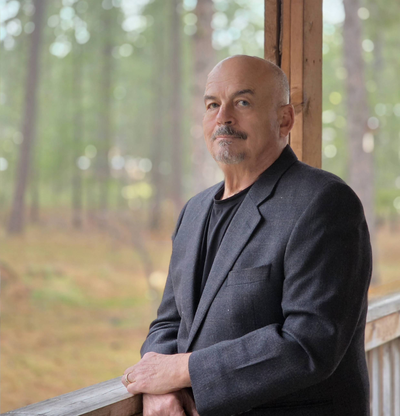
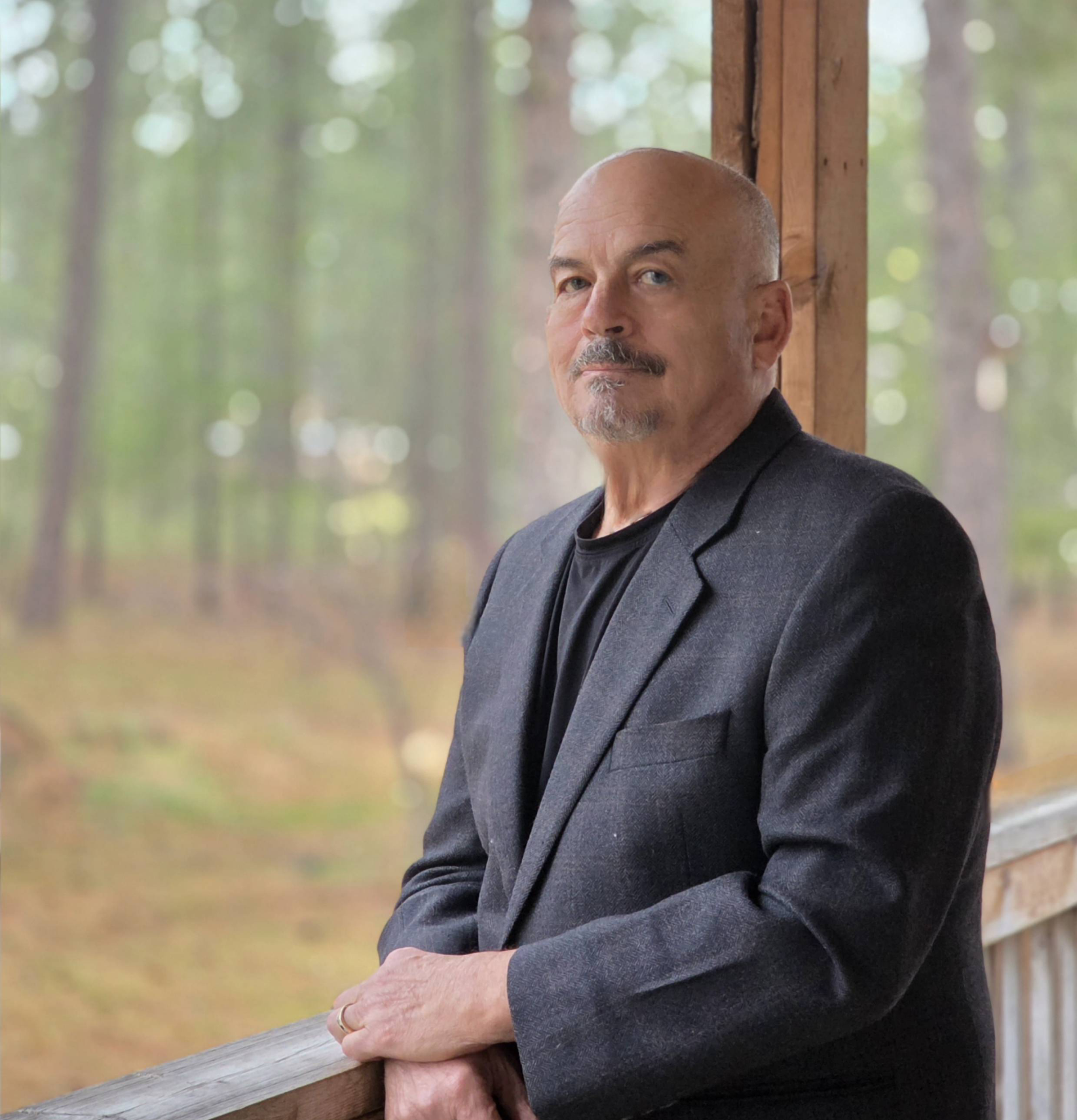
Tribal police officers have been receiving more attention recently through the fictional AMC thriller series “Dark Winds.” But James “Jim” Wynecoop is offering his own, true account of being a Spokane Tribal Police officer in a book that gives a look into the work of tribal police and his life on the reservation.
In “My First 10 Years As a Tribal Police Officer” Wynecoop recounts when he became an officer at 19. He patrolled the back roads of the Spokane Indian Reservation with “a knot in his stomach and a prayer on his lips.”
“When you’re 19 years old and your buddies are all going to college, running around and doing the things that college kids do, I was enforcing laws,” he said. “I was doing things that usually nobody at that age, except maybe a person in the military, would be doing.”
Wynecoop entered burning shacks searching for those who might still be inside, responded to tense calls and learned what courage really means.
After retiring in 2022, Wynecoop spent time thinking about that past. Once he started writing it down, he decided to write a book about his first 10 years in law enforcement.
While his dad was enrolled in the Tribe, Wynecoop wasn’t and he didn’t feel entirely accepted on the reservation due to enrollment changes that were made decades before. However, he said he was never treated badly because of it. When he became a Spokane Tribal Police officer in 1975, he said it opened a new world.
In the beginning, Wynecoop said tribal police only had jurisdiction over tribal citizens, but eventually Stevens and Lincoln counties commissioned tribal officers in the event they needed to provide assistance off reservation. When working as police chief of the Kalispel Tribe, Washington state recognized his tribal police force had jurisdiction over anyone on the Tribe’s reservation.
When it came to jurisdiction elsewhere, the Supreme Court has rules limiting tribes’ authority over crimes committed by non-Tribal citizens. One of the most notable cases is Oliphant v. Suquamish Indian Tribe, which ruled that “Indian tribal courts do not have inherent criminal jurisdiction” to punish non-Native Americans. While rulings like United States v. Cooley gave tribal law enforcement officers authority to “stop, search, and temporarily detain a non-Indian motorist traveling on a public highway” within a Tribal reservation, Tribal police still face limitations.
Since his time of being a police officer, Wynecoop said some of the things have improved.
Spokane Tribal Police Chief Clint Kieffer, who worked with Wynecoop back when they were with the Kalispel Tribal Police Department, said tribal officers work collaboratively with federal, state and local agencies while maintaining the Tribe’s sovereignty and authority.
“Work is challenging, but it is driven by a deep sense of duty to protect lives, uphold justice and strengthen the community for future generations,” Kieffer said.
Tribal police officers, Wynecoop said, require more training than other agencies.
“We had to understand federal jurisdiction under the federal codes, as well as the state and the tribal (jurisdiction),” he said. “We would attend training with all agencies and you can feel when you walk in and the looks we get … There was always that feeling of we were not good enough.”
For a while, in Washington state, tribal police were the last to get into state police training programs.
“Back in the day, officers worked for years without being properly trained. As mentioned in the book you sometimes relied on other community members to assist you in times of need,” Kieffer said.
A 1978 opinion from then-Attorney General Slade Gorton said tribal police officers did not constitute as law enforcement personnel, and the Washington Criminal Justice Training Commission did not have to give them free basic training.
“It took some politics to convince them that if we’re going to enforce state law we have to go through the state academy,” Wynecoop said.
Despite limited resources and jurisdictional complexities, Kieffer said the Spokane Tribal Police Department remains committed to professionalism, integrity and public safety.
“Our officers often know the people they are helping by name – sometimes as neighbors, relatives or lifelong community members – which adds both responsibility and compassion to every decision made in the field,” Kieffer said.
Despite challenges, like working alone with little or no backup, Wynecoop enjoyed learning traditional customs of the Tribe, like gratuities. In Indian Country, he said if someone goes to a house responding to a call and the residents set a plate of food in front of them, they sit down and eat. It’s considered offensive if they refuse it.
In one instance, he stopped a driver from the Colville Indian Reservation. Wynecoop left him with a warning but before he left, the driver told him to wait. He opened his trunk to reveal it was full of salmon. The driver told him to pick which one he wanted. While initially hesitant, he picked out a salmon in the end.
When people read his book, Wynecoop wants them to understand the closeness of family. Several pages are dedicated to his grandmother, Phoebe Wynecoop, whom he described as a matriarch. He grew up with her, taking long walks in the woods and collecting berries.
In conversations Kieffer had with Wynecoop prior to the book being published, Wynecoop would often share stories that later appeared in the book.
“He always laughs out loud as he remembers them,” Kieffer said. “I hope that those who read the book gain a true understanding of the role tribal officers play in serving their communities – responding to and handling calls involving family members or other members of a small community.”
Kieffer said the stories Wynecoop shares, the good ones as well as the difficult ones, are rooted deep in his memory, shaping the way he approached every call and molded him into the leader he became.
“I truly believe his willingness to serve not only the Spokane Tribe, but other tribes as well, has made him a mentor and leader for many former and current officers working in Indian County,” Kieffer said.
Wynecoop plans to write more books about his career in law enforcement.
This book can be purchased on Amazon.