
Hunting tech rules to be vetted by Idaho Legislature
Idaho’s new restrictions on certain hunting technologies have one more hurdle to clear before they are adopted into code.
The rules that were crafted as recommendations by a panel of hunters and later adopted by the Idaho Fish and Game Commission following a public comment opportunity will be subject to a final nod by the Idaho Legislature. The legislative review is required of all new administrative rules adopted by state agencies.
Hearings are expected to be held in March, where Fish and Game officials will make a presentation and Idaho residents will have an opportunity to weigh in.
“We just present what the rule changes are, why they were made and the rationale that went into it,” said Ellary Tucker Williams, legislative and community engagement coordinator for the Idaho Department of Fish and Game at Boise.
The rules are designed to ensure that advances in technology don’t reach a level where fair chase – giving hunted animals a reasonable chance to know they are being pursued and thus escape – is violated.
While the agency conducted a robust public information campaign about the process and more than 700 people applied for membership on the working group that crafted the recommendations, the proposed rules may have taken some of the hunting public by surprise.
Here’s a quick recap of the hunting technology rules.
- Drones cannot be used to locate big game animals while hunting, scouting or retrieval between Aug. 30 and Dec. 31.
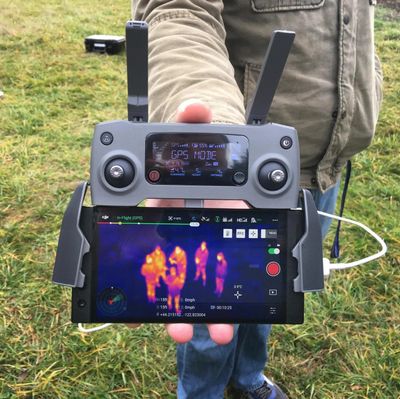
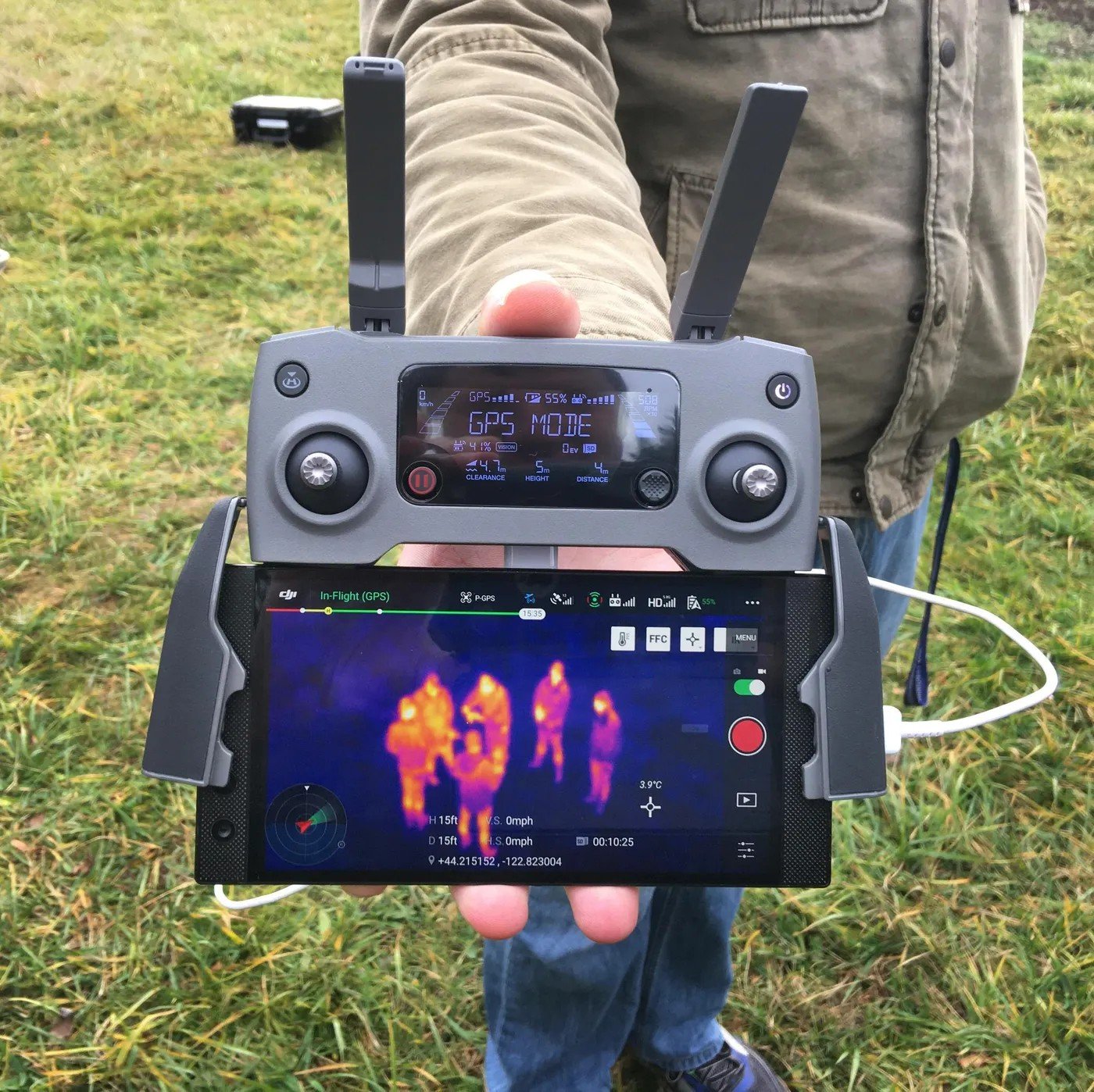
- Thermal imaging optics cannot be used while hunting big game animals, including scouting and retrieval from Aug. 30 to Dec. 31.
- Night vision optics cannot be used while hunting big game animals, including scouting and retrieval from Aug. 30 to Dec. 31.
- Trail cameras that are able to transmit images cannot be used for hunting, including scouting, on public lands from Aug. 30 to Dec. 31.
All of the restrictions apply only to big game hunting applications. The ban on transmitting trail cameras doesn’t include trail cameras unable to send images via a cellular signal or satellite connections.
The rules also include carve-outs for wolf hunting within areas where enhanced hunting methods, such as night vision and thermal optics, are allowed.
Nick Fasciano, executive director of the Idaho Wildlife Federation, views the new restrictions as reasonable and protective of robust hunting opportunities into the future. If hunters continue to employ the latest technology, Fasciano said it is bound to increase success rates and that would inevitably lead to restrictions on either general seasons or the number of tags available in controlled hunting seasons.
“With better technology comes more success and if we don’t find a way to moderate success, we are going to have to cut opportunities,” he said.
There has been some pushback to the rules in online forums and social media, particularly on the transmitting trail cameras. Some have asked the agency to show evidence that technology is leading to higher success rates.
More information is available at idfg.idaho.gov/hat-working-group.