
Let them be kids: Is Australia’s social media ban working?
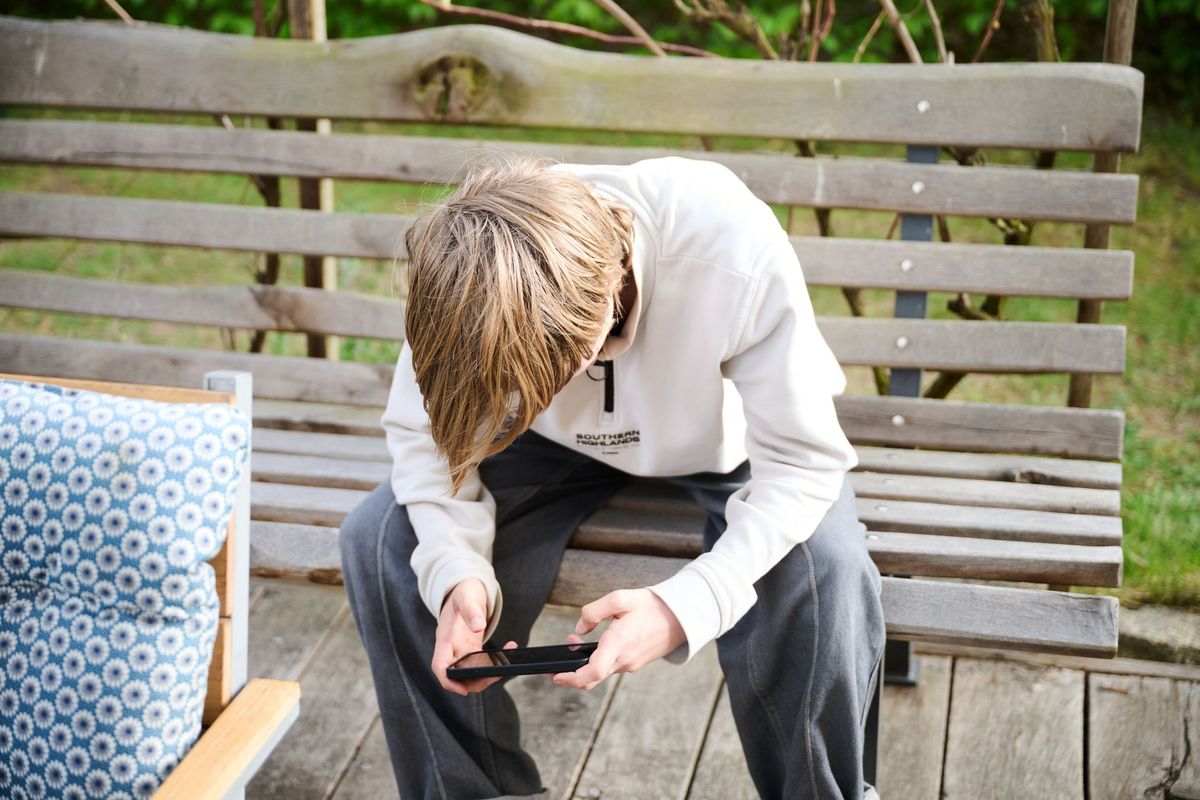
SYDNEY – From the coast of Queensland to the bush of the Northern Territory, something rather odd has happened in some homes in Australia: Smartphones lie unnoticed on the kitchen table in the morning, children are scrolling significantly less and family members are interacting with each other much more.
It’s been almost three months since Australia became the first country in the world to introduce a general social media ban for those under 16. The government justified its groundbreaking move, which took effect on Dec. 10, by saying it wanted to give children their childhood back – and also protect them from cyberbullying and from consuming disturbing content.
Companies face fines of up to $35 million for violations. The new rules apply to Instagram, TikTok, Snapchat, Facebook, YouTube, X, Reddit and Twitch, among others. Various messenger and gaming services such as Roblox, WhatsApp and Facebook Messenger are exempt.
To mark the occasion, the campaign slogan “Let them be kids” was even displayed on the pillars of the iconic Sydney Harbour Bridge when the ban was introduced Down Under. And indeed, at least according to the government, everyday life has changed noticeably since then.
The country’s prime minister, Anthony Albanese, insists that the law is working, saying young people were getting off their devices and going outside to ride bikes, reading books or spending time with family during the Christmas school holidays, which ended in January.
He’s called social media the “scourge” of society.
Millions of accounts deactivatedIn January, the government announced that since the law came into effect, more than 4.7 million accounts belonging to children and young people had been deactivated, deleted or restricted. Snapchat alone said it blocked 415,000 accounts by the end of January.
In December, the messaging app asked hundreds of thousands of users to verify their age. This could be done with an Australian bank account, an age assessment using facial recognition or documents such as a passport or driving license.
However, parents say that most teenagers have quickly found ways to circumvent the ban.
“I have twins, and nothing significant has changed – except that the government is celebrating itself,” wrote a frustrated mother in a comment on Instagram.
The new rules have only had an effect on some children and young people. “Most of them were back online straight away and created new accounts,” she said.
Easy to trick facial recognitionTeenagers say circumventing facial recognition for age verification is literally child’s play.
“I looked at the camera, frowned a little, and they said I was over 16,” a 15-year-old wrote on Reddit.
One mother told broadcaster ABC that she has a 12-year-old daughter. “She and her friends were classified as over 17 simply by wearing false eyelashes and make-up.” Others get help from older siblings who look into the camera for them.
“I thought the restriction would be much stricter, but in the end it was totally relaxed, it’s like nothing happened,” 14-year-old Adyan told ABC.
‘Incredibly stupid and harmful’
In another comment on Reddit, a teenager writes that social media is “one of the biggest, easiest and most popular ways for young people to express their opinions.” The ban silences these voices and ignores young people’s freedom of expression, some teens say.
The law is “incredibly stupid, flawed and harmful,” the young author raged.
Many teachers are also dissatisfied and feel left alone with the consequences of the law. A survey of more than 400 teachers found that most do not feel adequately prepared to deal with the impact of the ban in everyday school life.
YouTube still used in schoolsMore than 80% of teachers said they used YouTube for teaching purposes. While there is a ban on young people’s accounts, YouTube can still be used in the classroom, leading the majority to complain about a lack of clear guidelines.
Albanese argues that change doesn’t happen overnight. While it might be too early to gauge the groundbreaking law’s achievement, several countries in Europe and elsewhere already want to follow suit.
Spanish Prime Minister Pedro Sánchez recently announced his intention to follow Australia’s example and introduce a ban on social media for all persons under the age of 16 – prompting X owner Elon Musk to insult the Spanish leader.
In November, the Danish government announced its intention to introduce a minimum age of 15 for social media, though parents will have an option to register kids as young as 13 on social media.
In the United Kingdom the House of Lords recently voted in favour of an under-16 ban, but the final decision will be made by the House of Commons, which is dominated by the ruling Labour Party – and there, people are still cautious.
In Germany last year, a representative survey by the opinion research institute YouGov found that more than 70% of people would like to see a minimum age for access to social media.
In France, certain social networks will be off-limits for under-15s, though this will not apply to science and education platforms, but it is unclear when this will come into force.
The European Union has no plans to introduce such a ban. While the European Parliament has voted in favour of an EU-wide minimum age of 16, with access for those aged 13 and older with parental consent, the ruling is not binding.
But the EU is investigating whether several tech platforms are doing enough to protect young people. A preliminary finding showed that TikTok violates European law with its continuous automatic playback of videos and highly personalized recommendations. The company, which rejects the findings, now faces a fine.