
Spokane’s Deaconess Hospital starts program to combat drug withdrawal with long-lasting medication
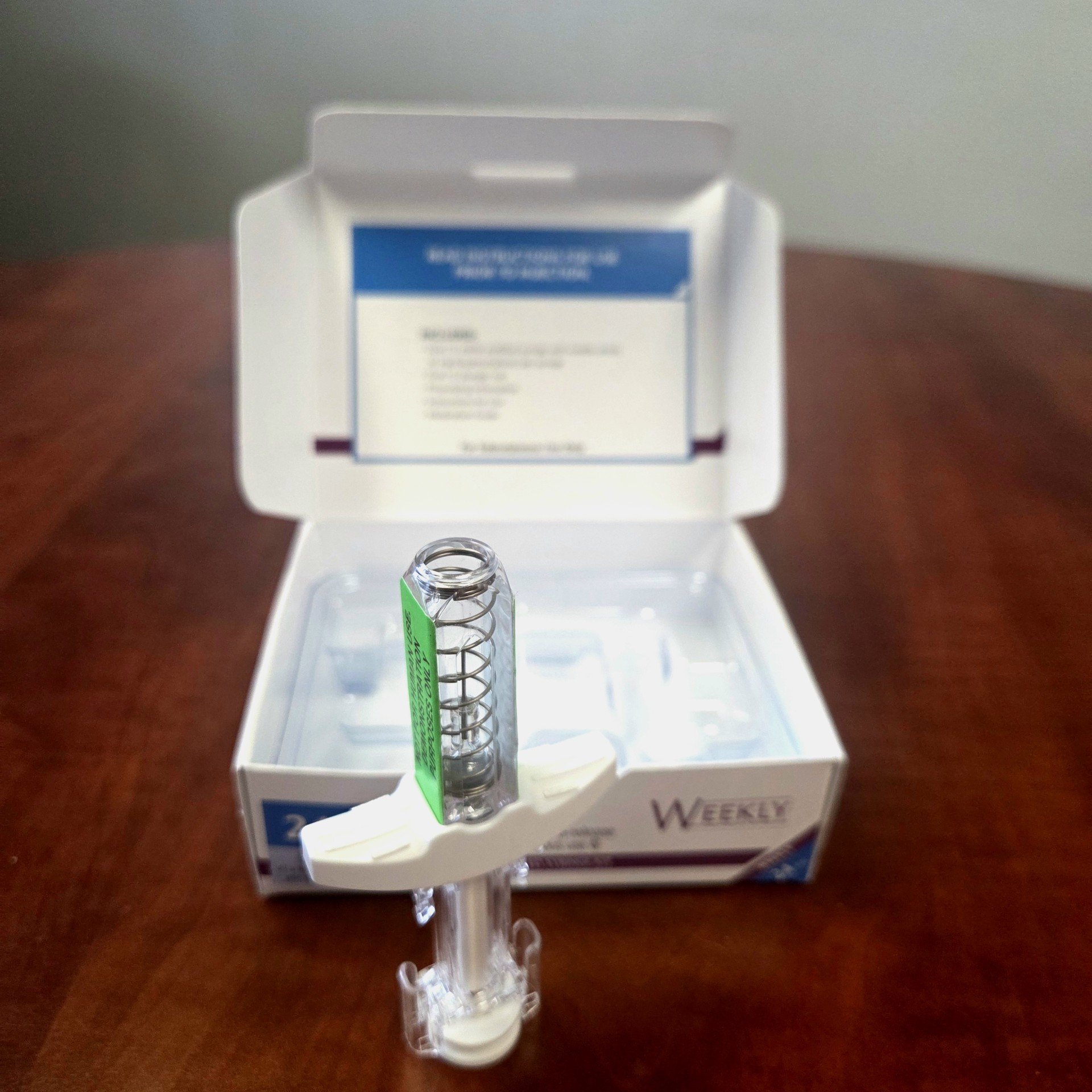
A pilot program from MultiCare Deaconess Hospital now provides long lasting opioid withdrawal medication.
The injectable buprenorphine will provide a much more stable basis for patients to begin their recovery from addiction to fentanyl and meth, for example, than pills taken multiple times a day, said nurse care manager Sara Welty. One shot will prevent withdrawal symptoms for five days.
“Patients won’t need to take a pill. They won’t need to hold on to a prescription,” she said. “If these patients are marginalized in any way, if they’re unhoused, if they are living paycheck to paycheck – those things keep people from being able to access medication in a pharmacy setting.”
Buprenorphine prevents opioid withdrawal by binding to the body’s opioid receptors. To someone addicted to opioids, the drug will prevent cravings and stop the body from becoming high if an opioid is taken.
The drug has long been used in all hospitals, including Deaconess, but only in a pill that is taken under the tongue. These pills would be prescribed upon stabilization after an overdose or when someone comes to the hospital in active addiction wanting to get clean.
Before this new program, Welty worried her patients could leave the hospital, not take the pills and immediately start using drugs again. With the injectable form of the medication, she knows they will not overdose in the next five days.
“The highest risk for a fatal overdose is 24 hours following a non-fatal overdose. The more patients we get to agree to the injectable or oral medication, the lower the odds of them overdosing on the street,” Welty said.
Drug-related deaths remain high in Spokane County. About 700 people have died of an overdose in the past two years, according to the Spokane County Medical Examiner’s Office.
Since the pilot program started in February, Deaconess has administered injectable buprenorphine eight times, including twice for patients being treated for overdose. Welty has spoken to between 35 and 40 patients about the injectable medication, but some have not yet agreed to it.
“Some people are afraid of needles. But for others, it can feel like we’re asking them to make a big commitment. You are asking them to make a big lifestyle change for at least five days. They may decide they’re not really ready for that,” she said.
At the end of those five days, patients would have an appointment at one of several support organizations in the community that can provide long-term treatment. At these clinics, recovering addicts can receive another injection of buprenorphine that can last up to a month. The longer buprenorphine is in the system, the less often patients will need to get a new shot.
The injection, administered by a health care provider, turns from a liquid to a gel under the skin enabling it to be slowly released during the course of several days.
Psychiatric mental health nurse practitioner Kayla Cross said she was “really excited” by Deaconess’ pilot program. Cross is owner of Bloom Psychiatry, which often gets referrals from Deaconess.
“These patients will be able to get on these long-acting injectables there in the emergency department and follow up with us so we can transition them and maintain buprenorphine in an outpatient setting,” Cross said.
Bloom Psychiatry has been using the injectable buprenorphine for the past four years and switched because patients in addiction can struggle with maintaining pills.
“If they’re having a hard time getting pills filled on time, or they lose them, or they take too many of them – getting on to the long-acting injectable really helps kind of stabilize that whole process,” Cross said.
Deaconess has set a goal of using injectable buprenorphine five times a month and will reassess the program after a year.
“The good news is we’ve had a lot more conversations this month about buprenorphine, and despite overdoses continuing to be severe, I believe we are creating this environment where people know it’s safe to come for help,” Welty said.