
Colorado River may deliver just a third of normal water supplies this spring, projections show
DENVER – Extended warm weather across the Colorado River basin may reduce the amount of water delivered during the spring runoff to just a third of normal, according to federal forecasters.
Modeling released late last week showed the river system on track to deliver a scant 2.3 million acre-feet to Lake Powell, one of the river system’s largest reservoirs. That’s 36% of the median of 6.4 million acre-feet recorded between 1991 and 2020. If the forecast comes true, it would be the fifth-lowest inflow to Lake Powell since the reservoir’s establishment in 1963, according to the National Weather Service’s Colorado Basin River Forecast Center.
“It’s not a pretty picture here,” Cody Moser, a hydrologist with the center, said of the basin’s snowpack during a briefing on the forecast Friday.
Lower-than-expected water supplies can lead to fallowed farm fields, drought restrictions in cities and difficult decisions for water managers tasked with divvying up the meager supplies. All of western Colorado relies on water from the river and its tributaries. Front Range communities, too, need the river. Half the supplies used by Denver Water’s 1.5 million customers comes from the Colorado River.
Lake Powell, located primarily in southern Utah, collects water from the states upstream of it – Colorado, Utah, Wyoming and New Mexico – and releases water to three states below – Arizona, Nevada and California.
Negotiators from the seven Colorado River basin states for more than two years have tried to agree on a plan to split up the river’s water, but so far they have failed. The river’s current operation guidelines expire at the end of the calendar year.
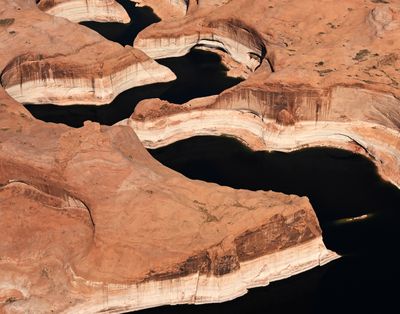
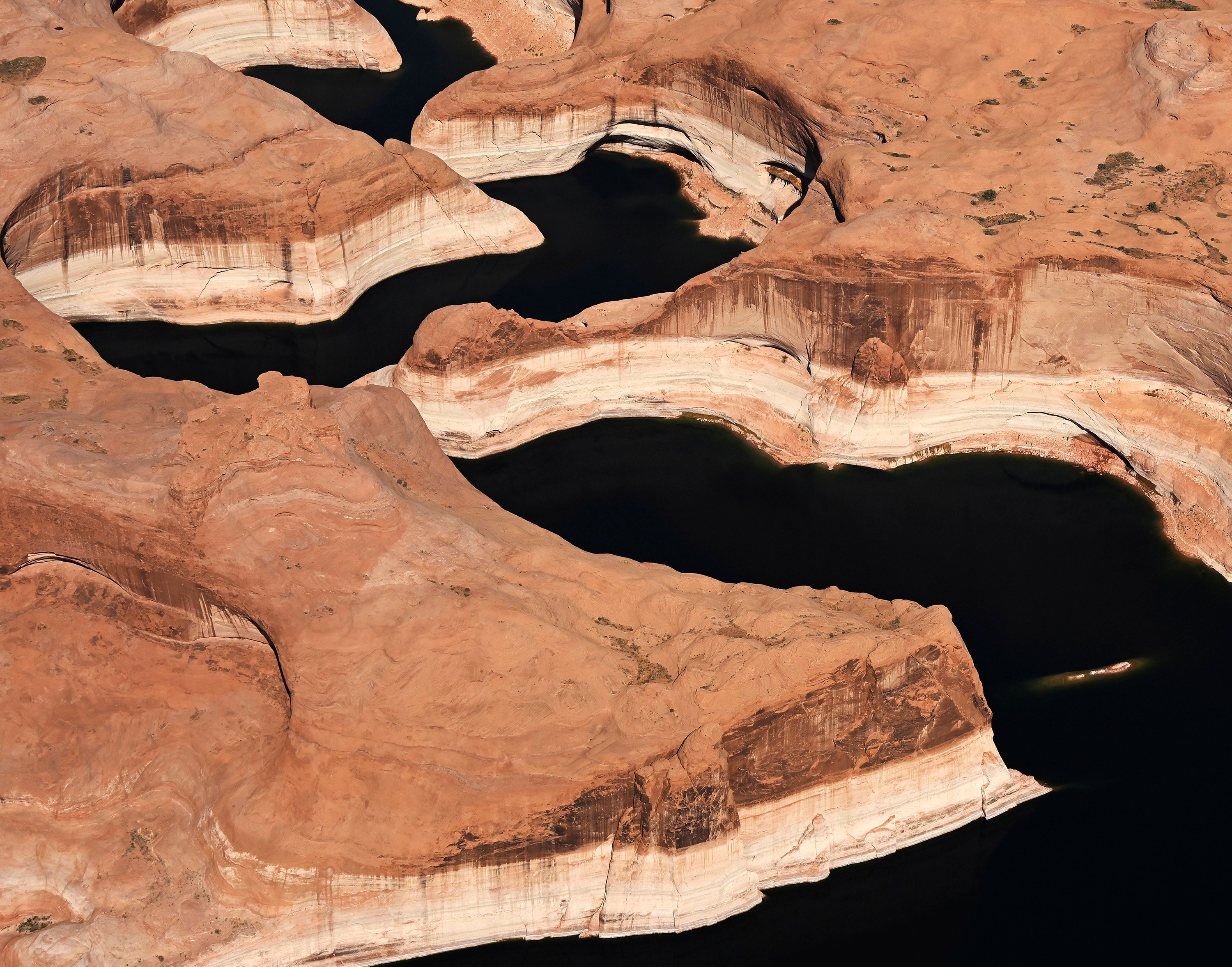
Already, federal officials predict water levels could fall so low at Lake Powell by August that water will no longer flow through the intake tubes for Glen Canyon Dam’s hydroelectric turbines. Lake Powell at the beginning of March was 24% full, while Mead – which is in Nevada and Arizona – was 34% full.
Much of the Colorado River’s water begins as snow in Colorado’s mountains, which have been plagued by record-low snowfall this winter.
The Colorado River headwaters’ snowpack sat at 66% of the median for this time of year on Monday– the lowest recorded level since measurements began in 1986.
“The Colorado headwaters are the worst this water year; they’re well below normal,” Moser said, noting that many winter storms missed the area.
Other regions in the basin have fared better. Basinwide, precipitation amounts are similar to those recorded last season.
Some areas, like the Green River basin above Flaming Gorge Reservoir – which straddles the Wyoming-Utah border – have received above-average precipitation.
But record heat erased any good news about precipitation, Moser said. Much of the Colorado River basin experienced the warmest winter on record, he said.
Higher temperatures convert would-be snowstorms into rainstorms. When it rains instead of snowing, more of the water is absorbed by the soil, evaporates or is sucked up by plants – reducing the amount of water available for human use.
The heat also has dried out soils across the basin, which means that the ground will absorb more water than normal, decreasing the amount expected to flow downstream.
Some snow has already begun to melt – even at elevations as high as 10,000 feet, Moser said.
River gauges are already recording daytime melting, Moser said, including on tributaries to the Yampa River in Colorado and on the rivers and streams above Blue Mesa Reservoir outside Gunnison. Typically, the snow in those mountains does not begin to melt until early April.
Even in the best-case scenario, it is too late for Colorado River supplies to reach normal. At best, if spring weather is significantly wetter and cooler than expected, inflow to Lake Powell could reach two-thirds of normal.
If the river delivers the projected 2.3 million acre-feet of water, it would be slightly more than the panic-inducing inflows of 2012. The lowest inflow on record occurred in 2002, when less than 1 million acre-feet made its way to the reservoir.
There’s not much hope in the near future for drought-reversing weather. Temperatures are expected to remain warmer than normal and precipitation lower than normal across the entire basin through at least March 19, Moser said.
“Starting tomorrow, it’s going to be mostly dry,” he said on Friday.