
‘Romance, tragedy and bill collectors’: Inside Spokane’s history as a filmmaking hub as ‘Train Dreams’ heads to the Oscars
Filmed in Spokane, “Train Dreams” is up for the best picture Oscar this year. But it is certainly not the first movie shot in the area.
That puts it in a category by itself among movies filmed in Spokane, but going all the way back to the silent film era, Spokane has been a tiny fish in the big pond of moviemaking in the United States. Here are some of the most prominent movies filmed in and around the Lilac City.
‘The Grub Stake’
For a short period in the 1920s, it looked like Spokane might become the Hollywood of the north.
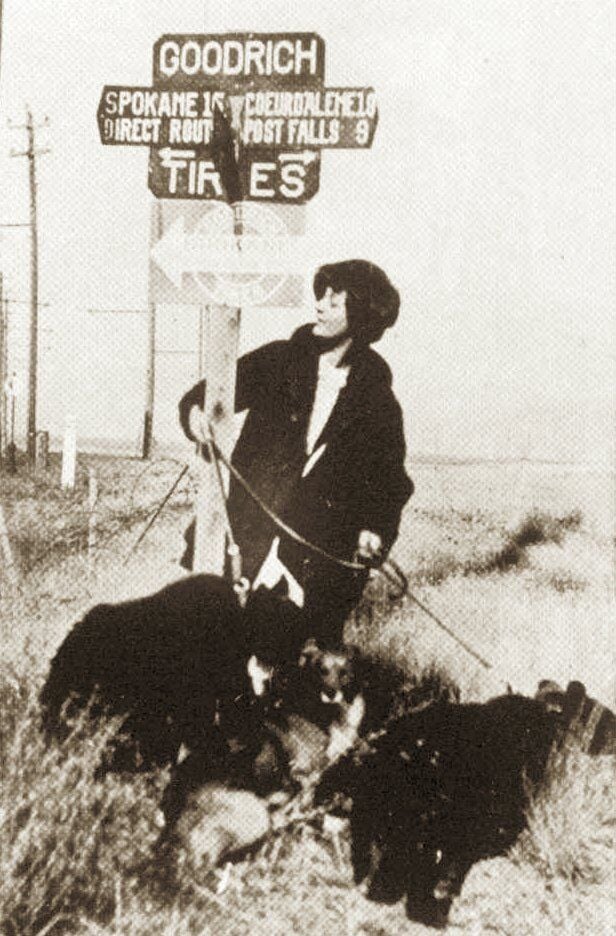
Straight from her breakout hit in “Back to God’s Country,” silent film star Nell Shipman brought a production crew and a zoo of animals to film her next feature in Spokane.
During production of a previous film in Hollywood, Shipman began an extramarital affair with fellow actor Bert Van Tuyle. The pair decided they could do a better job producing and directing their own film.
“I packed up my toys and moved north,” Shipman wrote in her memoir.
Their production company set up shop in the Hillyard area at Minnehaha Park. At one point, there were 11 different production sets in the park, according to a 1982 Spokesman-Review article. A zoo was created for local residents out of the more than hundred animals used in production of “The Grub Stake.”
The promise of Spokane as a filmmaking hub was short-lived. Before production ended for “The Grub Stake,” Shipman moved filming nearly 100 miles away to Priest Lake, Idaho.
While filming on a frozen lake, Van Tuyle developed frostbite on his foot. In a famous incident that garnered national attention, Shipman rushed Van Tuyle on a dogsled used for filming all the way to Deaconess Hospital, where several of his toes were amputated.
The Grub Stake’s plot involved Shipman’s character being tricked into marriage by an older man and forced into work at a dance hall. The young woman escapes into the Alaska wilderness, where she finds true love.
Local news coverage of the film was decidedly negative. Several financial backers publicly voiced concerns Shipman and Van Tuyle were misleading over finances and swindling them out of money.
“Everybody that has associated in the motion picture business say (Van Tuyle) is absolutely unreliable and has no regard for honest or business courtesy or anything else that does not happen to satisfy his own whim or fancy,” a 1922 Spokesman-Review article reads.
Upon the movie’s premiere, The Spokesman-Review described the film as a tale of “romance, tragedy and bill collectors” as a nod to the scandal. The film was ultimately a financial and critical flop and led to the closure of Shipman’s production company.
Though she fell into obscurity before the end of the silent era, Shipman was reassessed as an important and rare female director in early Hollywood. In the 1980s, copies of “The Grub Stake” were rediscovered and are currently housed at Boise State University.
Rich Cowan, founder of production company North by Northwest, said Shipman “set the stage” for filmmaking in Spokane.
“Her movies were so amazing, because they showed the world what we have to offer here. She put this whole area on the map in the studio system, and since then people always look at this place as an option,” he said.
‘Vision Quest’
While Spokane receded as a hub for filming through the middle of the 20th century, 1985’s “Vision Quest” became “for a long time the biggest Spokane film,” said Spokane Public Radio movie critic Nathan Weinbender.
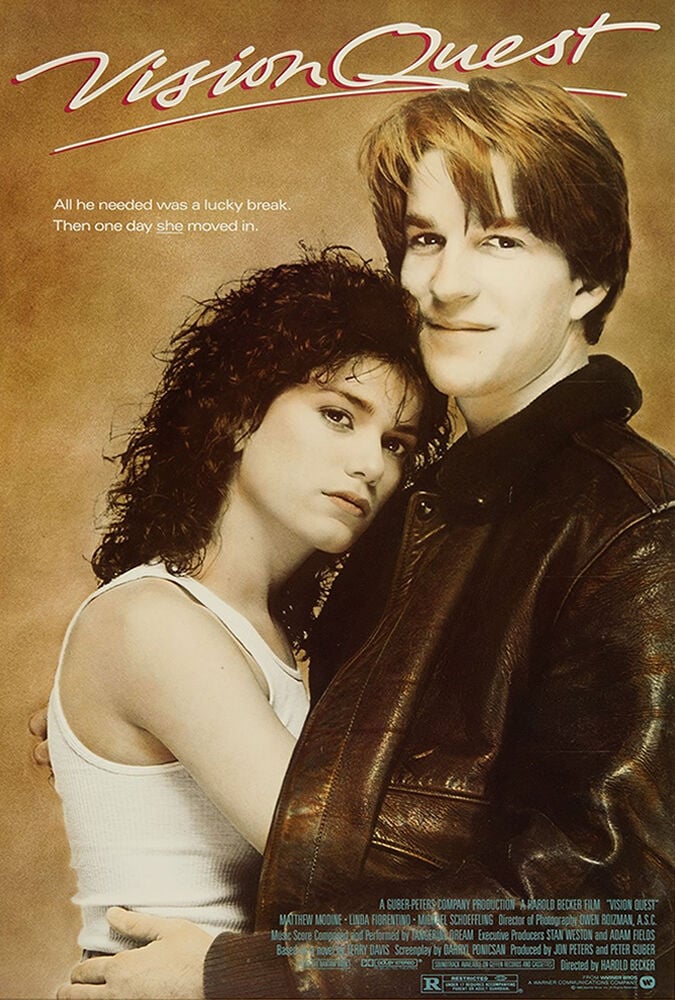
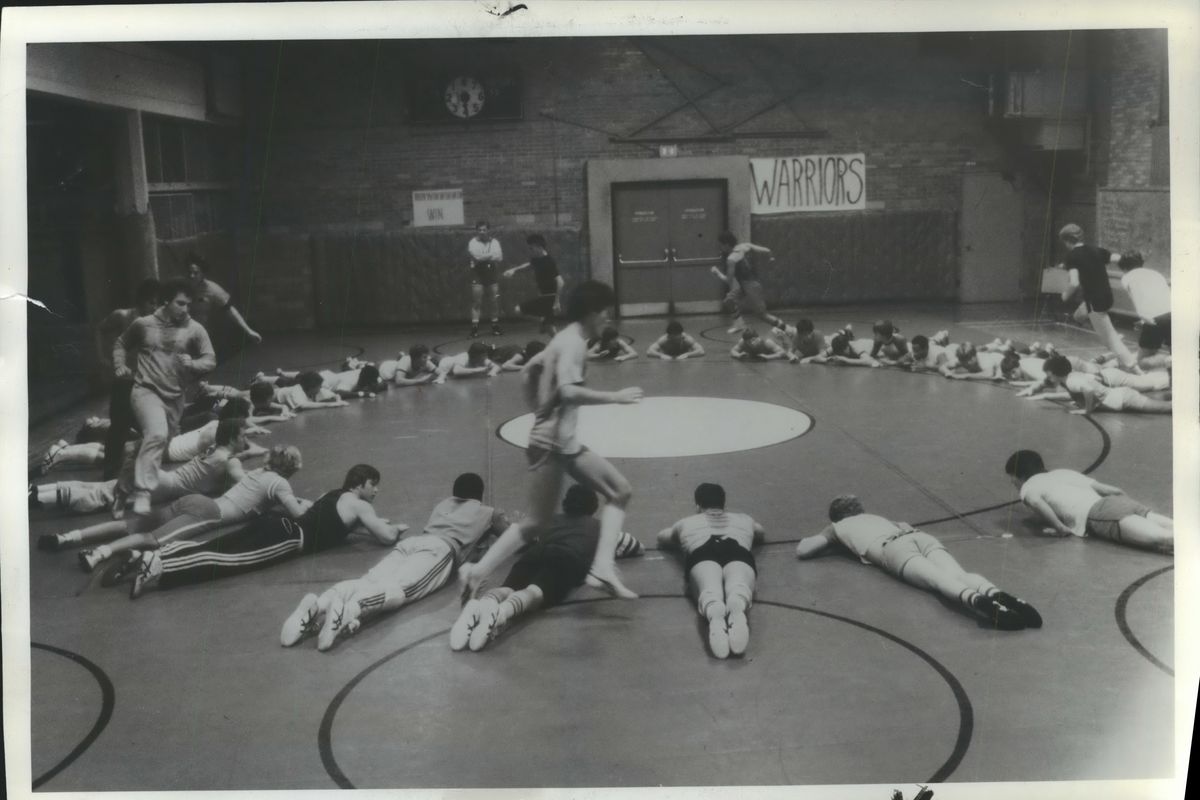
The high school romance and sports drama is set in Spokane, and various area high schools feature prominently in the film.
The movie follows high school wrestler Lauden Swain, played by Matthew Modine, as he struggles to drop a weight class ahead of a big match and falls in love with a much older woman.
Much of the movie revolves around the fictional Thompson High School. Scenes were shot at Rogers, Ferris, Mead, Shadle Park and North Central high schools.
“Vision Quest” was most famously Madonna’s film debut, when she played a local night club singer. Two of her singles were in the movie, and Madonna’s scenes were at the Bigfoot Pub & Eatery.
Weinbender said the Spokane setting was common among many of the most prominent movies filmed in the city. When it was easier to film elsewhere, a movie like “Vision Quest” filmed in Spokane because that is where it was set.
“If a film was set in the Pacific Northwest, a lot of them would film primarily in Canada, because they could mash our landscapes relatively well and it was lot cheaper to film there. If people wanted to film in Washington or in Spokane, specifically, it was a deliberate choice,” he said.
‘Benny & Joon’
Another teen romance set in Spokane, 1993’s Benny & Joon is best known for bringing rising star Johnny Depp to the city.
Depp played Sam, an eccentric drifter who comes into town and falls in love with the eponymous heroine Joon.
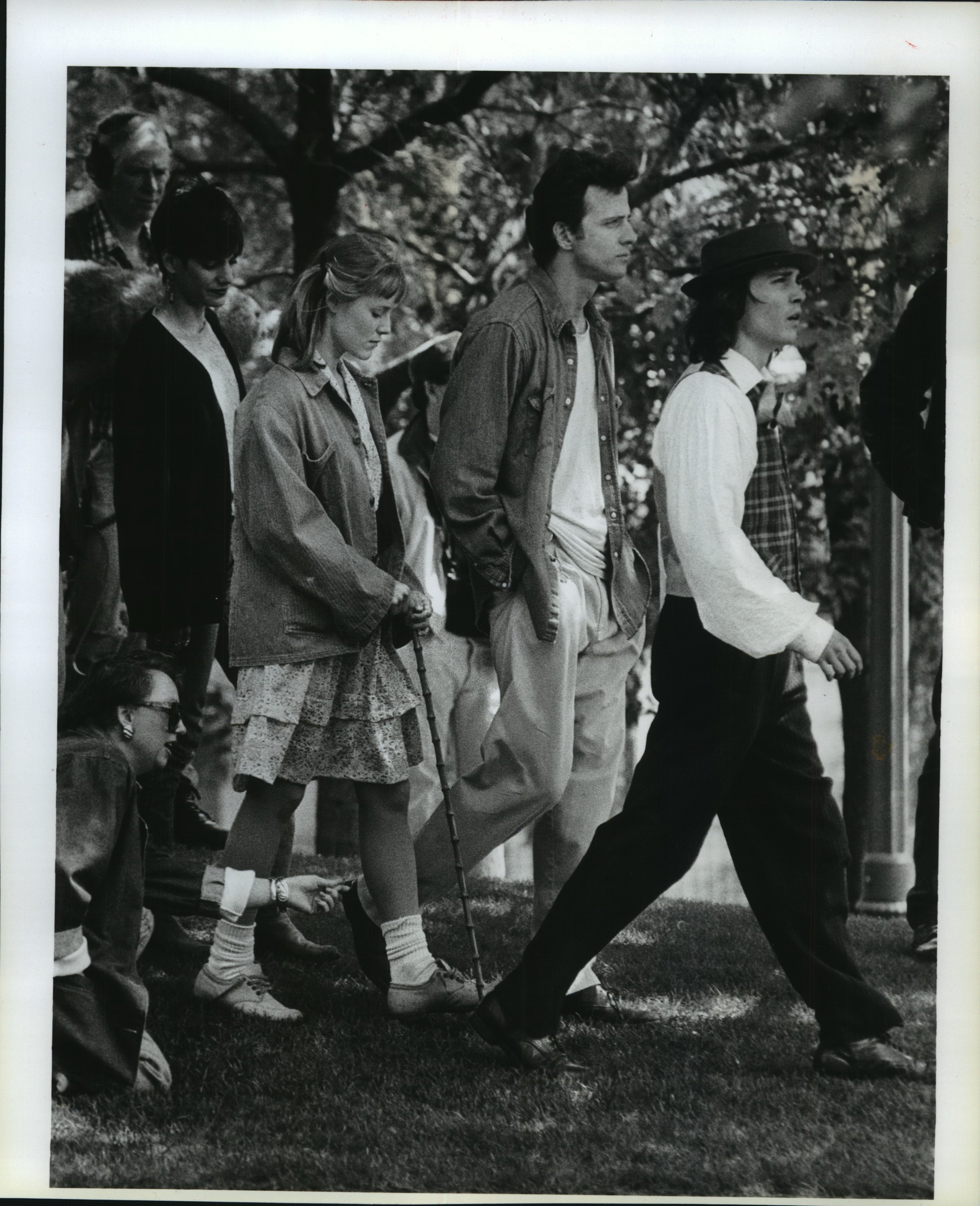
Depp garnered attention from Spokane’s eligible bachelorettes. According to a Spokesman-Review article at the time, young women interrupted filming at Riverfront Park to get his attention.
“In both movies, you have these really distinctive blue-collar milieus where the main characters are just trying to make ends meet,” Weinbender said.
Filming in Spokane at that time allowed these films to portray blue-collar industrial neighborhoods and buildings that may be more common in the city’s landscape than in other s in the West.
“We can double downtown Spokane for New York City,” Cohen said. “It has a lot of older brick buildings and back alleys that are more common on the East Coast. It’s something you don’t have in a lot of cities in the West because those buildings have been torn down.”
‘Smoke Signals’
Smoke Signals is the only movie partially filmed in Spokane to be selected for preservation by the Library of Congress.
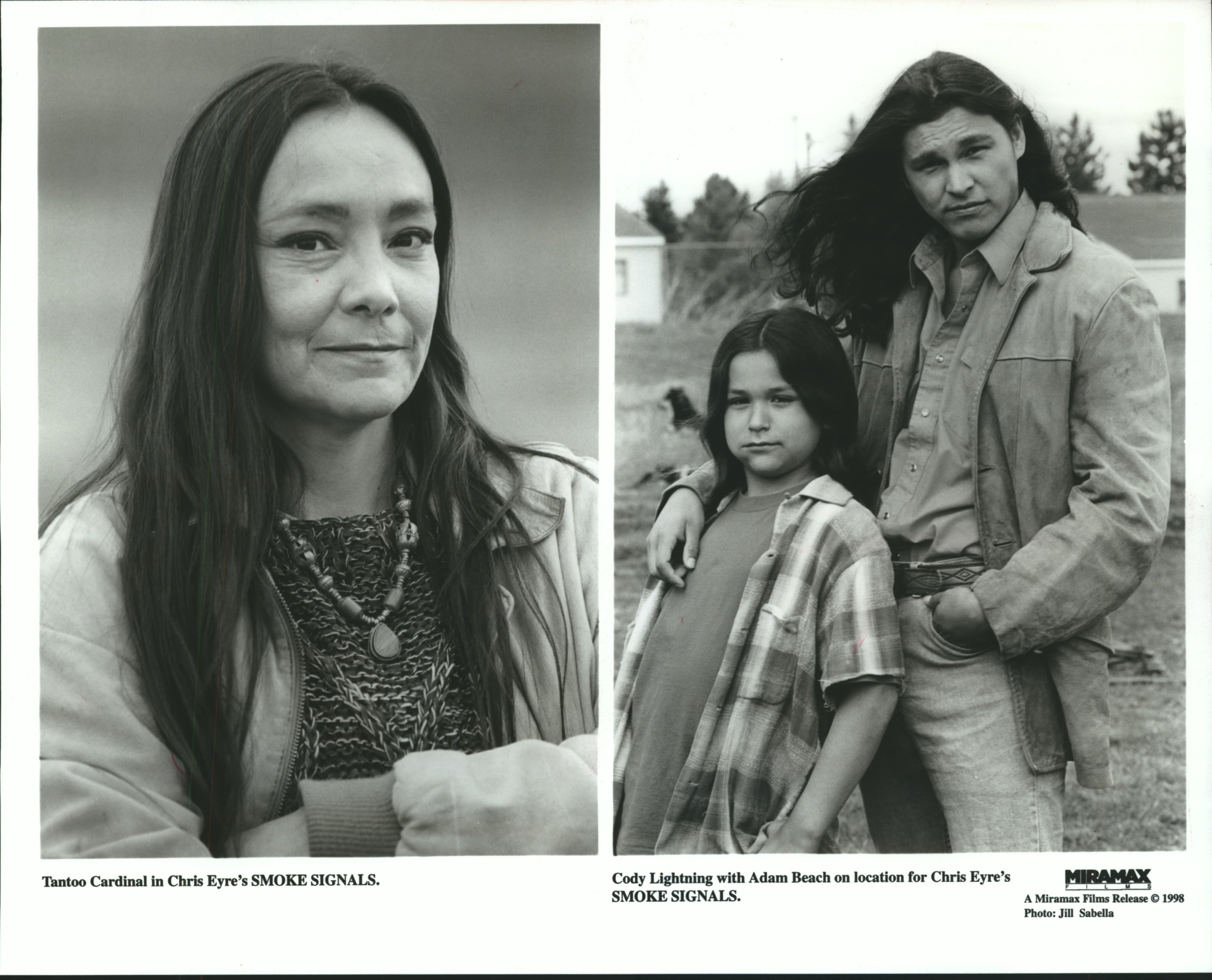
The film received the honor because it was one of the first in the United States to be written, directed and produced by Native Americans.
Primarily filmed on the Coeur d’Alene Indian Reservation in Idaho, some scenes were shot in Spokane. The film follows a pair of friends who road trip from the Idaho reservation to Arizona for the ashes of one character’s father.
The film received several honors, from the Independent Spirit Awards and the Sundance Film Festival. It received special commendation from the National Board of Review for achievement in filmmaking.
“This was the first feature of this caliber and size to have an entirely Native cast, and so many Native people behind the scenes” Weinbender said. “I know Native audiences have really clung to that film. It has really lasted and become a touchstone.”
‘The Basket’
The 21st century has seen the development of large-scale homegrown filmmaking in Spokane – largely driven through North by Northwest.
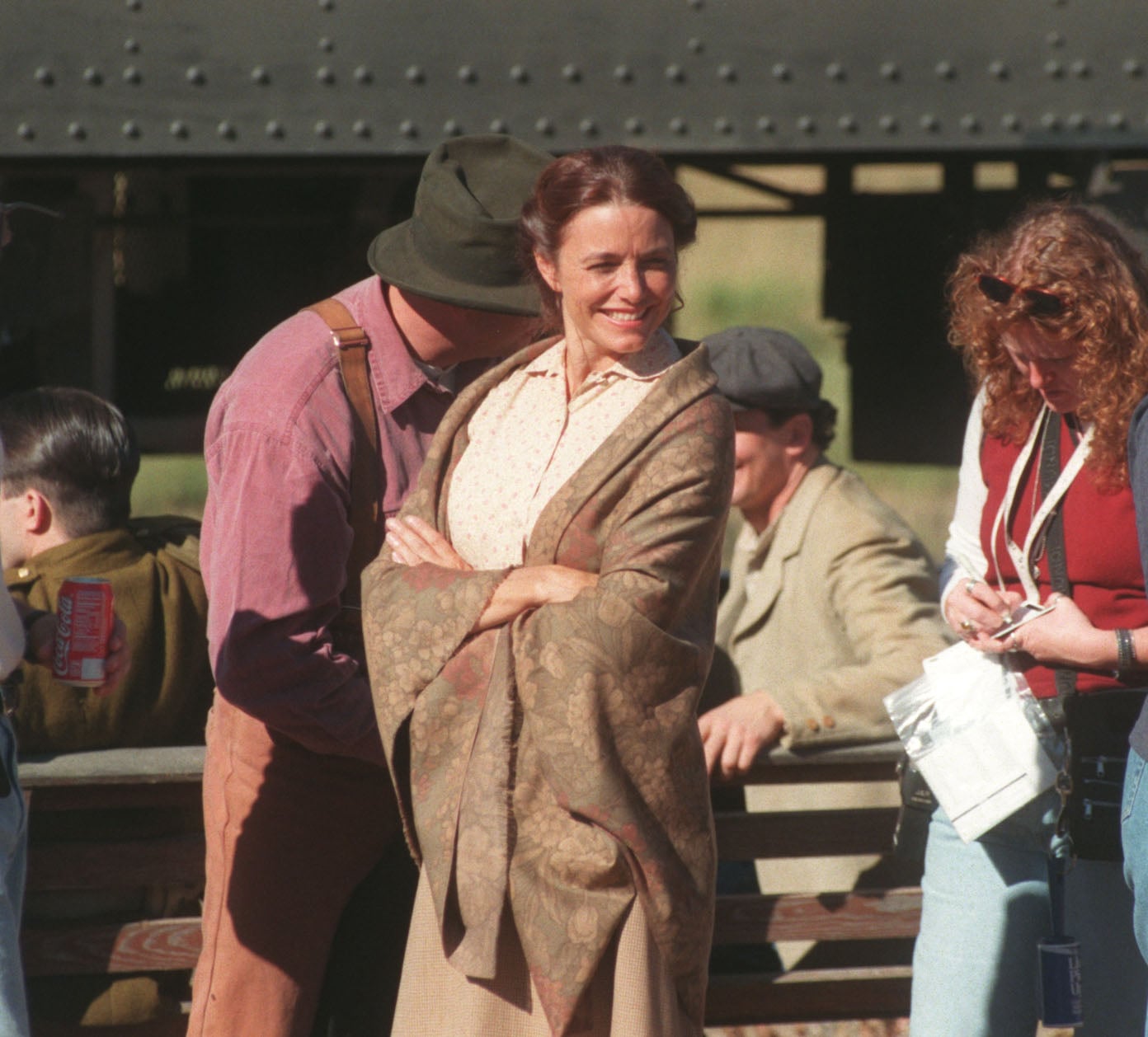
The film production company was founded in 1990 by Cowan and other partners. The Basket, released in 1999, was the company’s early foray to compete with larger film studios.
“We took that film to Cannes that year with our fledgling distribution company,” Cowan said.
The film ran for 12 weeks locally at the newly opened AMC theater in the downtown mall.
“The fact it was in this new theater kind of drew some attention with potential buyers down in L.A. It had some pretty decent box office numbers,” Cowan said.
The sports film follows a pair of German teenagers who emigrate to Spokane after World War I. They find a place in the community through the ups and downs of high school basketball.
Over their more than 35 years of operation, the film company has produced dozens of movies and several television shows in Spokane.
Weinbender called “The Basket” the “big bang” of independent filmmaking in Spokane.
“That movie is a lot of the origin of the industry coming to Spokane throughout that next decade,” he said.