
WSU hopes to meet new nuclear age in stride, 65 years after reactor on campus
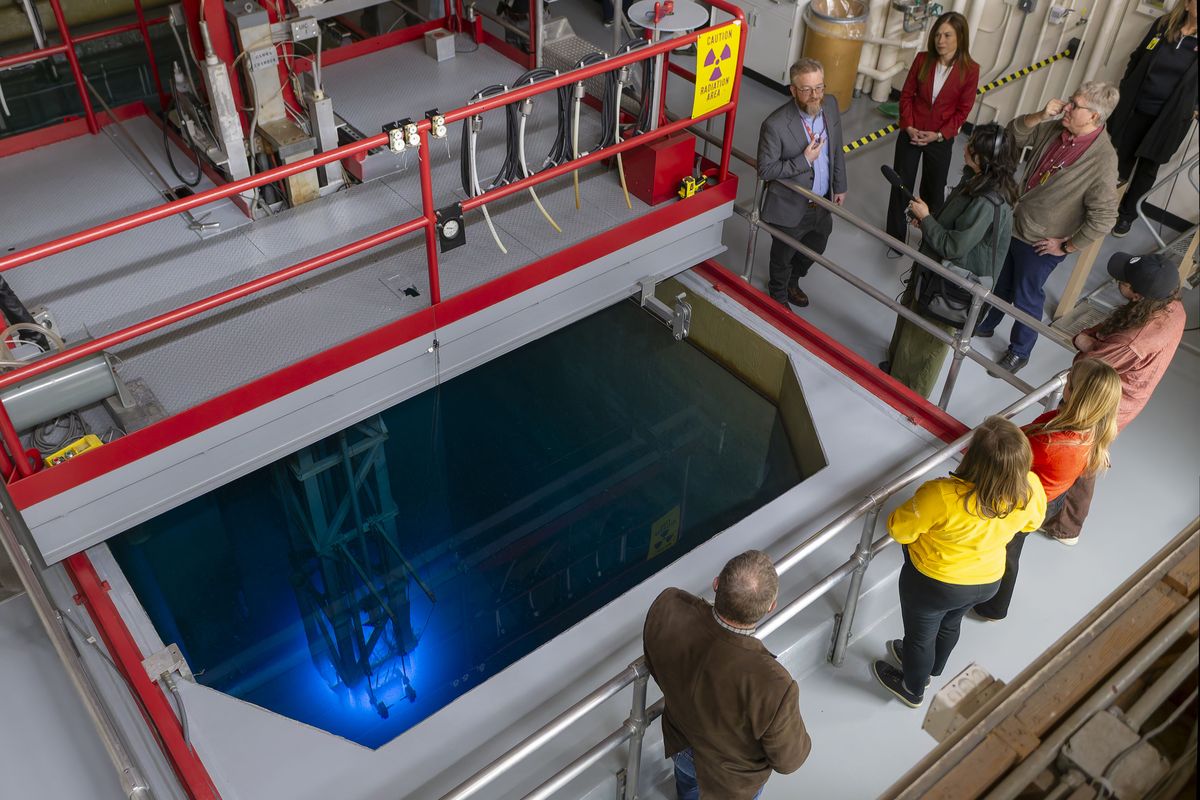
A new nuclear age is upon us.
That’s according to Corey Hines, the director of the Nuclear Science Center at Washington State University, who points to growing interest and new developments in next-generation reactors, medical advancements in cancer treatments and the state’s leading role in the effort to confront climate change.
Tech giants are investing heavily in nuclear energy as a salve for the power needs for data centers; U.S. military personnel are updating the nuclear arsenal; and nuclear energy safety directives have been overhauled by the Trump administration in an attempt to accelerate development of reactor designs.
Hines and the university want to be prepared to meet the moment – as the center celebrates 65 years of housing the only research reactor in the state, launches new training and degree programs and pursues a nearly $8 million expansion that will bolster the center’s abilities and reach .
“It may look like just a concrete box when we’re done with it, but it is surely more than that,” said Kim Christen, the university’s vice president for research.
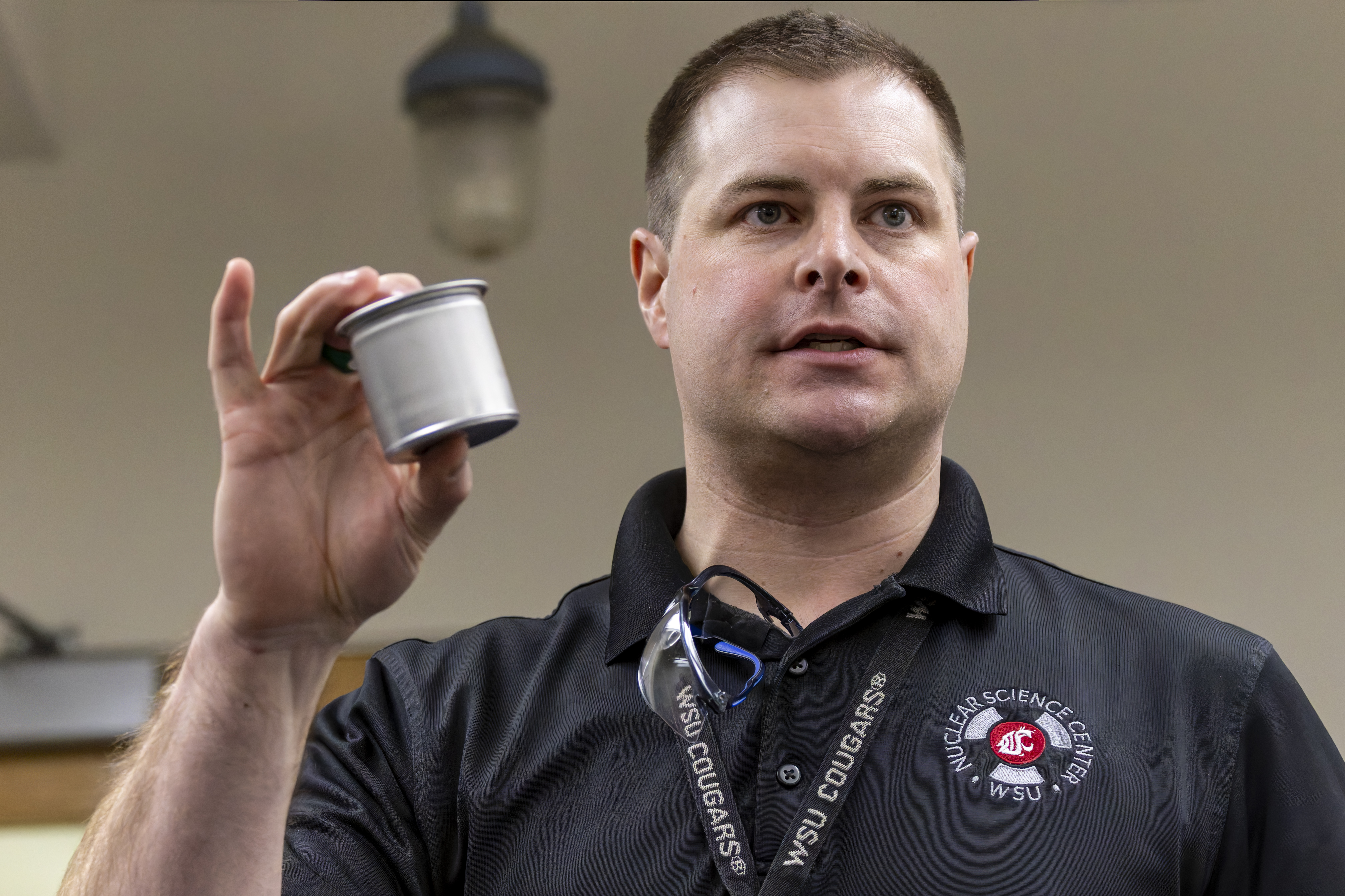
The center’s origins stretch back to the first Atomic Age through the man who helped get the 1 megawatt-reactor core running in 1961, Harold Dodgen, a faculty member of the university’s chemistry department. He earlier worked on the Manhattan Project as a student at the University of California, Berkeley.
The center is housed in the Dodgen Research Facility named in the former professor’s honor on the Pullman campus’ east end.
“It used to be that you’d say where you work and people had absolutely no idea,” Hines said. “It’s in between the two fairways in the golf course and a grizzly bear facility. I should have T-shirts that say when you golf on that course, you’re working around the nuclear reactor and a bear research facility.”
The center’s primary interest is research; private companies, national labs and peer institutions partner with the school on research that spans disciplines. For example, the reactor produces radioisotopes for geological dating and trains first responders on how to handle radioactive materials. It also has medical use – something the university hopes will increase with the $7.6 million and 5,000 -square -foot facility expansion.
Washington Sen. Patty Murray helped secure the funding for the expansion, but more funding will be needed to bring it to full fruition, Kristen said. The university hopes to establish three hot cells within the cement building to construct up to three 300,000-pound hot cells. The cells would allow for smoother research in-house on irradiated materials, rather than sending them elsewhere as the facility currently does.
Christen estimates the next stage of the expansion to cost between $23 and $43 million and likely will not begin until 2029. The university is exploring private and public funding sources to complete the expansion, she said.
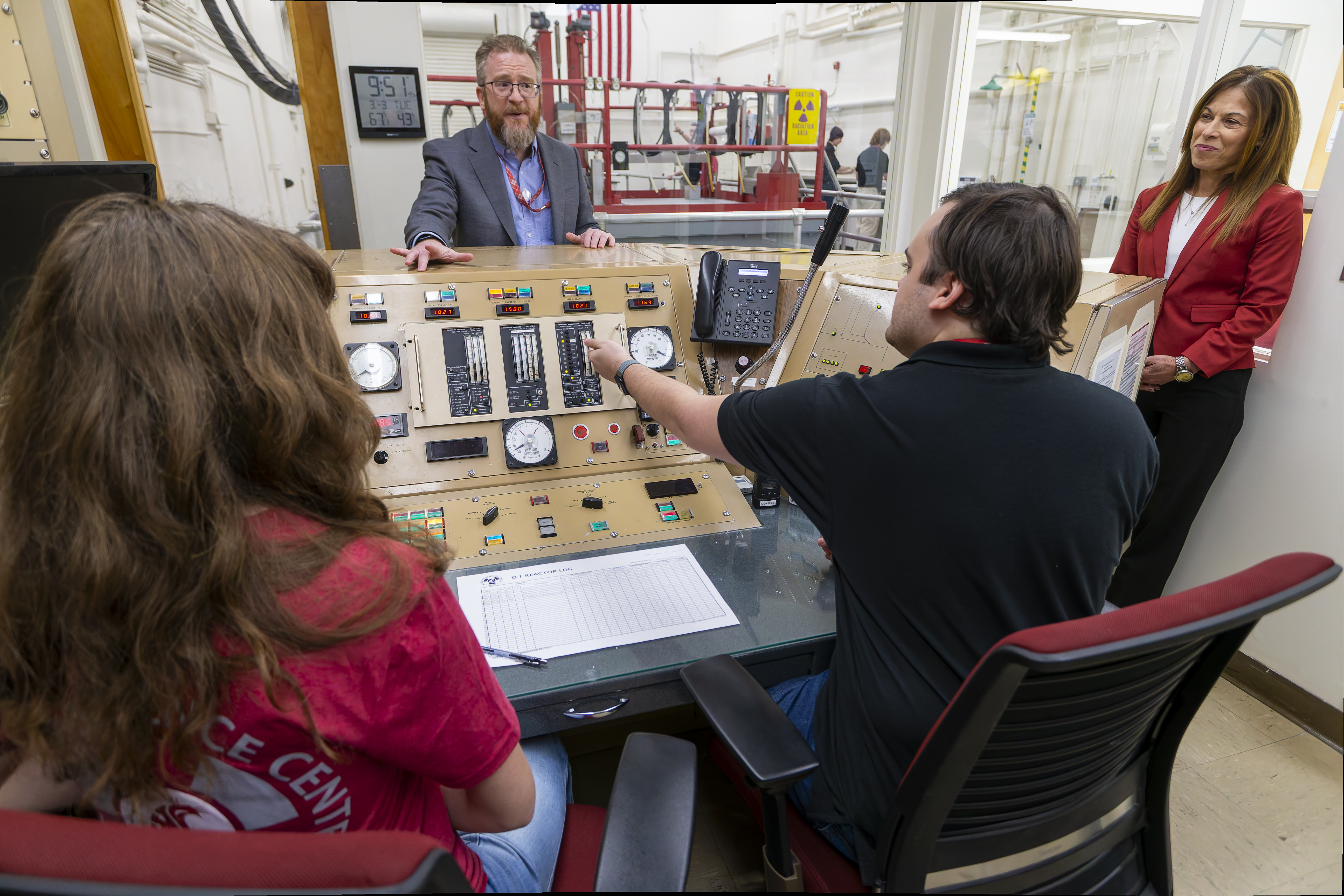
In the meantime, WSU is taking steps forward to supply what Hines described as a fast approaching gap in the nuclear workforce.
“I talk with industry pretty much every day these days, listening to problems, listening to areas where we can collaborate, areas that we can provide value and add to their operations,” Hines said.
More than 300,000 engineers, chemists, technicians, welders and electricians will be needed by 2050, Christen said. The center already trains students to earn their reactor operator licenses starting as early as their freshman year, but hopes to expand “degrees, certificates and micro-credentials,” Christen said.
“We put a high level of trust in those individuals, and they meet that expectation every day,” Hines said. “And so we want to branch out from not just reactor operations, but in other areas that we know that there are needs.”