
Delicious Dim Sum
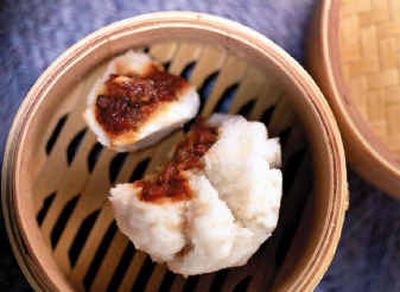
What it is: Cantonese for “heart’s delight,” Chinese dim sum can be as familiar as eggrolls and steamed dumplings or as exotic as chicken feet and jellyfish salad. Though many restaurants serve a standard dim sum menu, the more traditional way of enjoying these delicacies is via strolling waiters who push carts laden with assorted hot and cold dishes through the dining room.
What it’s all about: The tradition of dim sum originated in Chinese teahouses. Although it was originally taboo to serve tea and food at the same time – some believed the combination would lead to excessive weight gain – after several centuries, teahouse proprietors began serving small snacks to accompany their steaming pots of green tea.
Today, dim sum is a staple served throughout China and in American “Chinatown” enclaves from California to New York, usually during brunch hours that can stretch from early morning into late afternoon.
Why we like it: When it comes to food, I’m all about variety. After all, the only thing better than a plate of plump, doughy pork dumplings is an array of dumplings, some boiled, some steamed, some pan-fried, some deep-fried till crisp and blisteringly hot. But though dumplings are the heart and soul of dim sum, they’re hardly the only attraction. Other traditional offerings include pork spareribs, barbecue duck and golden-baked buns that may be filled with anything from hoisin-laced pork to a sweet cream dessert filling.
Because the portions are small (usually two to four pieces) and inexpensive ($2 to $5 per dish), it’s easy to sample many flavors and experiment with some authentic, unusual dishes that might otherwise go untried (braised pig’s foot, anyone?)