
Popular arthritis drug Vioxx recalled
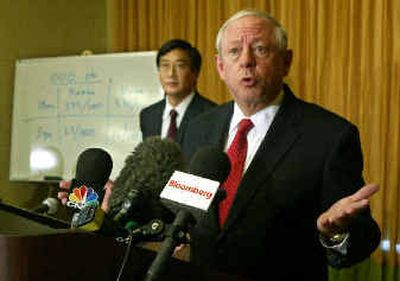
TRENTON, N.J. — Merck & Co. is pulling its blockbuster Vioxx from the market after new data found the arthritis drug doubled the risk of heart attacks and strokes. Merck’s stock plunged almost 27 percent as the pharmaceutical giant said the recall will hurt its earnings.
Merck said Thursday the clinical trial data showed an increased risk of heart attack and other cardiovascular complications 18 months after patients started taking Vioxx, which also is prescribed for acute pain and disorders such as carpal tunnel syndrome.
The three-year study — aimed at showing that Vioxx could prevent the recurrence of polyps, which can turn cancerous, in the colon and rectum — was stopped after Merck discovered participants had double the risk of a heart attack compared to those taking a placebo.
“It’s a disaster for Merck, coming at the worst time,” said independent health care analyst Hemant Shah of HKS & Co. in Warren, N.J.
At least one plaintiffs’ attorney announced plans for a class-action lawsuit against Merck. Another claimed to represent 58 patients around the country allegedly harmed by Vioxx, including people who suffered a heart attack, stroke, internal bleeding or kidney failure.
Merck spokesman Tony Plohoros said the company anticipates additional personal injury lawsuits over Vioxx may be filed and will defend them vigorously.
About 2 million people worldwide use Vioxx, Merck said, and 84 million prescriptions have been filled since it came on the market with great fanfare in 1999. It is one of Merck’s most important drugs, with $1.8 billion in U.S. sales in 2003 and global sales of $2.5 billion — 11 percent of the company’s $22.49 billion in revenue that year.
But Vioxx sales dipped 18 percent in the second quarter of this year to $653 million, partly due to increasing concerns about an elevated risk of heart complications.
Medical experts advised patients Thursday to stop taking Vioxx and consult their doctor about alternatives.
Merck said the recall will slash about 50 cents to 60 cents a share from its earnings for the rest of this year. That includes foregone sales, writeoffs of inventory held by Merck, customer returns of product previously sold and other costs of the pullback. Merck expects foregone fourth quarter sales of Vioxx of $700 million to $750 million alone.
Merck, based in Whitehouse Station, N.J., had previously been expecting 2004 earnings per share of $3.11 to $3.17.
“We’re taking this action because we believe it best serves the interest of patients,” Ray V. Gilmartin, Merck’s chairman, president and chief executive, said in a statement.
Plohoros said that because of the expected drop in revenues, Merck will shift people who worked on Vioxx to other areas that would increase revenues, but not all would find new jobs. He could not give an estimate on job cuts, but said those affected would include scientists who have been doing ongoing studies on Vioxx, sales and marketing staff and manufacturing employees.
Shares in Merck, one of the world’s biggest drug makers, plunged $12.07, nearly 27 percent, to close at $33.00 on the New York Stock Exchange. That wiped out $28 billion in market value. More than 140 million shares were traded, compared to a daily average below 10 million.
Shah said for Merck, the Vioxx withdrawal comes “at a time when they really need to get ready for expiration” of its patent for Zocor, the cholesterol treatment that is the company’s top-selling drug.
Zocor loses patent protection early in 2006 and sales are expected to plunge against generic competition.