
The buzz is warm winter may bring bad year for bugs
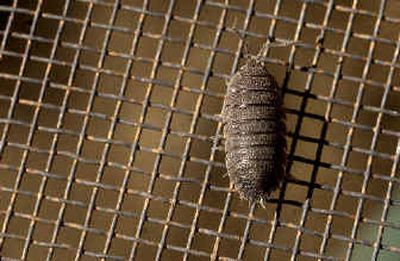
Tiny, fluttering signs of a weak winter’s early crash are appearing: Moths are showing up for streetlight dances, mosquitoes are marshaling on metal screens, yellow jackets and bees are sampling the season’s first flowers, and bloody splotches are already popping up on car windshields.
“Yes, it’s a very early year,” said Richard S. Zack, associate professor of entomology at Washington State University. “If it stays this mild, this could be a bad year for many types of insects.”
Although March weather can be wildly unpredictable, insect experts say the season is setting up to be a banner year for bugs. The warm and dry conditions are prompting beetles, flies, moths, bees and yellow jackets to emerge between two weeks and a month earlier than usual. This could be enough extra time for some species to put out an extra generation by summer’s end.
“The earlier they get started, the more time there is for populations to develop,” said Ladd Livingston, a forest entomologist with the Idaho Department of Lands.
Foresters were hoping for a hard freeze early in winter, and still hope for one before the season ends, to help curb forest insect infestations, including bark beetles, Livingston said. A hard freeze could still happen, though most experts believe it would take a sustained period of temperatures in the teens or colder to have much of an effect at knocking down bug numbers.
The prospects for a long cold spell appear to be melting. The record low for Tuesday was 12 degrees in Spokane and 8 degrees in Coeur d’Alene. If anything, the chances are likely that record highs could be broken, according to forecasts from the National Weather Service.
A week or two of wet, soggy weather would also create prime breeding conditions for bacteria and fungi, which can help control insect populations. Light rain showers are possible today, but the warm, dry weather should return for the weekend, according to the National Weather Service office in Spokane. The agency’s long-term forecast suggests the strange weather pattern will likely continue through at least May.
Terry Evans, an office manager for Empire Spray, of Spokane, said the pest control season is running about two or three weeks earlier than usual. Even with the mild winter, Evans refused to tempt fate by making any longer term weather and insect predictions.
“Never. Not in Spokane,” he said. “We could be snowplowing before the month is over.”
Spring weather plays a major role in determining population size for yellow jackets, said Zack, the WSU entomology professor. The few yellow jackets that have already emerged are likely pregnant queens, looking to establish colonies. In normal years, Zack estimated that 70 percent to 80 percent of colonies do not survive spring rains, cold spells or natural predators.
“The better the weather, the more that will make it to maturity,” Zack said. “If this continues like it is, without that cold and wet period, if somebody was to ask me for a prediction, I’d say we could have a pretty good problem with yellow jackets this year.”
Zack said he usually hesitates to make predictions, but this year definitely seems to be different. Evidence is literally flying before his eyes.
“I killed four mosquitoes at my house yesterday,” Zack said.
Tree fruit growers are watching the situation carefully, said Michael Bush, an entomologist with WSU’s Extension Service in Yakima. Early emergence of certain pests, including codling moth, demands extra vigilance right now. Some insects reach breeding age in less than two weeks, with each new hatch causing exponential growth.
If fruit tree pests are allowed to escape control early in the season, “It’s really hard to play catch up,” Bush said.
The warm weather is also setting the stage for an early cherry and apple harvest, Bush said. This can be good news for apple growers because early harvests usually equate to the best prices. But it could be financially disastrous for cherry growers, putting their fruit on the market at the same time as California’s crop, Bush said.