
FDA nominee grilled on handling of Plan B

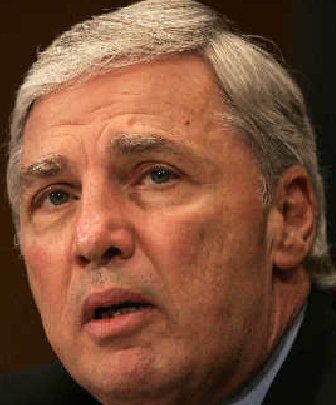
WASHINGTON – Dr. Andrew von Eschenbach, nominated to head the Food and Drug Administration, insisted at his confirmation hearing Tuesday that “medical ideology” – not politics – guided his handling of proposed over-the-counter sales of the morning-after contraceptive.
Senators hammered von Eschenbach about the timing and substance of a surprise FDA announcement that it would again consider expanding access to the emergency contraceptive known as Plan B. The announcement came Monday on the eve of the confirmation hearing before the Senate Health, Education, Labor and Pensions Committee, and was the latest word in the three-year quest to widen access to the pill, made by Barr Pharmaceuticals Inc.
“We all know what’s going on here,” said Sen. Tom Harkin, D-Iowa, a committee member. “This is a disregard for science out of ideological concerns.”
Von Eschenbach said he decided to consider allowing women 18 and older to buy the pills without a doctor’s prescription “not on a political ideology, but on a medical ideology.” He said data did not support safe over-the-counter use by minors.
The FDA has been without a permanent leader for all but 18 months since Bush took office in 2001. Von Eschenbach has led the agency on an acting basis since September. The committee did not vote Tuesday on his nomination.
Sens. Hillary Rodham Clinton, D-N.Y., and Patty Murray, D-Wash., have placed a hold on the nomination until the FDA makes a final decision on the emergency contraceptive. Clinton said the hold was intended to “draw a line” against “politicizing the FDA.”
Von Eschenbach said the timing of a decision on Plan B depended on Barr. Later, Barr spokeswoman Carol Cox said there was no word on when the company and FDA would even meet. FDA spokeswoman Susan Bro said the agency expects to meet with the company on Monday.
Plan B is a high dose of the most common ingredient in regular birth control pills. Taken within 72 hours of unprotected sex, the two-pill series can lower the risk of pregnancy by up to 89 percent.