
Weatherizing pets
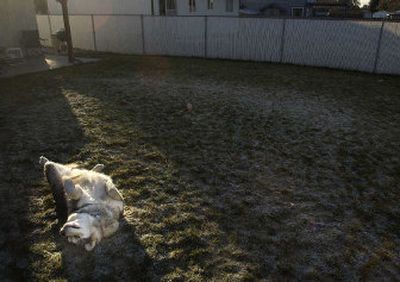

When the temperature drops and the snow flies, we put on the snow tires, turn off the outside water and leave a pair of boots by the front door. Our pets need special attention in the winter, too, even if the only time they venture outdoors is for a quick potty walk. Here are some suggestions for “winterizing” the pets:
“As a general rule, dogs and cats should be brought indoors when freezing weather arrives. Frostbite does occur in outdoor animals. Some dogs, especially huskies and malamutes, can stay comfortable even at very low temperatures as long as they have shelter from wind and rain. Dogs and cats that live entirely outdoors need a watertight, elevated shelter with bedding and a heat source. Heated floor pads are much safer than heat lamps. Ideally, a shelter should have a flap at the door to keep out drafts and be small enough to help hold in heat. Pets also must have a heated water bowl so their water doesn’t freeze. Unless a pet is already overweight, it is best to increase their calorie intake by as much as 20 percent during winter months.
“Icy uneven surfaces can cut up paws. Some dogs and cats have long hair between their toes that snow will stick to. As it warms and then refreezes, the snow forms painful ice balls between the pads. Imagine walking with marbles in your shoe. Try to wipe paws down with a damp cloth when your dog returns from a walk or your cat comes in from the yard. Nylon boots are available for dogs and protect them from lacerations and chemical irritants. Trim back the very long hairs between your dog or cat’s toes. If there is still a problem with ice balls, spray edible vegetable oil spray, such as Pam, on the bottoms of the feet or apply Vaseline before the pet goes outside.
“Antifreeze, even in tiny amounts, is deadly to pets. It tastes sweet, and animals generally will drink it if they encounter it. If you winterize your own car, try to contain any possible drips and dispose of toxic materials properly. Using propylene glycol instead of ethylene glycol is a safer alternative. If you think there is any chance that your pet ingested or walked through any antifreeze on the ground, call your veterinary hospital or emergency center immdiately.
“Every winter, veterinarians dread seeing the horrible injuries inflicted by fan belts. Cats often crawl up into the engine compartment of a parked car to warm themselves. Keeping your cat inside or having an alternative heat source available will help. Try to remember to bang on the hood or honk the horn before starting the car, so if a cat is by the engine, it will get out.
■Poinsettias are popular this time of year. The plants can irritate the stomach and mouth and cause vomiting, but they rarely cause serious damage. Mistletoe, on the other hand, is highly toxic, especially the berries, and it probably shouldn’t be in a household with pets. Cats often become sick or get intestinal obstructions from eating fake snow or tinsel. Know your pet. If she is likely to get into the decorations and plants when you’re home, then she’s likely to succeed in doing that when you’re away.
With these guidelines in mind, we all should get through winter relatively unscathed. If you have a special concern or a particular dilemma with one of your outdoor pets, call your veterinarian for more specific advice.