
Rhubarb needs some TLC
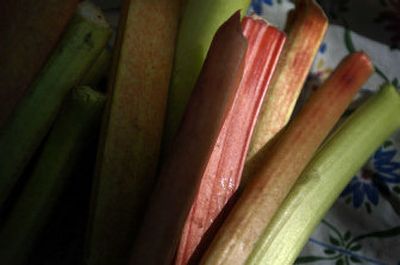
My rhubarb is beginning to get small leaves and isn’t growing well. What is its life span? Is it time to dig it up and start over?
Bobbi Frank, Spokane
A good rhubarb plant can be productive for eight to 10 years. Rhubarb likes deep, well-drained soil, rich in organic material. It is a heavy feeder and likes a handful of 10-10-10 fertilizer early in the spring and a top dressing of compost or rotted manure in the early spring or fall. Water it regularly, especially during hot weather.
If your clump is in this age range and getting all the right food and water, it may be time to divide it.
Rhubarb roots can be divided in late March by cutting the large root with a sharp shovel so there are several growing buds on each piece. Replant your divisions in a large hole augmented with generous amounts of compost or manure. Place the root crown two inches below the ground. Leave at least four feet between plants.
Don’t harvest any stalks from a new rhubarb plant its first year of growing. The second year you can harvest for three weeks, and then as long as stalks are being produced in subsequent years. Never harvest more than a third of the stalks at a time.
Pull stalks from the plant rather than cut them. A gentle tug and twist should pull them free. Discard the leaves in the compost. Don’t eat rhubarb leaves as they contain oxalis acid which can cause severe poisoning.
Bluegrass blues
Annual bluegrass is a problem in my grass. How can I get rid of it? What time of year is it best to treat this?
Edna Smith, Spokane
Annual bluegrass is such a problem in lawns and golf courses here that some people have given up controlling it and let it take over. Here’s why: It can grow year-round if we have a mild winter. It begins setting seed from early spring and keeps going until mid-June on seed heads that grow only an 1/8-inch above the ground, in other words well below mower blades. And the seeds are easily picked up and moved around by mowers, birds and foot traffic. Lastly, that seed germinates in the late summer and early fall when we aren’t looking for new weeds as closely as we are in the spring.
Annual bluegrass doesn’t tolerate heat, intense cold, drought or humidity stress and tends to die out when these conditions are present. Since we have just experienced the first really cold days we have had for a number of years, that option is out.
Cultural controls include maintaining a healthy lawn. Mow it at the right height, make sure you aerate regularly and fertilize properly at the right time and in the right amount. If you have small patches, they can be dug out early in the spring before they begin to set seed. Cover the new bald spot with mulch immediately to keep new plants from sprouting.
Pre-emergence herbicides like Ortho Garden Weed Preventer, Scot’s Turf Builder with Halts and Vigoro Crabgrass Preventer are effective if applied in very early August before the seed begins germinating. Read and follow label directions.