
‘Morale is down,’ UAW leaders say
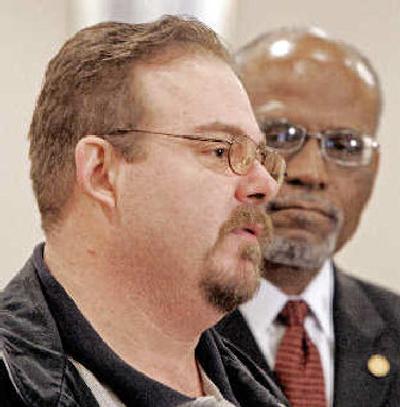
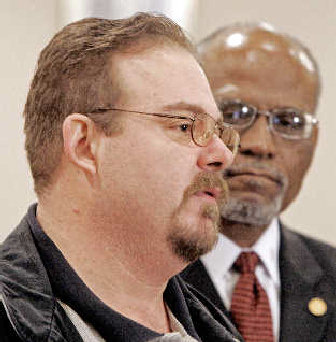
DEARBORN, Mich. — Morale amongst some of Ford Motor Co.’s work force was decidedly low in the Dearborn area Monday morning following the announcement that the automaker is slashing 25,000 to 30,000 jobs and shuttering 14 assembly plants as part of a massive corporate restructuring.
“Obviously, morale is down,” said David Toth, a product designer at Ford. “My heart goes out to the hourly workers who are losing their jobs, but a week from now, it could be me in that same situation.”
Ford Chief Executive Officer Bill Ford said Monday that the company would cut 12 percent of the company’s officer ranks by the end of the first quarter, along with a previously announced 10 percent reduction in salaried worker costs.
United Auto Workers President Ron Gettelfinger and Vice President Gerald Bantom, who directs the UAW National Ford Department, issued a statement expressing disappointment with Ford.
“The restructuring plan announced this morning by Ford is extremely disappointing and devastating news for the many thousands of hardworking men and women who have devoted their working lives to Ford,” the statement said. “The impacted hourly and salaried workers find themselves facing uncertain futures because of senior management’s failure to halt Ford’s sliding market share.”
“People have been talking about this for two weeks now,” said Sindy Pinson, a waitress at The Parthenon II Coney Island, located in a strip mall on Ford Road. “I feel terrible for all of those families, because it affects everybody.”
“This is really bad,” said Maria Vozis, another waitress at Parthenon II. “The workers are blaming the big shots for this. You see before, they blamed Jacques Nasser for what happened.”
Four years ago, former Ford Motor Co. CEO Jacques Nasser was ousted following the company’s 2002 revitalization program. At that time, Ford said it planned to close five plants and layoff some 35,000 worldwide.
“I think Nasser was responsible for a lot of the morale problems at Ford and things haven’t changed much,” said Bill Hardy, an automotive engineer with Visteon Corp. and a former employee of Ford. “The ship still needs to be righted, in my opinion.”
In Batavia, Ohio, where an 1,800-worker transmission plant is scheduled to close in 2008, county officials worried about the impact on the community’s bottom line.
The Ford plant in Batavia paid real-estate taxes of $497,000 and personal property taxes of $1,037,000 to the Batavia Local School District in 2005, superintendent Barbara Bradley said. That’s about 10 percent of the district’s annual budget.
“To come up with a solution for losing $1.5 million immediately is an impossible task,” she said. “But we’ll try to recoup it through other means.”
Gettelfinger and Bantom warned that “the announced plant closings and future announcements are the subject of ongoing discussions with Ford. Certainly, today’s announcement will only make the 2007 negotiations all the more difficult and all the more important.”
Yet the hourly workers at Ford Motor Co. who will be out of a job won’t go without a paycheck.
Since 1984, UAW workers laid off for an extended period of time because of a plant closure or production cutbacks continue to receive full wages and benefits.