
Knapweed hard to control

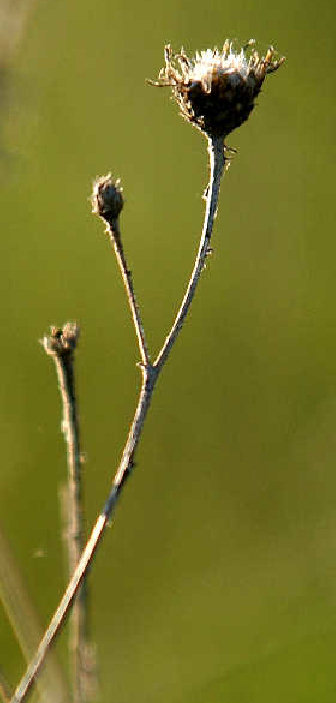
We have 15 acres of land covered with spotted knapweed in Spokane Valley. Should we cut it before we spray it?
Linda Green
Spotted knapweed is the bane of a lot of landowners in the region. It and its cousins, diffuse and Russian knapweed, are on the Spokane County noxious weed list which means landowners are required to control it. In your case, it’s still early enough to spray it without cutting it first if you do it right away. If it were close to flowering at its usual time by early to mid July, mowing to remove seed heads would be in order followed by spraying.
Spotted knapweed is on the noxious weed list because it colonizes disturbed and overgrazed land easily and then disrupts the growth of plants around it. Without other plants around, it creates a monoculture of itself that domestic animals, except goats, sheep and wildlife, won’t eat.
Mowing is the minimum acceptable control but it has to be done before the plant flowers and may require follow-up mowing later in the year. A combination of mowing and spraying with the proper herbicide at the proper times of the year, and then reseeding infested areas with grasses to restore a plant cover, is the best long-term solution. It will take diligence over several years to control it.
There are biological controls available for knapweed but it is difficult to establish the colonies of insects, takes large tracts of land to support the insects and will require several years to take effect. For more information, call the Spokane County Cooperative Extension Weed Education Program at (509) 477-2173 or the Spokane County Weed Board at (509) 477-5777.
Plants covered in spit
Please help, all my plants are covered with little balls of spit. I only see a little green bug inside the spit. What is it and what is it doing to my plants?
Barb Davison
Our cool, very wet spring is bringing out a bumper crop of bugs, to say the least, this year. What you have is spit or spittle bugs. These green or brown bugs are the nymph stage of the bug. They cover themselves with the spittle to keep from drying out and as protection from predators. More than anything, they are an annoyance and don’t do too much damage to plants. As soon as they turn into adults, they will be gone. The best and easiest thing to do now is simply spray them off the plants with a stream of water. There isn’t any reason to use a chemical on them because you can’t get through the spittle.
Aphids are also having a field day this year. Dislodge them with a good spray of water or use a little insecticidal soap. Refrain from using heavier chemicals because the chemicals also kill the beneficial insects like lady beetles and lacewings that can actually put a big dent in the aphid population if they are given a chance.