
Guard pets from toxic plants
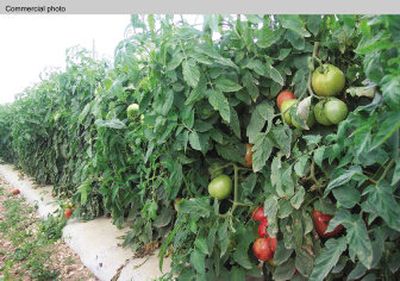

Could you guide me to a source to obtain a list of plants that are toxic to dogs? We have a puppy that will eat flowers, vegetables, weeds and the stems, leaves and roots of all. I’ve heard that tomato leaves are toxic and am wondering how many other things are in my yard and garden.
June Roloff, Spokane
Ah, yes, puppies. I never count the number of feet on the kids in my house, they are all the same. The two-footed one just got married and the four-footed one, a cat, is very bored with winter.
The American Society for the Prevention of Cruelty to Animals Animal Poison Control Center has a very good Web site with lists of plants and information on how to use their poison control center hotline. It is a fee-based service that appears to work much like the human version; go to http://www.aspca.org.
I also found a detailed list of plants credited to the ASPCA at http://www.uexplore.com /health/poisonplants.htm. You can click on each plant and link to detailed information on that plant. Among the more common ones on the list are: daylilies (especially for cats), daffodils, foxglove, morning glory, green parts of tomato plants and leaves of rhubarb, rhododendron and aloe, as well as many houseplants. When in doubt, always ask your veterinarian.
English garden advice
I have started a little English garden and would appreciate advice on what I’m supposed to plant, how I’m supposed to care for it and so on. I have a variety of plants that I put in the ground last spring and they survived the summer and I’m hoping to see them again in a few months. Any suggestions will be appreciated.
Beverly Vorpahl, Spokane
The term “English garden” encompasses a lot of styles, ideas and plants. In the present day, it is considered by many to be an expression of whatever the gardener (you) wants it to be.
From the Roman times, English gardeners borrowed or reworked ideas from other cultures and the natural world around them. Through the ages, the styles have varied from formal to informal, simple to grand and sophisticated to almost folksy.
The English garden style we most commonly relate to today was created by Gertrude Jekyll (pronounced GEE-kle) in the early 1900s. She popularized the perennial border and the planting of flowers in color palettes that bloomed successively through the season. She treated the garden and its house as an integrated whole, and used walls and fences as design elements covering them with climbers. She added shrubs and small trees for structure. For her, any plant that enhanced the characteristics of another was considered a proper plant for the garden.
So plant whatever you want. It’s your garden, so develop it as you wish.
As to its care, plant according to the time you want to spend on it or have available. Plant easy-care and drought tolerant plants. Plant them close together to help keep weeds down. Above all else, just play with it.