
Blossoming event
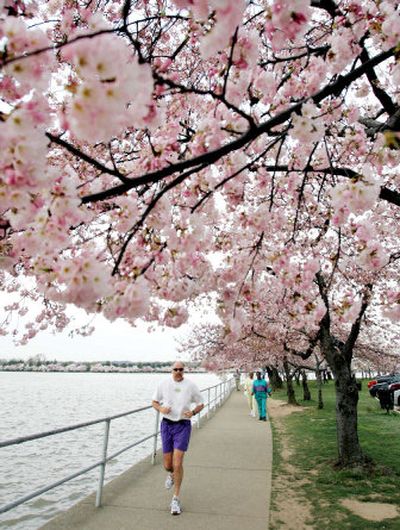

WASHINGTON, D.C. – Officials in the nation’s capital are preparing for the 2006 National Cherry Blossom Festival, an event expected to bring more than a million visitors to the city and pump millions of dollars into the region’s economy.
“It’s been bigger and bigger every year,” Mayor Anthony A. Williams said of the two-week event marking the start of the District of Columbia’s peak tourism season.
This year’s festival begins Saturday and runs through April 9.
While the 3,000 flowering cherry trees planted around the Potomac River Tidal Basin remain the central attractions, annual tree plantings in the district’s eight wards have spawned other events, including the Anacostia Cherry Blossom Festival in a working-class neighborhood east of downtown.
“We are presenting over 200 performances and demonstrations throughout the two weeks,” said Diana Mayhew, executive director of the festival.
A parade, fireworks and a Japanese cultural celebration will “paint our town pink,” said festival president Sue Porter.
The festival commemorates the March 27, 1912, planting of the first two cherry trees by First Lady Helen Taft and the wife of the Japanese ambassador.
A few of the original 3,020 trees donated to Washington on behalf of the Japanese capital of Tokyo remain. Others were cultured from cuttings taken from the original trees.
“New York owns Christmas and shopping, and we own the spring and cherry blossoms,” said William A. Hanbury, president of the Washington Convention and Tourism Corporation.
According to agency research, 36 percent of the people who attend the festival are visitors from beyond the Washington region. Hotel occupancy during the festival averages 84 percent, or 12 percent above seasonal levels.
While weather determines the peak blooming period for the cherry blossom trees, nighttime temperatures near or below freezing have allowed most trees to remain dormant during the area’s mild winter.
The peak blooming period for the cherry trees around the Tidal Basin will occur from March 27 to April 1, according to Robert DeFeo, chief horticulturist for the National Park Service. DeFeo defines peak blooming as when 70 percent of the blossoms are open.
For updates on the blooming schedule go to www.nationalcherryblossomfestival.org.