
IPods help build teens’ character
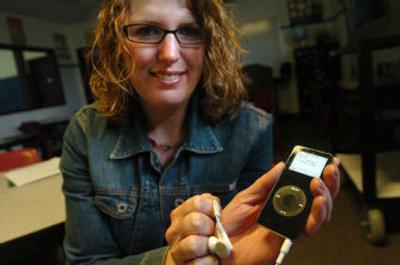
In the outside world, iPods are a technological fashion statement. The must-have portable music players provide a real-time soundtrack to the lives of a growing number of young people.
On the inside, they’re rewards for good behavior, given in 15-minute increments.
Tania Johnson, a teacher at the regional juvenile detention center in Coeur d’Alene, asked the local nonprofit EXCEL Foundation for 11 iPods this year to use in a system of positive reinforcement. Students can earn listening time by completing their work quietly, following classroom rules and other such actions.
In a setting that gathers young people who are used to being in trouble, “I’m always trying to catch our kids being good,” Johnson said.
Her system mirrors that of the corrections staff at the center, which houses young offenders from the five North Idaho counties. In that system, juveniles can progress through a series of levels, gaining more allowances – recreation time, snacks, time out of their cells to do chores – in each level.
“In here, you have so little privilege,” said Eric, a 17-year-old inmate. “Everything’s appreciated more.”
The detention center did not disclose his full name for privacy reasons. They also did not explain his offense, though Eric admitted to spending time in a drug treatment center.
Eric earned listening time for helping classmates with their school work. He borrowed the iPod that has readings of the books “Beowulf” and “Fellowship of the Ring” on it, as well as songs from the Beatles and George Winston.
These incentives are important when you consider that the detention center’s population consists of children, said Principal John Brumley.
“Maybe the idea that they have an option will get them on the right track,” Brumley said.
Eric said he is motivated by instant gratification. Climbing up the level system has tested his endurance in working toward a long-term goal.
When he first came to “juvie,” he hated being in his cell as much as he does now. The difference is, back then he put on a tough face and broke rules. Now he sees that it takes strength to rise above that attitude.
Eric’s up for honor status, the top of the ladder that only 12 others have reached in the past decade. It hasn’t been easy. He got mad at dinner the other day, but before acting out, he considered some things.
“I think about, for one, where I’m at,” Eric said.
He’s the one who talks to other inmates when they’re enraged. What kind of message would he be sending to them, he wondered.
He imagined the disappointment on certain people’s faces. “I worked hard to earn their respect,” Eric said. He’s considered trustworthy and hardworking. “Now that I have that stuff, I like it and I don’t want to throw it away.”
Other decisions are more simple. He’s allowed to clean the entrance area of the detention center, a mere two unlocked doors away from the free world. Other inmates have asked him why he doesn’t run for it when he’s out there.
“It’s not worth it to me,” Eric said.
He wants to lawfully walk out – for the last time – when his time is up in October. After being in and out of the detention system since he was 10, things are finally clicking.
When he was released previous times, Eric tried staying out of trouble, but an unstable family life “makes me not want to stick around and I make bad decisions,” he said.
“This time, I’m a lot more mature, focused,” Eric said. “I grew up.”
Two weeks ago he earned his GED. He’ll start applying for federal aid so he can attend college and study business management. He’ll rely on a support system of friends and his mom.
“Where do I want to be in five years? Do I want to be next door?” Eric said, referring to the county jail. “Just having a higher goal and holding myself to a higher standard is why I’m not going to follow in the footstep of other kids.”
Johnson, his teacher, has been helping him down this other path, even going as far as finding the money to pay for his tests.
For her, the positive reinforcement system, including the iPods and other rewards, puts clear choices in front of students.
“If you do what you’re supposed to be doing, you get a reward,” Johnson said. “And that’s how it works in life.”